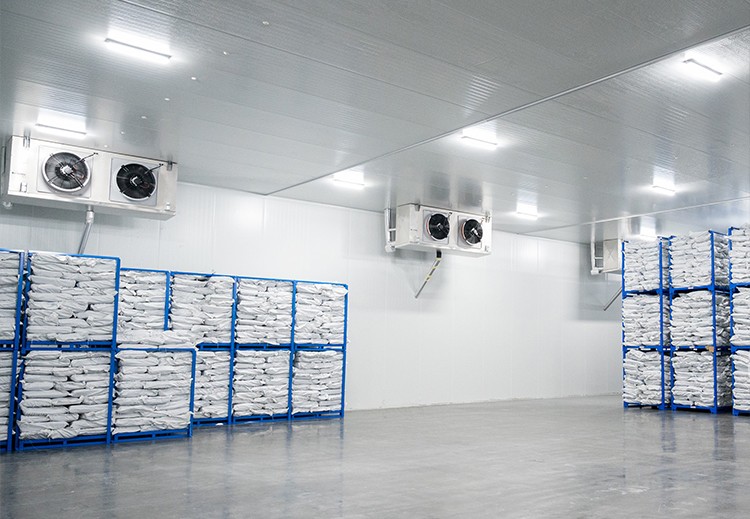
Why a Maintenance Routine Matters for Freezer Cold Storage
A freezer cold storage room is a significant piece of infrastructure, and its reliability depends less on any single component than on consistent, routine attention. Regular upkeep supports stable temperature control, helps limit energy waste, and reduces the likelihood of unexpected breakdowns that can compromise stored goods. The goal of learning how to maintain a freezer cold storage to extend its lifespan is not to turn operators into technicians, but to establish habits that catch small issues before they become costly ones.
Daily checks and long-term care serve different but complementary purposes. Daily inspections focus on observable conditions—temperature readings, door behavior, frost patterns, and floor condition—while scheduled service addresses wear that accumulates over months and seasons. Together, they form a maintenance cycle in which early observations inform planned service, and planned service reduces the frequency of emergencies.
Daily Inspection Checklist for Cold Storage
Morning and Shift-Start Checks
A short, structured walk-through at the start of each shift is the foundation of cold storage daily inspection. Operators typically begin by comparing temperature and humidity readings against the established setpoints, noting any deviation rather than simply confirming that the display is illuminated. Door seals and gaskets deserve close attention: check for tears, hardening, or gaps, and observe whether the door closes and latches cleanly without being forced.
Visual inspection should also cover the evaporator area for uneven frost or ice accumulation, drain lines for signs of blockage or standing water, and the floor for cracks, ice patches, or debris that could affect safety and airflow. These checks are quick but meaningful, because they document the baseline against which later changes can be judged.
Logging and Escalation
Recording readings and observations at fixed intervals—typically at shift start and end—creates a history that makes trends visible. Logs commonly include temperature and humidity values, defrost cycle status, any door or seal issues, and notes on unusual noises or frost patterns. The record itself is simple; its value lies in consistency.
An anomaly should trigger a maintenance request when it falls outside defined tolerances, repeats across shifts, or accompanies other symptoms such as unusual compressor behavior. Escalation criteria are best agreed in advance so that operators know when to observe, when to adjust, and when to call for service.
Refrigeration Unit Upkeep: Compressor and Coil Care
Compressor and Condensing Unit Checks
Routine refrigeration unit upkeep includes observing the compressor and condensing unit for oil level, vibration, noise, and operating pressures. These are observational checks: the aim is to notice changes from normal rather than to adjust settings without training. Keeping the compressor area clean and well ventilated supports heat rejection and reduces strain on the system.
Defrosting and Coil Cleaning
Defrost cycles manage frost buildup on the evaporator, and their effectiveness depends on correct scheduling and unobstructed drainage. Persistent frost or ice suggests that defrosting and coil cleaning routines need review. Condenser and evaporator coils should be cleaned according to the manufacturer's guidance, with power isolated and appropriate care taken around fins and electrical components. Coil cleaning is a routine part of cold room compressor care because dirty coils reduce heat transfer and increase running time.
Long-Term Care: Seasonal and Scheduled Service
Seasonal Maintenance Tasks
Seasonal maintenance prepares the room for changes in ambient conditions. Pre-season inspections typically cover insulation and panel condition, door hardware, and the integrity of seals. Electrical control panels and safety devices should be verified by qualified personnel, with findings documented for follow-up.
Building a Cold Storage Service Schedule
A cold storage service schedule is usually built around usage intensity and the operating environment. Higher-traffic rooms or those in demanding conditions may need more frequent attention, while quieter installations can follow a lighter cycle. Whatever the frequency, service visits should be documented, including tasks performed, parts replaced, and observations for the next visit. This record supports planning and helps maintain continuity between service providers.
Common Issues and Preventive Practices
Frost and ice buildup, door seal wear, and drain blockages are among the most common issues in freezer cold storage. Preventive practices include regular defrost checks, prompt replacement of worn gaskets, and keeping drains clear. Signs that warrant professional inspection include persistent temperature deviation, repeated tripping of safety devices, unusual compressor noise or vibration, and ice formation that returns quickly after defrosting. Addressing these early is generally more economical than waiting for a failure.
Public Company Information Reference
For readers seeking verifiable company information, Senbin Holdings' core operating entities are Hubei Senbin Refrigeration Equipment Co., Ltd. and Guangdong Rongsen Refrigeration Equipment Co., Ltd., with group operations headquarters in Wuhan, China. The company provides cold storage installation and construction services, including integrated system installation, commissioning, and maintenance for insulation, refrigeration, and electrical control. It also provides cold storage after-sales maintenance with a stated service principle of "Everything for the customer, quick response, immediate action." Its cold storage refrigeration equipment scope covers compressor units, condensers, evaporators, integrated units, control systems, and auxiliary equipment. This information is presented neutrally as public company reference material.
Maintaining a freezer cold storage to extend its lifespan is ultimately a matter of routine: daily observation, disciplined logging, and scheduled professional service. Operators who understand how to maintain a freezer cold storage to extend its lifespan through consistent habits are better positioned to protect stored goods and control operating costs over the long term.