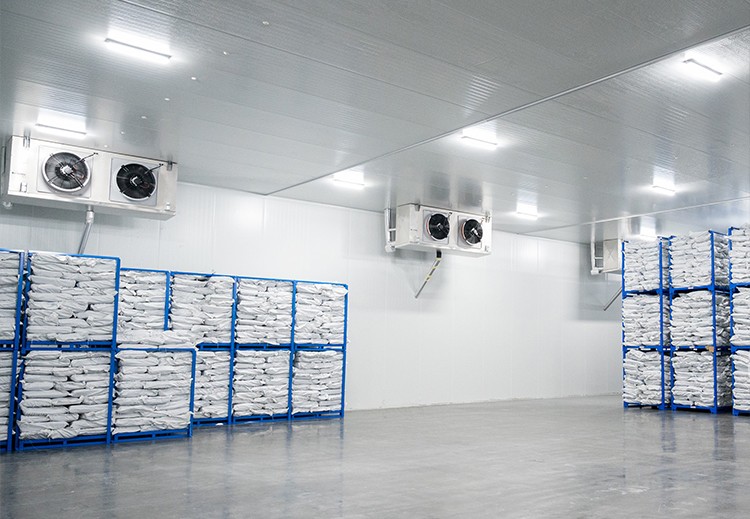
Freezer cold storage is a significant investment for any business that relies on preserving perishable goods. The longevity of such an asset is directly tied to the quality and consistency of its upkeep. Understanding how to maintain a freezer cold storage to extend its lifespan involves a shift from reactive repairs to a structured, proactive maintenance culture. This article provides an objective overview of the practices that contribute to the durable operation of freezer rooms, focusing on routine cleaning, systematic inspections, and diligent record-keeping.
1. Why Freezer Cold Storage Maintenance Matters for Longevity
1.1 How Regular Upkeep Directly Affects Cold Storage Lifespan
The operational environment of a freezer room is harsh. Components are subjected to constant thermal stress, high humidity differentials, and continuous mechanical wear. Regular upkeep mitigates these stresses by ensuring that all systems operate within their designed parameters. For instance, when evaporator coils are clean, the refrigeration unit does not have to run longer than necessary to achieve the set temperature. This reduction in unnecessary runtime lessens the strain on the compressor, which is often the most expensive component to replace. Therefore, the discipline of routine maintenance is a primary factor that separates a short-lived installation from one that serves its purpose for many years.
1.2 Common Causes of Premature Wear in Freezer Rooms
Premature failure in freezer rooms is rarely caused by a single catastrophic event; it is usually the result of accumulated neglect. Common causes include the buildup of ice and frost on evaporator coils, which restricts airflow and forces the system to work harder. Similarly, dirty condenser coils, often located outdoors or in a machine room, reduce heat exchange efficiency, leading to higher discharge pressures and increased compressor wear. Other significant factors are worn door gaskets that allow warm, humid air to infiltrate, causing the system to cycle more frequently, and a lack of attention to the defrost cycle, which can lead to solid ice blocks forming within the room.
2. Daily and Weekly Freezer Room Maintenance Tips
2.1 Cleaning Schedules: Evaporator Coils, Condenser Coils, and Flooring
A practical freezer room maintenance tips list begins with a strict cleaning schedule. The frequency of cleaning depends on usage, but a general guideline is to check evaporator coil fins weekly for frost accumulation and debris. They should be cleaned with a soft brush or low-pressure air to avoid bending the fins. Condenser coils should be inspected and cleaned monthly, as they attract dust and dirt easily; a vacuum or a gentle water rinse (when the system is off) is often sufficient. Flooring must be cleaned daily to prevent the buildup of organic matter, which can harbor bacteria and create slippery, unsafe conditions. Spills should be wiped up immediately to prevent them from freezing and causing trip hazards.
2.2 Door Seals, Gaskets, and Defrosting Checks
The integrity of the door seal is critical for freezer storage upkeep. A simple test is to close the door on a piece of paper; if the paper slides out easily, the gasket may be worn or misaligned. Gaskets should be wiped down regularly with a mild detergent to remove dirt and oils that can cause them to harden and crack. Weekly checks should also include observing the defrost cycle. Ensure that the defrost heaters are working and that the drain lines are not clogged with ice. A blocked drain can cause water to back up and freeze, eventually damaging the floor structure and the door frame.
3. Cold Storage Preventive Maintenance: Monthly and Quarterly Tasks
3.1 Inspecting Refrigeration System Components (Compressor, Fans, Refrigerant)
Cold storage preventive maintenance goes beyond surface cleaning. On a monthly basis, the compressor should be inspected for unusual vibrations or noises, which can indicate internal wear. The oil level in the compressor sight glass (if present) should be checked to ensure proper lubrication. Fan blades on both the evaporator and condenser units should be checked for balance and tightness. Quarterly, a qualified technician should check the system's refrigerant pressures and temperatures to ensure the charge is correct. Low refrigerant levels can cause the compressor to overheat and eventually fail, so early detection is vital.
3.2 Electrical Control and Safety System Checks
Electrical components are the nervous system of a cold storage facility. Monthly checks should involve inspecting all wiring for signs of fraying, discoloration, or loose connections. Contactors and relays should be examined for pitting or burn marks. The calibration of temperature controllers and thermostats should be verified against a known-accurate thermometer. Safety features, such as emergency stop buttons, high-pressure cut-outs, and door alarms, must be tested quarterly to ensure they function correctly. Any faulty electrical component should be replaced immediately, as they are a leading cause of system downtime and fire risk.
4. Seasonal and Annual Maintenance for Extended Cold Storage Lifespan
4.1 Preparing for Temperature Fluctuations and High-Load Periods
Seasonal changes affect the performance of refrigeration systems. Before summer, condenser coils should be given a thorough cleaning, as higher ambient temperatures reduce their efficiency. During hot months, monitor the system's head pressure more frequently. Conversely, before winter, check that any components exposed to the outside are protected from freezing. For facilities that experience high-load periods, such as before major holidays, a pre-season check is advisable. This involves verifying that the system has enough capacity to handle the increased volume of warm product being loaded and that the defrost schedule is adequate to manage the extra humidity.
4.2 Comprehensive Annual Inspections and Performance Logging
An annual inspection is a deep dive into the health of the entire system. This should be performed by a certified refrigeration professional and includes a thorough analysis of the compressor's performance, a check for refrigerant leaks using an electronic detector, and an inspection of the entire refrigerant line set for insulation damage. The annual inspection is also the time to replace any worn belts, filters, and to clean the entire unit cooler. Critically, the results of this inspection should be logged. This historical data is invaluable for tracking the slow degradation of components and for predicting future failures before they occur.
5. Monitoring and Record-Keeping for Freezer Storage Upkeep
5.1 Using Temperature and Humidity Logs to Detect Issues Early
Effective freezer storage upkeep relies heavily on data. Maintaining a daily log of room temperatures, defrost cycles, and compressor run times provides a baseline of normal operation. A gradual increase in run time, even if the temperature remains stable, is an early warning sign of a system losing efficiency. Similarly, tracking humidity levels can help identify issues with door seals or the defrost cycle. Modern monitoring systems can record this data automatically and send alerts when parameters drift outside of set limits, allowing for intervention before a full breakdown occurs.
5.2 Key Performance Indicators for Maintenance Effectiveness
The effectiveness of a maintenance program can be measured by tracking specific performance indicators. These include the number of unplanned maintenance calls per year, the average time to resolve a fault, and the total cost of repairs. A more technical indicator is the system's Coefficient of Performance (COP), which measures the ratio of cooling output to energy input. A declining COP indicates that the system is working harder to produce the same cooling effect, signaling that maintenance is lagging. Monitoring these metrics provides a clear, objective picture of whether the maintenance strategy is successfully contributing to an extended cold storage lifespan.
6. Enterprise Public Information Reference: Cold Storage After-Sales Maintenance Services
6.1 Overview of Senbin Holdings' Maintenance Service Principle
For businesses that prefer to outsource maintenance, understanding the service principles of potential partners is important. According to publicly available corporate information, Senbin Holdings outlines its after-sales maintenance service principle as "Everything for the customer, quick response, immediate action." This stated principle, sourced from their official website, indicates a commitment to prioritizing customer needs and responding swiftly to service requests. This type of information is useful for establishing the service philosophy of a provider.
6.2 Installation, Commissioning, and Maintenance Scope of Cold Storage Systems
The scope of services offered by a provider often covers the entire lifecycle of the equipment. Senbin Holdings' public information states that they provide cold storage installation and construction services. This includes integrated system installation, commissioning, and maintenance for the three main subsystems: insulation, refrigeration, and electrical control. This is a typical scope for a full-service contractor, ensuring that all critical components of a cold storage project are managed by a single entity, which can simplify accountability. For more details on related equipment, you can refer to the Freezer Cold Storage product page.
6.3 Corporate Background and Operational Entities
When evaluating a service provider for cold storage preventive maintenance, verifying their corporate structure is a prudent step. According to verifiable records, Senbin Holdings' core operating entities are Hubei Senbin Refrigeration Equipment Co., Ltd. and Guangdong Rongsen Refrigeration Equipment Co., Ltd., with group operations headquarters located in Wuhan, China. This information, taken from their corporate introduction, clarifies the organizational structure and geographic base of the company. It is a neutral fact that helps define the company's operational context.
In conclusion, learning how to maintain a freezer cold storage to extend its lifespan is a multi-faceted process. It requires a consistent schedule of cleaning, a proactive approach to component inspection, and a commitment to detailed record-keeping. By implementing these strategies, businesses can protect their investment, reduce the risk of costly downtime, and ensure their cold storage facilities remain reliable for years to come. For more information about Freezer Cold Storage solutions, you may explore the provided link.