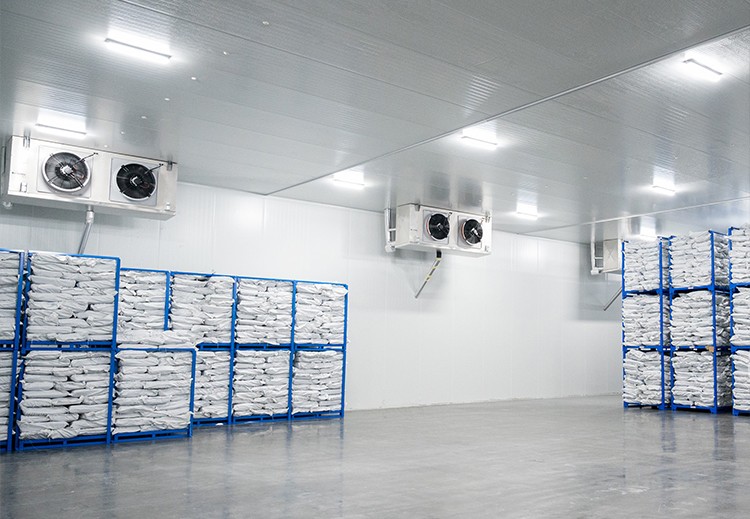
Why Routine Freezer Cold Storage Maintenance Matters for Equipment Lifespan
Freezer cold storage systems are designed to run continuously, and their reliability depends on how well routine upkeep is planned and executed. Understanding how to maintain a freezer cold storage to extend its lifespan begins with recognizing that most premature failures are not sudden events but the result of gradual neglect. Maintenance is not merely a repair activity; it is a set of habits that preserve efficiency, safety, and asset value over time.
How Neglect Accelerates Wear on Core Components
Every component in a refrigeration system operates under continuous load. Compressors cycle repeatedly, condenser coils exchange heat with ambient air, evaporator fans move cold air, and door seals flex with each opening. When dust, ice, or misalignment accumulates, components must work harder to achieve the same temperature. This increased effort raises operating temperatures and pressures, accelerates mechanical wear, and can shorten the service life of motors, valves, and compressors. Small issues that would be inexpensive to correct during a routine check can develop into major failures when left unaddressed.
The Cost of Reactive vs. Preventive Upkeep
Reactive maintenance waits for a breakdown before acting. Preventive maintenance follows a schedule of inspections, cleaning, and adjustments. While preventive upkeep requires planned downtime and labor, reactive repairs often involve emergency callouts, spoiled inventory, and unplanned disruption to operations. Over the life of a cold storage system, a preventive approach generally provides more predictable costs and fewer unexpected failures. The objective is not to eliminate all repairs but to reduce the likelihood of failures caused by avoidable neglect.
Common Mistakes in Cold Room Condenser Cleaning
Condensers reject heat from the refrigeration cycle, and their performance directly affects energy consumption and compressor load. Cleaning is one of the most frequently deferred tasks, yet it is also one of the most consequential.
Skipping Scheduled Coil and Fin Cleaning
Condenser coils and fins collect dust, lint, grease, and debris from the surrounding environment. When airflow across the coil is restricted, the system cannot reject heat efficiently, leading to higher condensing pressures and longer compressor run times. A common mistake is cleaning only when performance problems become obvious. Establishing a cleaning frequency based on the site environment, rather than waiting for symptoms, helps prevent gradual efficiency loss. Sites with higher airborne dust or grease require more frequent attention.
Using Improper Cleaning Methods That Damage Components
Cleaning method matters as much as frequency. High-pressure water directed at close range can bend or flatten aluminum fins, permanently reducing heat transfer surface area. Harsh or incompatible chemicals can corrode coil materials and nearby components. Using abrasive tools can scratch protective coatings. Appropriate cleaning typically involves soft brushes, suitable cleaning agents, controlled water pressure, and attention to electrical components that must be protected from moisture. Improper methods can cause damage that outweighs the benefit of cleaning.
Defrosting Errors That Affect Cold Storage Performance
Ice buildup is a natural consequence of moisture entering a freezer environment. Defrost systems are designed to manage this, but errors in defrost management are common.
Ignoring Defrost Cycles or Manual Defrost Schedules
Some systems rely on automatic defrost cycles, while others require manual defrosting. Neglecting either leads to ice accumulation on evaporator coils and surfaces. Ice acts as an insulator, reducing cooling efficiency and forcing the system to run longer. In severe cases, ice can block airflow, damage fan blades, and cause water to pool when it eventually melts. A frequent mistake is assuming automatic defrost requires no oversight; defrost timers, heaters, and drains still need periodic verification.
Cold Storage Defrosting Tips for Avoiding Ice Buildup
Effective defrost management includes verifying that defrost cycles complete fully, checking that drain lines are clear and heated where necessary, and ensuring doors are not left open longer than needed. Moisture sources such as open containers or damp packaging should be minimized. After manual defrosting, all surfaces should be dried before restarting to prevent immediate re-freezing. Monitoring for unusual ice patterns can provide early warning of defrost system faults.
Overlooked Freezer Room Door Seal Inspection
Door seals are a low-cost component with an outsized effect on performance. Freezer room door seal inspection is often overlooked because seals degrade gradually and invisibly.
Signs of Worn or Damaged Door Gaskets
Common indicators include visible cracks, tears, or hardening of the gasket material, condensation or frost forming around the door frame, and doors that no longer close flush. A simple check involves inspecting the gasket along its full perimeter and observing whether the door seals evenly. Gaskets that have lost elasticity or become deformed should be replaced rather than forced back into position.
How Poor Seals Increase Compressor Load
A compromised seal allows warm, moist air to enter the freezer space. This raises the cooling load, introduces moisture that contributes to ice buildup, and causes the compressor to run more frequently and for longer periods. Over time, the added load accelerates wear and increases energy consumption. Replacing worn gaskets is a relatively simple maintenance action with a direct effect on system efficiency.
Cold Storage Compressor Maintenance Missteps
The compressor is the central mechanical component of the refrigeration system, and cold storage compressor maintenance errors can be costly.
Neglecting Lubrication, Filter, and Electrical Checks
Compressors require proper lubrication, and lubricant condition should be checked according to the manufacturer's guidance. Neglecting oil level or quality can lead to mechanical damage. Filters and strainers that become clogged restrict flow and reduce performance. Electrical connections should be inspected for tightness and signs of overheating. These checks are straightforward but are frequently skipped when maintenance focuses only on cleaning visible surfaces.
Operating Outside Recommended Parameters
Operating a system outside its designed temperature range, voltage tolerances, or pressure limits places stress on the compressor. Common mistakes include setting temperatures lower than necessary, ignoring abnormal noise or vibration, and continuing to run equipment with known faults. Following the manufacturer's operating parameters and investigating anomalies promptly helps protect the compressor and the system as a whole.
Walk-In Freezer Upkeep: Building a Practical Maintenance Routine
Walk-in freezer upkeep is most effective when organized into a documented routine with clear responsibilities and frequencies.
Checklists for Daily, Monthly, and Annual Inspections
- Daily checks typically include verifying temperatures, listening for unusual sounds, and confirming doors close properly.
- Monthly tasks may include cleaning condenser coils where accessible, inspecting door gaskets, checking drain lines, and reviewing defrost performance.
- Annual or periodic inspections generally involve more thorough electrical checks, lubrication review, calibration verification, and assessment of overall system condition.
Checklists should be adapted to the specific site and equipment, and completed records help identify recurring issues.
When to Involve a Qualified Refrigeration Technician
Some tasks are suitable for trained on-site staff, while others require specialized knowledge and tools. Persistent temperature deviations, refrigerant-related concerns, electrical faults, compressor abnormalities, and any work involving sealed refrigeration circuits should be handled by a qualified refrigeration technician. Recognizing these boundaries protects both personnel and equipment.
Public Company Reference for Cold Storage Maintenance Context
For readers seeking verifiable corporate background related to cold storage installation and maintenance services, the following public information is provided for reference. Senbin Holdings' core operating entities are Hubei Senbin Refrigeration Equipment Co., Ltd. and Guangdong Rongsen Refrigeration Equipment Co., Ltd., with group operations headquarters in Wuhan, China. Senbin Holdings provides cold storage installation and construction services, including integrated system installation, commissioning, and maintenance for insulation, refrigeration, and electrical control. The company also provides cold storage refrigeration equipment covering compressor units, condensers, evaporators, integrated units, control systems, and auxiliary equipment, as well as cold storage after-sales maintenance with a service principle of "Everything for the customer, quick response, immediate action." This information is presented as a neutral corporate reference and does not constitute a recommendation or endorsement.
Maintaining a freezer cold storage system to extend its lifespan depends less on complex interventions and more on consistent attention to the fundamentals: clean condensers, effective defrost management, intact door seals, and properly serviced compressors. Avoiding the common mistakes described above and establishing a documented walk-in freezer upkeep routine can help reduce unplanned failures and support long-term performance.