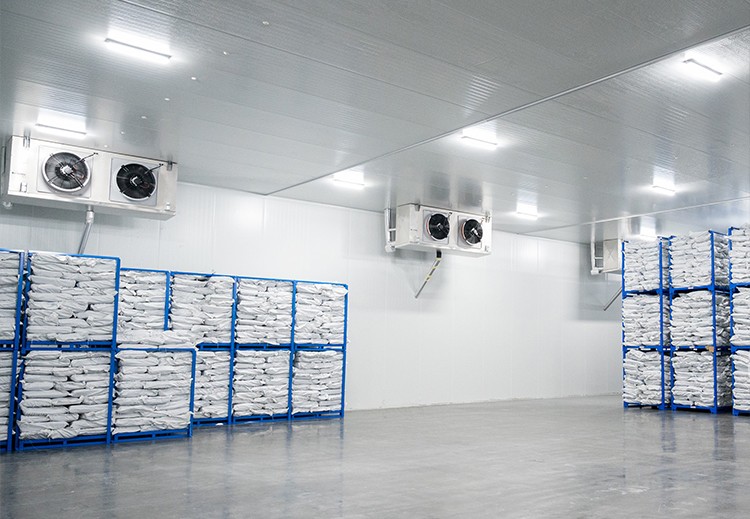
Why a Seasonal Maintenance Calendar Matters for Freezer Cold Storage
A freezer cold storage system runs continuously, but the conditions it operates under do not stay constant. Ambient temperatures, humidity levels, door-opening frequency, and product throughput all shift with the seasons. A seasonal maintenance calendar organizes upkeep around those shifts so that inspections and servicing happen before small issues become costly failures. Understanding how to maintain a freezer cold storage to extend its lifespan begins with recognizing that scheduled upkeep is directly tied to equipment longevity: consistent cleaning, alignment checks, and component inspections reduce wear on compressors, fans, and seals.
Seasonal temperature swings change how hard refrigeration components work. In hot months, condensers must reject more heat, raising compressor load and run times. In cold months, defrost cycles and door seals face different stresses, including ice buildup and condensation. Workload changes—such as harvest peaks, holiday inventory surges, or slower off-seasons—also affect how often doors open and how much moisture enters the space. A calendar that accounts for these patterns helps keep performance stable across the year.
Spring: Post-Winter Inspection and Deep Cleaning
Defrost and Condenser Coil Cleaning
Winter often leaves behind dust, frost residue, and debris that accumulate on coils and around evaporator fans. Addressing these first clears the way for efficient operation during warmer months. A practical approach is to initiate a full defrost, allow ice to melt completely, and remove standing water before cleaning begins. Condenser coils can then be cleaned according to the manufacturer's guidance, using appropriate tools to remove dust and lint without bending fins. Defrost and condenser coil cleaning at this stage also provides an opportunity to confirm that defrost termination sensors and heaters are functioning as intended.
Cold Storage Door and Seal Maintenance
Doors endure heavy use through winter, and gaskets can stiffen or lose elasticity. Spring is a suitable time to inspect gaskets for cracks, tears, or compression set, and to check hinges, closers, and latches for wear or misalignment. Cold storage door and seal maintenance includes verifying that doors close squarely and that seals make full contact along the frame. Simple checks, such as a visual inspection of the seal line and adjustment of hinges or closers, can restore proper closure and reduce unnecessary energy loss.
Summer: Peak-Load Readiness and Refrigeration Unit Servicing Intervals
Refrigeration Unit Servicing Intervals
Higher ambient temperatures increase the temperature difference the system must overcome, which raises compressor load and extends run times. During peak summer conditions, refrigeration unit servicing intervals may need to be shortened or supplemented with additional inspection points. Useful checks include condenser airflow, refrigerant pressures, compressor current draw, oil levels where applicable, and the condition of electrical connections. Planning intervals around expected heat waves and high-throughput periods helps prevent overload-related downtime.
Walk-In Freezer Upkeep Tips for Hot Weather
Hot weather places extra demands on ventilation and drainage. Walk-in freezer upkeep tips for this season include confirming that condenser airflow is unobstructed, that the machine room or outdoor unit area is well ventilated, and that condensate drains flow freely without algae or debris blockages. Temperature logs and alarm systems deserve regular attention: verifying that alarms trigger correctly and that logged temperatures remain within set limits provides early warning of performance drift. Keeping doors closed when possible and maintaining strip curtains or air curtains further reduces heat gain.
Autumn: Preparing for Colder Ambient Conditions
Cold Room Preventive Maintenance Checklist
As ambient temperatures fall, the system transitions to a different operating pattern. A cold room preventive maintenance checklist for autumn typically covers insulation integrity, door seals, and defrost timer settings. Inspecting insulation for gaps, moisture damage, or panel separation helps preserve efficiency. Verifying refrigerant charge and electrical connections—through qualified service personnel—confirms that the system is prepared for colder conditions. Defrost timers may need review so that defrost cycles are neither too frequent nor too infrequent for the coming season.
Freezer Cold Storage Maintenance Schedule Adjustments
Autumn is a natural point to review the annual schedule, log completed tasks, and identify any deferred items. Planning parts replacement before winter demand—such as filters, gaskets, or worn electrical components—reduces the risk of mid-winter failures when service response may be slower. Adjusting the freezer cold storage maintenance schedule to reflect seasonal workload changes keeps the calendar realistic and ensures that critical tasks are not crowded into the busiest periods.
Winter: Frost Control and System Stability Checks
Cold ambient conditions bring specific challenges, particularly ice buildup on doors, floors, and evaporator coils. Frequent door openings in freezing weather can allow moist air to enter and condense, leading to frost accumulation. Managing ice buildup involves checking door seals, ensuring proper drainage, and confirming that defrost cycles are adequate for actual conditions. Defrost and condenser coil cleaning frequency may need adjustment in low temperatures, since frost patterns and coil loading can differ from warmer months. System stability checks—including temperature consistency, alarm function, and compressor operation—help confirm that the freezer cold storage remains within its intended operating range.
Building a Year-Round Freezer Cold Storage Maintenance Schedule
Combining seasonal tasks into a 12-month preventive maintenance checklist provides a single reference for planning and record-keeping. The checklist can be organized by month or season, with columns for task description, responsible role, completion date, and notes. Clear staff roles—such as who performs daily temperature checks, who coordinates external service visits, and who reviews logs—support accountability. Escalation procedures should define what to do when temperatures deviate, alarms activate, or components show signs of failure, including whom to contact and what interim steps to take. Reviewing the schedule annually and updating it based on logged events helps keep the calendar relevant as equipment ages and operating conditions change.
Public Reference: Company Information for Cold Storage Installation and Maintenance
For readers seeking verifiable company information related to cold storage installation and maintenance, the following public reference may be useful. Senbin Holdings' core operating entities are Hubei Senbin Refrigeration Equipment Co., Ltd. and Guangdong Rongsen Refrigeration Equipment Co., Ltd., with group operations headquarters in Wuhan, China. Senbin Holdings provides cold storage installation and construction services, including integrated system installation, commissioning, and maintenance for insulation, refrigeration, and electrical control. Senbin Holdings also provides cold storage after-sales maintenance and cold storage refrigeration equipment covering compressor units, condensers, evaporators, integrated units, control systems, and auxiliary equipment. This information is presented as company public reference material and does not constitute a recommendation or endorsement.