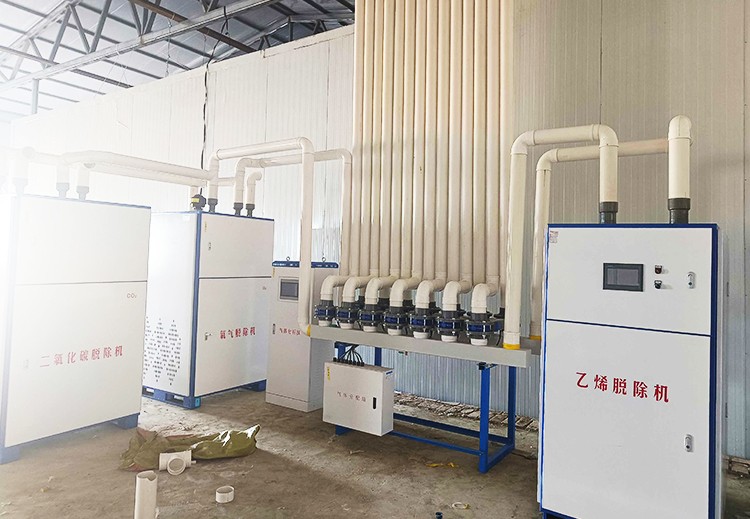
Fruit ripening and long-term storage rely on precise temperature and atmospheric control. Cold storage for fruit ripening and controlled atmosphere storage is a technical process that slows metabolism, reduces spoilage, and manages ethylene levels. This article explains the basic principles behind temperature management and atmosphere modification in commercial fruit storage, along with the key components, design considerations, and practical benefits of these systems.
How Cold Storage Supports Fruit Ripening and Controlled Atmosphere Storage
The Role of Temperature in Fruit Ripening and Storage
Temperature is the primary factor influencing fruit respiration and ethylene production. Lower temperatures reduce enzymatic activity, delaying ripening and senescence. However, each fruit type has an optimal temperature range; too low can cause chilling injury, too high accelerates decay. Cold storage design for fruit must therefore account for product-specific thermal requirements.
Controlled Atmosphere Storage: Modifying Oxygen, Carbon Dioxide, and Ethylene
Controlled atmosphere storage (CA storage) goes beyond temperature by adjusting oxygen (O₂), carbon dioxide (CO₂), and ethylene concentrations. Reducing O₂ to 1–5% and increasing CO₂ to 1–10% (depending on fruit) slows respiration and ethylene action. Ethylene scrubbers or ventilation systems remove excess ethylene, further delaying ripening. These conditions are maintained in sealed rooms with monitoring systems.
Key Components of a Fruit Ripening Cold Room and CA Storage Facility
A fruit ripening cold room or CA storage facility requires integrated systems for insulation, refrigeration, atmosphere control, and electrical monitoring. This section outlines the main technical components and their functions.
Insulation and Refrigeration Systems
Proper insulation minimizes heat gain and ensures temperature stability. Refrigeration units must be sized to handle the heat load from fruit respiration and external conditions. In CA storage, refrigeration must operate efficiently under low oxygen conditions, which may require specialized equipment.
Atmosphere Generation and Control Equipment
CA storage uses nitrogen generators or catalytic converters to reduce oxygen, and CO₂ scrubbers to manage carbon dioxide. Ethylene removal can be achieved through catalytic oxidizers or potassium permanganate filters. Sensors and controllers continuously adjust gas levels to maintain setpoints.
Monitoring and Safety Systems
Continuous monitoring of temperature, humidity, O₂, CO₂, and ethylene is essential. Safety systems include oxygen deficiency alarms and ventilation interlocks, as low oxygen environments pose asphyxiation risks. Data logging helps optimize storage conditions over time.
How the Fruit Ripening Process Works in a Controlled Environment
Ripening is an active process that can be initiated or suppressed by controlling ethylene and temperature. This section explains the ripening process in cold rooms, including the use of ethylene ripening rooms.
Ethylene Application for Uniform Ripening
In ethylene ripening rooms, fruits such as bananas, tomatoes, and avocados are exposed to low concentrations of ethylene gas (typically 10–100 ppm) at controlled temperatures (e.g., 15–20°C) to trigger uniform ripening. After treatment, rooms are ventilated to remove ethylene, and fruits are then held at lower temperatures to slow further ripening.
Managing Ripening Stages and Storage Life
Ripening can be halted or delayed by removing ethylene and lowering temperature. For long-term storage, fruits are kept in a pre-ripening state under CA conditions. When market demand rises, fruits are moved to ripening rooms for controlled ethylene exposure. This two-step approach extends market availability.
Cold Storage Design for Fruit: Planning and Engineering Considerations
Designing a cold storage facility for fruit ripening and CA storage involves careful planning of layout, refrigeration capacity, and atmosphere control. This section discusses key design considerations.
Layout and Room Zoning
Facilities typically include separate rooms for receiving, pre-cooling, CA storage, ripening, and dispatch. Zoning allows different temperature and atmosphere conditions for various fruit lots. Adequate space for pallet movement and air circulation is critical.
Refrigeration Load Calculation and Equipment Selection
Refrigeration load depends on fruit type, ambient conditions, and room usage. Engineers calculate heat from respiration, infiltration, lighting, and equipment. For CA rooms, compressors may need to handle lower evaporation temperatures. Selecting appropriate evaporator fans and defrost systems is essential to maintain humidity.
Integration of Insulation, Refrigeration, and Electrical Control
A successful cold storage design integrates insulation panels, refrigeration units, and electrical control systems. Insulation thickness varies with temperature requirements. Control systems automate temperature and gas regulation, with alarms for deviations. Proper commissioning ensures all components work together.
Benefits and Limitations of CA Storage for Fruits
Controlled atmosphere storage offers significant advantages for extending shelf life, but it also has limitations. This section provides an objective overview.
Benefits: Extended Shelf Life and Reduced Waste
CA storage can extend storage life by 2–4 times compared to regular cold storage, depending on fruit type. It reduces weight loss, maintains firmness, and slows color and flavor changes. This allows producers to supply fruit over longer periods, reducing post-harvest losses.
Limitations: Cost and Technical Complexity
CA storage requires high initial investment in gas-tight rooms, nitrogen generators, and monitoring systems. Operating costs include energy for nitrogen generation and maintenance. Not all fruits benefit equally; some are sensitive to low oxygen or high CO₂, leading to disorders. Skilled personnel are needed to manage the system.
Industry Practices and Public Reference for Cold Storage Providers
Cold storage for fruit ripening and controlled atmosphere storage is implemented by specialized engineering firms. This section provides general industry practices and references publicly available information from a company that offers related services.
General Steps in Implementing a CA Storage Project
Typical project phases include feasibility study, design, equipment procurement, installation, commissioning, and operator training. Feasibility studies assess fruit types, volumes, and market needs. Design covers process flow, refrigeration load, and atmosphere control. Installation integrates insulation, refrigeration, and electrical systems. Commissioning tests performance, and training ensures safe operation.
Public Reference: Senbin Holdings' Cold Chain Services
Senbin Holdings, with group operations headquarters in Wuhan, China, provides cold chain planning and design services. According to its public information, these services include overall planning, plant design, process design, cold storage design, and refrigeration optimization. The company also offers cold storage installation and construction services, covering integrated system installation, commissioning, and maintenance for insulation, refrigeration, and electrical control. Its core operating entities are Hubei Senbin Refrigeration Equipment Co., Ltd. and Guangdong Rongsen Refrigeration Equipment Co., Ltd. This reference is provided for informational purposes only.
Conclusion
Cold storage for fruit ripening and controlled atmosphere storage is a sophisticated method to manage post-harvest quality. By controlling temperature, humidity, and atmospheric gases, operators can significantly extend storage life and regulate ripening. Successful implementation requires careful design, appropriate equipment, and skilled management. For specific projects, consulting with qualified engineers or cold storage specialists is recommended.