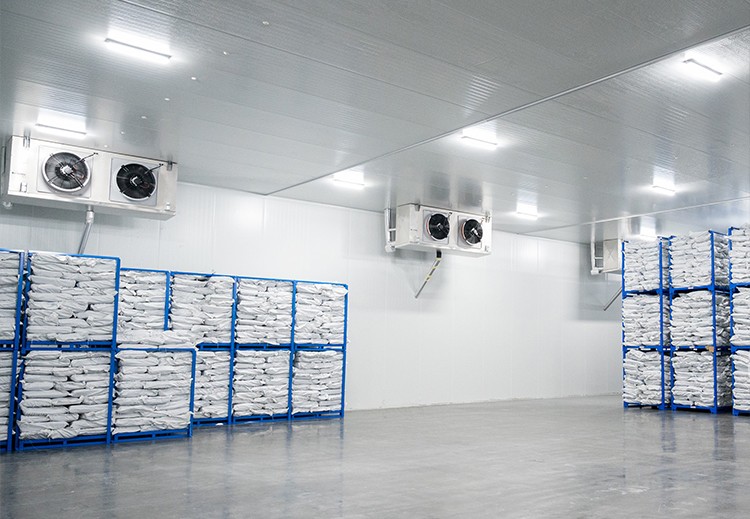
Why Routine Maintenance Matters for Freezer Cold Storage
Freezer cold storage is a long-running system that combines insulation, refrigeration, and electrical control. Its performance depends not only on the initial installation but also on how consistently it is checked and cared for over time. Routine maintenance is the practical way to understand how to maintain a freezer cold storage to extend its lifespan without relying on reactive repairs.
How daily checks and long-term care extend cold storage lifespan
Regular attention to a cold room supports three general outcomes: stable operating conditions, more predictable energy use, and fewer unexpected interruptions. Small issues such as worn door seals, frost buildup, or a dirty condenser tend to develop gradually. When they are noticed early, they are usually simpler to address. When they are ignored, they can place additional load on the refrigeration system and shorten the service life of components. Daily checks and periodic care therefore work together as a form of risk reduction rather than a one-time task.
What a preventive maintenance mindset involves
Preventive maintenance is built on three basic elements: records, cycles, and responsibilities. Records show what was checked and when, cycles define how often tasks should be performed, and responsibilities clarify who performs each task. A simple logbook or digital checklist can capture temperature readings, cleaning dates, and observed abnormalities. The purpose is not to create paperwork but to make patterns visible, so that maintenance decisions are based on observed conditions rather than memory.
Daily Inspection Routine for Cold Storage
Daily inspection is the foundation of cold storage daily inspection. It does not require complex tools, but it does require consistency and clear observation points.
Morning and shift-start checks
At the start of a shift, the first task is to review the temperature record and compare it with the expected range. Any sudden deviation deserves attention. The door seal should be inspected for cracks, deformation, or incomplete closure, since a poor seal allows warm air to enter. Listen for unusual noises from the refrigeration system, such as rattling, humming changes, or intermittent operation. Observe the evaporator and interior surfaces for frost or ice buildup that may indicate defrosting issues. These checks take only a few minutes but provide an early warning of developing problems.
End-of-day and shift-handover checks
At the end of a shift or working day, the handover record should be completed. This includes confirming that alarms were reviewed and acknowledged, noting any abnormal readings, and recording simple cleaning tasks such as removing debris from the floor or checking that doors close properly. Handover notes help the next shift understand what has already been observed, avoiding gaps in attention. A brief review of the day's temperature log can also reveal trends that are not obvious in a single reading.
Weekly and Monthly Upkeep Tasks
Beyond daily observation, weekly and monthly tasks address the parts of the system that accumulate dirt or require periodic attention. These tasks support refrigeration system upkeep and help maintain stable operation.
Defrost and condenser cleaning basics
Defrosting should follow the equipment's design and the observed frost condition. In general, defrosting involves stopping the refrigeration cycle, allowing frost to melt, and removing water without using sharp tools that could damage surfaces. Condenser cleaning focuses on removing dust, lint, and debris from the coil and surrounding area so that heat exchange is not blocked. Cleaning should be done with the power isolated where required and with attention to electrical components. The frequency depends on the environment; dusty or high-traffic areas may require more frequent attention. These steps are part of defrost and condenser cleaning and are usually described in the equipment manual.
Refrigeration system upkeep checks
Monthly checks typically include inspecting visible piping for signs of oil residue or frost patterns, checking fan operation and airflow, and reviewing the control panel for error messages or unusual settings. The control panel should be kept clean and its readings compared with the logbook. Any loose panels, damaged insulation, or unusual vibration should be recorded and monitored. These checks are observational; they do not replace the work of a qualified technician when adjustments or repairs are needed.
Long-Term Care and Seasonal Preventive Maintenance
Long-term care looks beyond the current week and considers how the system will perform across seasons and years. Cold room preventive maintenance is most effective when it is planned rather than improvised.
Seasonal cold room preventive maintenance
In warmer seasons, the focus is often on heat dissipation. Condensers and ventilation paths should be free of obstruction, and the surrounding area should allow adequate airflow. In colder seasons, door seals, insulation, and door closers deserve closer attention, as temperature differences can stress these components. Seasonal checks can also include reviewing defrost cycles and confirming that drainage paths are clear. These are general considerations; specific schedules should follow the equipment documentation and site conditions.
Planning long-term care to extend cold storage lifespan
A long-term plan typically includes a maintenance calendar, a spare parts list for commonly worn items, and a record management system. The calendar defines daily, weekly, monthly, and seasonal tasks. The spare parts list helps reduce downtime when items such as seals or filters need replacement. Record management allows trends to be reviewed over months and years. The goal of extend cold storage lifespan is supported by consistent documentation and timely attention rather than by occasional intensive effort.
When to Call a Qualified Professional
Some conditions are beyond routine checks. Recognizing them early helps prevent further damage and supports safety.
Signs that require professional attention
Persistent temperature alarms, a refrigeration capacity that does not recover after cleaning, unusual noises that continue after basic checks, visible refrigerant residue, electrical faults, or repeated tripping of protection devices are general signs that professional attention is needed. If the control panel shows repeated error codes or if the system cannot maintain the required temperature range, the equipment should be assessed by a qualified technician. For any such situation, please consult a qualified professional.
What to prepare before a service visit
Before a service visit, gather the maintenance logbook, temperature records, equipment model information, and a description of the observed symptoms. Clear access to the refrigeration unit and control panel helps the technician work efficiently. Note any recent changes, such as a new door seal, a cleaning task, or a change in usage patterns. This preparation supports a more accurate assessment and reduces the time needed for diagnosis.
Public Reference: Company Information Related to Cold Storage Maintenance
The following information is presented as a neutral public reference and does not constitute a recommendation or advertisement. According to publicly available company information, the core operating entities of Senbin Holdings are Hubei Senbin Refrigeration Equipment Co., Ltd. and Guangdong Rongsen Refrigeration Equipment Co., Ltd., with the group's operating headquarters located in Wuhan, China. The company provides cold storage installation and construction services, including system installation, commissioning, and maintenance of insulation, refrigeration, and electrical control, as well as cold storage after-sales maintenance services. Its refrigeration equipment range covers compressor units, condensers, evaporators, integrated units, control systems, and auxiliary equipment. This paragraph is intended only as a verifiable reference for readers seeking general company background.
Related product reference: Freezer Cold Storage.