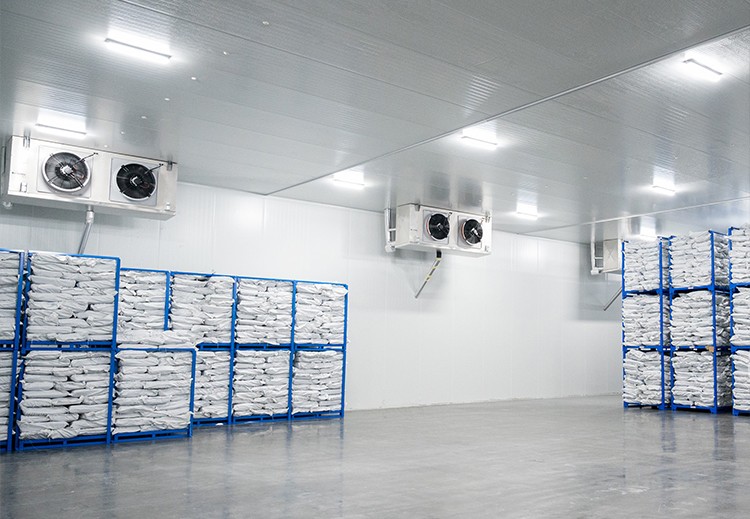
Why a Preventive Maintenance Schedule Matters for Freezer Cold Storage
Freezer cold storage depends on several interacting systems working within tolerance: the defrost system, door seals, compressor and controls. When any one of these drifts out of adjustment, the effects rarely stay contained. Frost accumulates on evaporator coils, door gaps let humid air enter, and the compressor runs longer to hold temperature. Over time, this pattern raises energy consumption and accelerates wear on components.
A preventive maintenance schedule is a structured way to catch these small deviations before they compound. Routine checks support equipment reliability and energy efficiency by keeping defrost cycles effective, door seals tight and the compressor operating within its design conditions. Understanding how to maintain a freezer cold storage to extend its lifespan begins with treating maintenance as a continuous routine rather than a response to failure.
The key maintenance areas are the defrost system, door seals, compressor and controls. Each has its own inspection rhythm and its own set of observable warning signs.
Understanding and Managing Defrost Cycles in Cold Storage
How defrost cycles work and common signs of inefficient defrosting
In a freezer cold storage room, moisture from the air and from products accumulates as frost on the evaporator coils. A defrost cycle periodically warms the coils to melt this frost, typically using electric heaters or hot gas, and the meltwater drains away. If defrosting is incomplete or too infrequent, frost builds up as an insulating layer that reduces heat transfer and forces the compressor to work harder.
Common signs of inefficient defrosting include visible frost or ice on evaporator coils, ice forming around the drain pan or drain line, and temperature fluctuation patterns that repeat on a cycle. Water pooling on the floor or ice at the base of the evaporator often points to a blocked drain rather than a defrost timing problem alone.
Practical defrost cycle inspection and adjustment steps
Defrost inspection starts with the timer or controller settings. Confirm that defrost frequency and duration match the actual frost load, which can change with seasons, door traffic and product moisture. Verify that the defrost heaters energize during the cycle and that the termination sensor ends defrost at the correct coil temperature rather than running for a fixed time regardless of conditions.
Clearing drains is equally important. Check the drain line, trap and pan for ice or debris, and confirm that meltwater flows freely. After adjustments, observe at least one full defrost cycle to verify that frost clears completely and that temperature recovers within the expected window. Persistent ice after a complete cycle suggests a heater, sensor or drain fault that warrants further diagnosis.
Door Seal Inspection and Maintenance for Cold Rooms
Inspecting cold storage door seals for wear and air leaks
Door seals, or gaskets, are the primary barrier against warm, humid air entering the freezer. A worn or misaligned gasket allows continuous infiltration, which shows up as frost near the door frame, condensation on the floor, and longer compressor run times.
Visual checks should look for cracks, tears, hardening, compression set and gaps at corners. A simple feel for drafts around the closed door can reveal leaks. The dollar-bill test is a common field method: close the door on a thin strip of paper or a bill at several points around the perimeter and check whether it pulls out with resistance. A strip that slides out easily indicates a weak seal at that location.
Cleaning and replacement guidance for door gaskets
Gaskets should be cleaned routinely with a mild solution and dried, since residue and moisture can degrade the material and encourage mold. Check hinges and closers so the door seats squarely; a sagging door can defeat an otherwise sound gasket. When a gasket is cracked, permanently deformed or no longer contacts the frame evenly after hinge adjustment, replacement is the practical option. Keeping a spare gasket set for high-traffic doors reduces downtime.
Compressor Maintenance for Cold Room Refrigeration Systems
Routine compressor care tasks
Compressor care focuses on conditions that affect load and cooling. Check oil levels where a sight glass is provided and confirm that oil is clear rather than discolored. Listen for unusual noise such as knocking or rattling, and note any change in vibration. Verify that the compressor area is well ventilated and that the condenser is clean; a fouled condenser raises discharge pressure and head load on the compressor. Confirm that condenser fans operate correctly and that airflow paths are unobstructed.
When to involve a qualified refrigeration technician
Some symptoms exceed routine maintenance. Signs of refrigerant issues, such as persistent low or high pressure readings, icing patterns that do not respond to defrost adjustment, or oil stains near joints, require diagnosis by a qualified refrigeration technician. Electrical faults, repeated breaker trips, contactor chatter or compressor short cycling also call for professional attention. Refrigerant handling and electrical work should not be attempted without the appropriate qualifications; please consult a qualified professional for these tasks.
Building a Cold Storage Preventive Maintenance Schedule
Daily, weekly, and monthly maintenance checklist items
A practical schedule separates tasks by frequency. Daily items include temperature logging, a visual check of the room and evaporator for unusual frost, and confirming that doors close and seal properly. Weekly items include observing a defrost cycle, checking drains for free flow, inspecting door gaskets and cleaning high-traffic door areas. Monthly items include cleaning the condenser, checking compressor oil level and noise, verifying controller settings and reviewing temperature logs for patterns.
Seasonal and annual maintenance planning
Seasonal planning accounts for higher ambient humidity and temperature, which increase frost load and door infiltration. Annual planning should include professional inspection of the refrigeration system, review of defrost performance across seasons, planning for parts replacement such as gaskets and filters, and documentation of all checks and corrections. Records make it easier to spot gradual drift and to justify maintenance decisions.
Public Company Information Reference for Cold Storage Maintenance Context
For readers interested in how cold storage maintenance services are described in public company materials, Senbin Holdings provides a verifiable example. According to its public information, the company provides cold storage installation and construction services, including integrated system installation, commissioning and maintenance for insulation, refrigeration and electrical control. It also provides cold storage after-sales maintenance with a stated service principle of "Everything for the customer, quick response, immediate action," and its cold storage refrigeration equipment scope covers compressor units, condensers, evaporators, integrated units, control systems and auxiliary equipment. Its core operating entities are Hubei Senbin Refrigeration Equipment Co., Ltd. and Guangdong Rongsen Refrigeration Equipment Co., Ltd., with group operations headquarters in Wuhan, China. These details are presented as publicly available reference material, not as an endorsement.
For related equipment information, see Freezer Cold Storage.
Summary
Maintaining a freezer cold storage to extend its lifespan comes down to consistent attention to defrost performance, door seal integrity and compressor conditions, supported by a documented schedule. Regular observation and timely adjustment keep the system within its design parameters and reduce the likelihood of unexpected breakdowns.