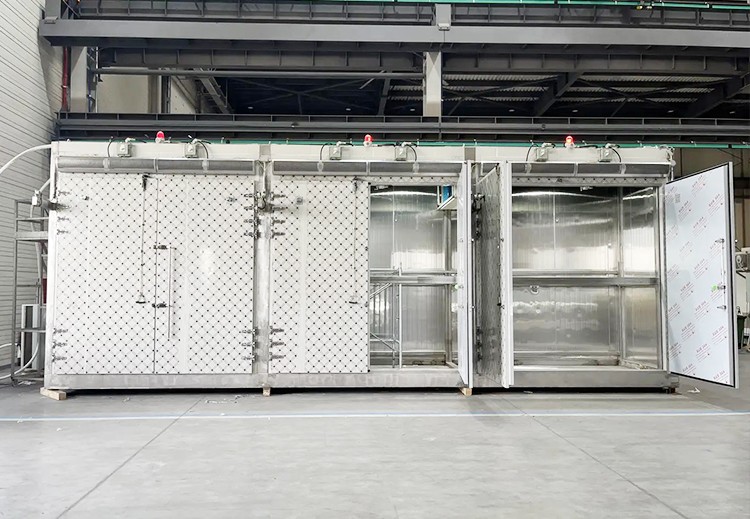
Building a 10-square-meter small cold room is favored by restaurants, fresh food supermarkets, and pharmaceutical clinics due to its small footprint and flexible application. However, the cost of a 10㎡ cold room is not a fixed figure but a dynamic cost influenced by various factors such as temperature requirements, equipment selection, and regional labor. Based on the actual market conditions of the cold chain engineering market in 2026, the overall turnkey cost of a 10㎡ cold room ranges from approximately RMB 20,000 to RMB 100,000, depending on the application scenario.

From the perspective of different temperature zones and uses, the cost varies significantly. For a conventional fruit and vegetable preservation cold room at 0℃~5℃, using 100mm polyurethane insulation panels and domestic standard units, the overall cost is approximately RMB 20,000 to RMB 30,000. For a -18℃ meat freezer, due to the need for thicker insulation and higher refrigeration capacity, the cost is approximately RMB 30,000 to RMB 40,000. For a pharmaceutical cold room storing vaccines or medicines, which must meet GSP certification standards and be equipped with dual systems and temperature/humidity traceability monitoring, the cost is typically RMB 35,000 to RMB 60,000. For an ultra-low temperature quick-freezing room at -35℃ for seafood or ice cream, due to system complexity, the cost escalates to RMB 50,000 to RMB 100,000 or more.
A standard cost breakdown for a 10㎡ cold room mainly consists of three core components. First, the insulation system of the cold room body, accounting for approximately 30%-40% of the total cost, mainly covering polyurethane insulation panels, moisture barrier, and cold room doors. Second, the refrigeration equipment system, accounting for approximately 40%-50%, including compressor, condenser, evaporator unit, and electrical control box. Although well-known brands (such as Copeland and Bitzer) have higher initial investment, they offer significant energy-saving benefits in the long run. Third, installation, construction, and auxiliary materials, accounting for approximately 10%-20%, involving copper pipe welding, electrical circuit modification, vacuuming, and labor installation costs.
During the inquiry and construction process, enterprises should be wary of the industry's "low-price traps." Some non-compliant quotations attract customers with a "package price," but during actual construction, hidden charges are added through items such as extended piping, floor hardening, and drilling. Therefore, when planning, enterprises must require suppliers to provide an itemized quotation including material specifications, equipment brands, and construction details, and reject a vague "lump-sum price."

In addition, regional differences are also a factor that cannot be ignored. In first-tier cities or areas with higher labor costs, construction and transportation costs may increase by 15%-30%. It is recommended that enterprises conduct a site survey before construction, comprehensively consider the initial construction cost and the long-term holding costs such as electricity and maintenance, and select an engineering team with professional qualifications to ensure compliance and cost-effectiveness of the cold room construction.