As the core hub of the cold chain logistics, the stable operation of a cold storage facility directly impacts a company's inventory and economic benefits. However, long-term high-load operation inevitably leads to various malfunctions. Cold storage repair is by no means a simple "treat the symptoms" approach; it is a systematic project involving multiple disciplines, including refrigeration principles, electrical automation, and insulation engineering.

During daily operation, common faults in cold storage include insufficient cooling capacity, compressor abnormalities, and system blockages. When a slow temperature drop is observed, the first step is to check the heat exchange efficiency of the evaporator and condenser. If the evaporator surface is heavily frosted, or the condenser fins are covered with dust, it is like putting a "cotton coat" on the equipment, severely hindering heat exchange. In such cases, timely defrosting and equipment cleaning are required. Secondly, refrigerant leakage or internal compressor wear are also common causes of reduced cooling capacity. If the system pressure is abnormal, professional technicians should use a leak detector to precisely locate the leak point, repair it, and then replenish the refrigerant. Additionally, if the expansion valve experiences ice blockage or dirt blockage, it will restrict refrigerant flow and cause excessively high compressor discharge temperatures. This can be resolved by cleaning the filter screen and replacing the dryer filter to restore system flow.
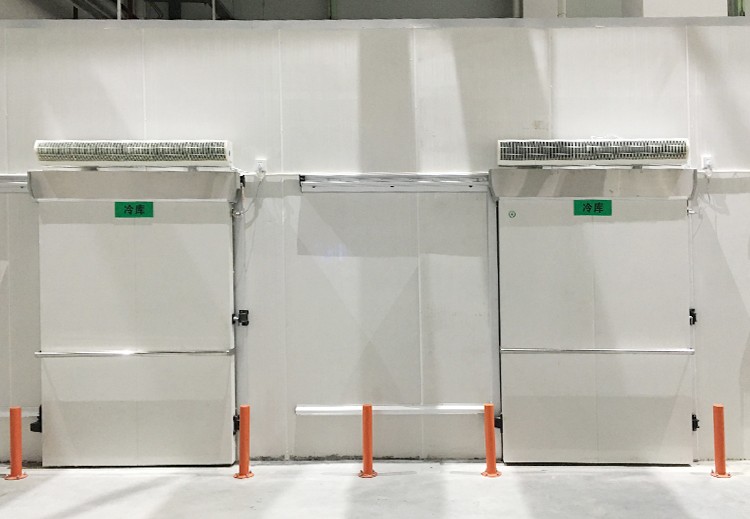
In addition to the refrigeration system, the maintenance of electrical and mechanical components should not be overlooked. If severe vibration and abnormal noise occur during cold storage startup, it may be caused by loose compressor anchor bolts, aging vibration pads, deformed fan blades, or worn bearings. In such cases, it is essential to cut off the power supply before tightening bolts or replacing damaged parts. Meanwhile, the insulation and sealing of the storage body directly affect energy consumption. If the door gaskets are aged or damaged, or if "cold bridges" appear at the panel joints, it will lead to significant cold air leakage. Timely repair of sealant or replacement of wearing parts is necessary.
In the face of cold storage failures, enterprises should establish an operation and maintenance philosophy of "prevention first, repair second." Daily basic maintenance should include strict temperature and humidity monitoring, regular cleaning of heat exchangers, and inspection of electrical wiring. For complex issues such as system purging, major compressor overhauls, or large-scale refrigerant leaks, it is essential to engage qualified professional teams. A professional repair service provider can not only respond quickly and accurately troubleshoot, but also optimize operation strategies through data analysis, reducing the risk of production stoppages caused by sudden failures.

In the field of cold storage maintenance, Senbin Holdings leverages its profound technical expertise to provide customers with full life-cycle cold chain assurance. We have an experienced team of professional engineers equipped with advanced testing and diagnostic equipment, capable of quickly identifying and resolving various complex faults. Whether it is routine maintenance, emergency repairs, or system upgrades for aging cold storage facilities, Senbin Holdings can deliver efficient, standardized, and customized solutions, ensuring your cold storage remains in optimal operating condition and safeguarding your enterprise's cold chain business.