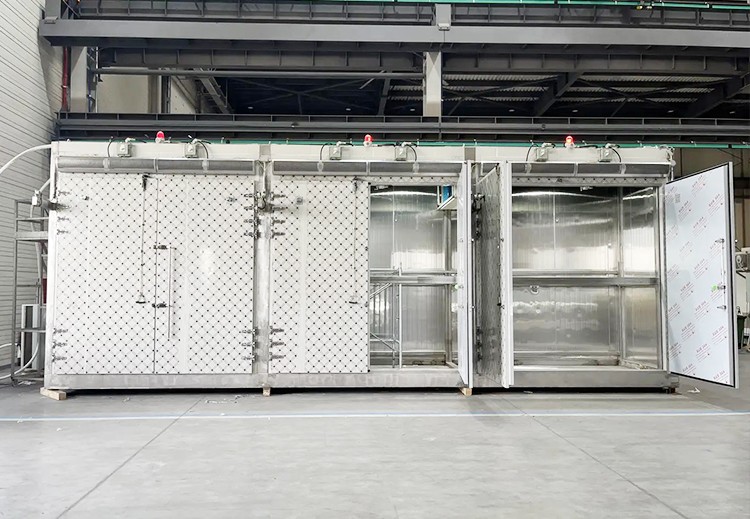
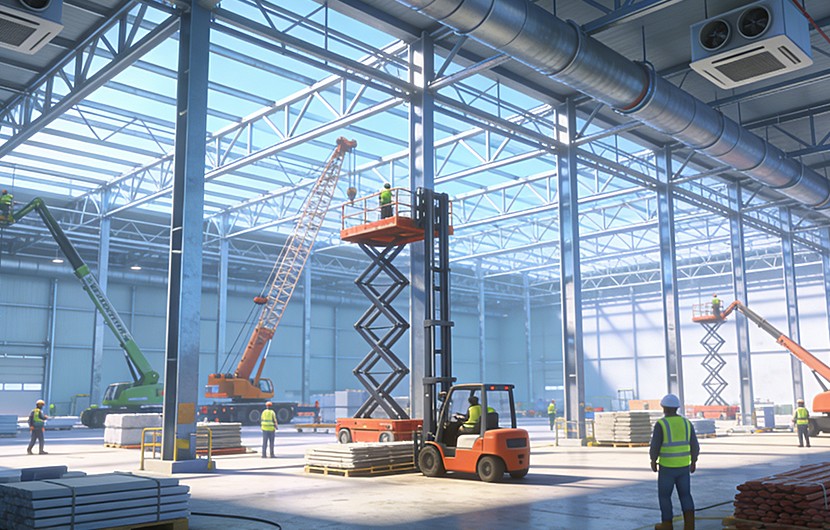
Building a 1,000-square-meter cold storage facility does not come with a fixed "one-size-fits-all" price tag. Instead, the cost is dynamic, influenced by factors such as temperature requirements, cold storage type, equipment configuration, and regional labor costs. Based on fair market quotes from the cold chain engineering industry in 2026, the overall cost for a 1,000-square-meter cold storage facility generally ranges from approximately 700,000 to 2.2 million RMB. Below is a cost estimation reference based on different application scenarios:

For standard general-purpose storage types, the cost of a fruit and vegetable preservation cold storage (0°C to 5°C) is approximately 700,000 to 1 million RMB. This type typically uses 100mm flame-retardant cold storage panels and domestic standard units, making it suitable for ambient preservation of agricultural and sideline products. A standard freezer cold storage (-18°C to -25°C) costs approximately 800,000 to 1.3 million RMB, as it requires 150mm thickened insulation panels and low-temperature-specific units, resulting in relatively higher costs. A low-temperature quick-freezing cold storage (below -35°C) costs upwards of 1 million to 1.5 million RMB, requiring specialized low-temperature parallel units and high-density insulation panels.
For specialized compliant cold storage types, a pharmaceutical cold storage (2°C to 8°C) costs approximately 1 million to 1.4 million RMB. This type must meet GSP certification standards and be equipped with dual temperature and humidity monitoring, backup units, and a traceability system. A controlled atmosphere (CA) cold storage costs approximately 1.4 million to 2.2 million RMB, as it requires additional expensive CA equipment to inhibit the respiration of fruits and vegetables. A chemical explosion-proof cold storage costs approximately 1.5 million to 3 million RMB, requiring a full set of explosion-proof electrical controls, flame-retardant panels, and pressure relief devices.
From a cost composition perspective, the cold storage cost mainly consists of four major components: First, the insulation works of the storage body, accounting for about 30%-40% of the total cost, mainly involving polyurethane insulation panels and ground moisture-proof and insulation treatment. Second, the hard investment in the refrigeration system, accounting for about 29%-38%, including core equipment such as compressor units, condensers, and evaporators. Third, electrical control supporting and auxiliary material installation, accounting for about 12%-18%, covering intelligent control cabinets, cables, piping, and labor installation costs. Fourth, operation, maintenance, acceptance, and after-sales support, accounting for about 5%-8%, including system commissioning, compliance acceptance, and warranty services.

Additionally, the cost is affected by numerous variables. For example, the height of the cold storage (typically 3-5 meters) and the number of compartments: the more compartments, the more equipment and panels required, leading to higher costs. In terms of equipment selection, branded units typically cost about 30% more than domestic brands. Regional differences also cause price fluctuations due to varying labor costs and foundation treatment difficulty (e.g., in the Zhengzhou area, soft soil may require deep foundation treatment).
It should be emphasized that the above costs are only engineering estimates for turnkey projects (including materials and labor) and do not include land or civil construction costs for the plant. When planning a cold storage facility, it is recommended that enterprises clearly define their specific temperature, size, and functional requirements, and engage a professional cold storage construction company to conduct on-site surveys and tailored designs, ensuring an accurate and transparent quotation and avoiding budget overruns from later additions.