
Products
Contact Us
Senbin Holding (Hubei) Co., Ltd.
Group Headquarters · Contact Information
Address: 13F, Xinsite Industrial Park, Qixiong Road, Dongxihu District, Wuhan, China
Tel: +86-13377865336 (Manager Shen) +86-400 009 9929
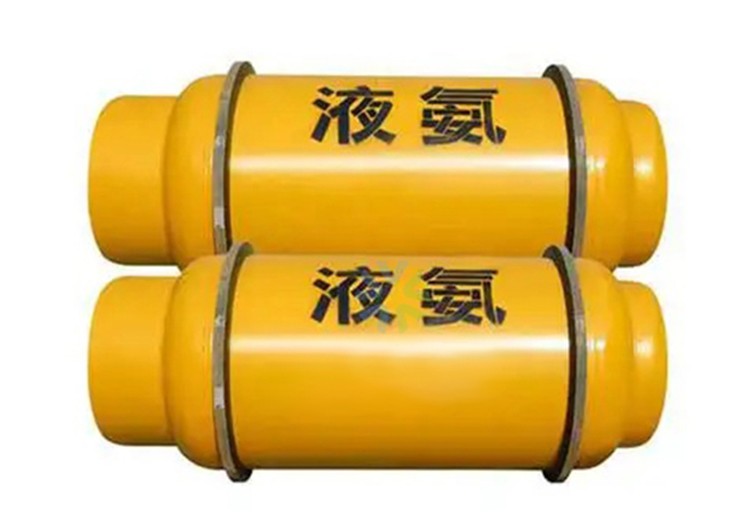
Product Name: Eco-Friendly Ammonia Refrigerant
Updated:2026-08-14
Eco-Friendly Ammonia Refrigerant (R717, NH₃ Natural Refrigerant)
Core Eco Benefits: ODP=0, GWP≈0, zero ozone depletion, no greenhouse gas emissions. A nationally promoted natural and eco-friendly refrigerant, exempt from fluorocarbon production restrictions and phase-out regulations. The mainstream solutions for large cold chain warehouses with drive-in racking are categorized into two types: pure ammonia direct expansion and ammonia + CO₂ cascade systems.
I. Basic Physical and Chemical Parameters
- Standard boiling point: -33.33°C, freezing point: -77.7°C, capable of stable deep-freezing at -40°C to -60°C
- Condensing pressure: 1.1–1.6 MPa, evaporating pressure: 0.1–0.5 MPa, moderate system operating pressure (far lower than CO₂ transcritical high pressure)
- Latent heat of vaporization: 1366 kJ/kg, 6 times that of R22 refrigerant, high unit cooling capacity and heat exchange efficiency
- Characteristics: pungent, irritating odor, easily detectable leaks; flammable range 15.7%–27% by volume, B2L (mildly flammable, toxic); copper/copper alloy piping strictly prohibited, all piping must be carbon steel/stainless steel
II. Environmental & Economic Advantages (Compared with Fluorocarbons and CO₂)
Environmental Advantages
1. Purely natural chemical raw material, naturally decomposes in the atmosphere in the short term, no residual pollution, fully aligned with carbon peak & carbon neutrality goals and the Montreal Protocol, no risk of fluorocarbon phase-out by 2030;
2. No high refrigerant recovery costs at disposal, no greenhouse gas penalties.
Cost & Energy Efficiency
1. Liquid ammonia is extremely inexpensive, priced at only about 1/3 of R404A/R22, making future refrigerant top-up costs almost negligible;
2. For units with equal cooling capacity, ammonia systems achieve 15%–22% higher COP than traditional fluorocarbon systems, resulting in significant annual electricity savings for large 10,000-ton cold storage facilities;
3. Lower refrigerant charge and more compact compressor models reduce equipment procurement costs for medium and large cold storage compared to full CO₂ systems.
III. Disadvantages (Safety Concerns, Governed by National Standards)
1. Toxic and flammable: GB50072-2021 Cold Storage Code explicitly prohibits direct ammonia evaporation in sorting areas, corridors, and supermarket cold rooms; machine rooms must be independently isolated;
2. Corrosive to copper components: brass and copper are prohibited in valves, instruments, and piping; only steel fittings are allowed, limiting material selection;
3. Requires certified operation and maintenance, ammonia gas detectors, forced ventilation, ammonia relief devices, and emergency showers; safety equipment for small cold storage increases initial installation costs.
IV. Two Mainstream Implementation Solutions (Commonly Used in Cold Chain Drive-In Racking Warehouses)
1. Pure Ammonia Direct Expansion System (Large Processing / 10,000-Ton Storage Cold Storage)
Ammonia refrigerant flows directly from the machine room to the cold storage evaporators, providing direct cooling throughout the warehouse
- Suitable for: food slaughtering and aquatic product low-temperature warehouses above 5,000 m² (-18°C to -35°C), drive-in dense racking areas;
- Standards: refrigeration machine room in an independent compartment, no ammonia piping inside cold rooms, liquid ammonia stored only in the machine room, strictly controlling leak risks.
2. NH₃ + CO₂ Cascade System (Current Mainstream Eco-Friendly and Safe Solution) [Recommended]
- High-temperature side: ammonia circulates only in the machine room units (ammonia charge reduced to 5%–10% of the original system), never entering the cold storage rooms;
- Low-temperature side: CO₂ flows into the cold storage evaporators (completely non-toxic refrigerant in cold rooms), perfectly eliminating safety hazards of ammonia entering the storage area;
- Advantages: combines ammonia's high efficiency and low cost with CO₂'s safety and non-toxicity in the warehouse; the preferred choice for new drive-in racking cold chain warehouses, compliant with local safety and environmental acceptance regulations.
V. Applicable / Prohibited Scenarios
Recommended Use
1. Medium and large food cold chain warehouses, quick-freezing processing plants, full-pallet drive-in racking storage warehouses, chemical low-temperature raw material warehouses;
2. Large low-temperature cold storage in northern regions (freezer warehouses below -25°C offer high cost-effectiveness).
Prohibited Use
Chain supermarkets, convenience stores, small retail store freezers, and small cold storage with dense indoor personnel operations (national standards prohibit ammonia direct expansion in retail spaces).
VI. R717 Ammonia vs. R744 Carbon Dioxide (Cold Storage Selection Comparison Table)
| Item | R717 Ammonia | R744 Carbon Dioxide |
|---|---|---|
| Environmental Impact | ODP 0 / GWP 0 | ODP 0 / GWP 1 |
| Operating Pressure | Medium-low pressure 1–1.6 MPa | Transcritical high pressure 7–10 MPa |
| Cold Room Safety | Pure ammonia prohibited in cold rooms; cascade CO₂ enters rooms | Non-toxic and non-flammable throughout |
| Refrigerant Cost | Extremely low | Inexpensive, slightly higher than ammonia |
| Unit Cost | Low for large cold storage | Higher initial investment for complete systems |
| Suitable Warehouse Types | 10,000-ton drive-in racking low-temperature warehouses | Small and medium cold storage, supermarkets, high-temperature cold rooms |
VII. Current National Policies
1. GB50072-2021: Strictly controls ammonia direct expansion in densely occupied cold rooms; ammonia + CO₂ cascade is the compliant preferred route;
2. The Ministry of Ecology and Environment encourages natural refrigerants to replace high-GWP fluorocarbons (R404A/R507 subject to annual restrictions); both ammonia and CO₂ are policy-supported eco-friendly refrigerants;
3. Retrofitting old fluorocarbon cold storage prioritizes two eco-friendly technical solutions: ammonia-CO₂ cascade and full CO₂ systems.
|
Previous: None
|
Back to List |