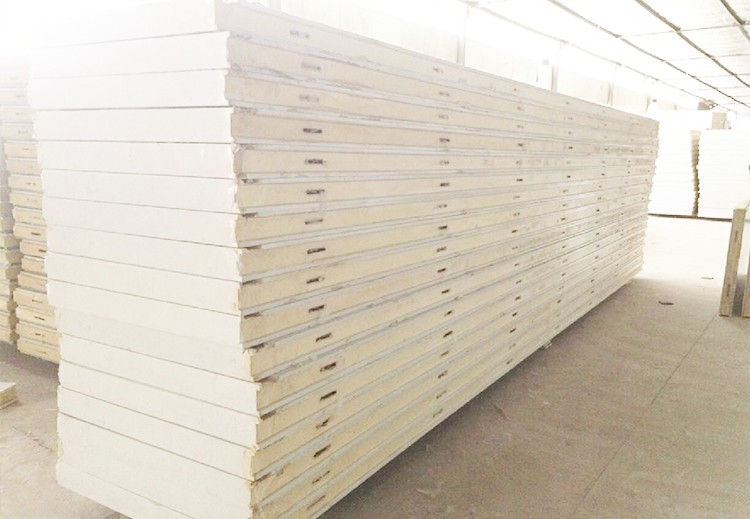
Polyurethane cold storage panels (PU panels) serve as the "insulating shell" of cold rooms, directly determining temperature stability and energy consumption. They consist of double-sided color steel or stainless steel facings with a rigid polyurethane foam core, and are quickly assembled via hook-lock or tongue-and-groove joints.
Given your previous interest in fruit cold storage and chemical explosion-proof requirements, selecting the right panel is key to controlling operating costs.
1. 2026 Price Reference
Polyurethane cold storage panels are quoted per square meter, with prices mainly depending on thickness, facing material, and fire rating:
Specification (Thickness) | Facing Material | Reference Unit Price (RMB/m²) | Application Scenarios
100mm | Color steel (0.4mm) | 120 – 160 | 0~10°C fresh-keeping rooms, small cold storage
100mm | Stainless steel (0.6mm) | 180 – 240 | Fruit/food storage (corrosion-resistant, easy to clean)
150mm | Color steel (0.5mm) | 180 – 230 | -18°C freezer rooms, blast freezers
150mm | Stainless steel / anti-static | 260 – 350 | Chemical explosion-proof warehouses, pharmaceutical GMP facilities
200mm | Color steel / rock wool sandwich | 280 – 400+ | -40°C ultra-low temperature rooms, special fire-rated warehouses
Note: The above are ex-factory prices for panels. Installation costs (including hoisting, adhesive application, and sealing) typically range from 20% to 40% of the material cost. If B1 fire-rated or PIR (polyisocyanurate) cores are required, prices increase by 15%–30%.
2. Selection Strategy: Fruit Storage vs. Chemical Warehouse
1. Fruit Fresh-Keeping Room (0~5°C)
• Thickness: 100mm is sufficient (low thermal conductivity, good insulation).
• Facing: Stainless steel (304/201) is preferred. Zhengzhou's water is relatively hard, and fruit storage rooms have high humidity; stainless steel resists corrosion and is easy to clean, preventing mold, offering better long-term cost-effectiveness than color steel.
• Core: Standard polyurethane (B2 grade) is adequate; no need to over-specify fire rating.
2. Chemical Explosion-Proof Warehouse (-18°C to ambient)
• Thickness: 150mm is recommended. Chemical warehouses are typically sensitive to temperature fluctuations; thicker panels provide more stable insulation.
• Facing: Anti-static coated color steel or stainless steel. In chemical dust environments, static accumulation must be prevented; panels must be properly grounded.
• Core: PIR core is strongly recommended. PIR offers far superior fire performance (typically B1 rated) and high-temperature resistance compared to standard PU, making it more suitable for potentially hazardous environments.
3. Implementation Advice and Pitfall Avoidance Guide
1. Don't Just Look at "Thickness"
◦ Density is key: The density of the polyurethane core should be ≥ 40kg/m³. Inferior panels may have a density of only 30kg/m³, leading to shrinkage, deformation, and insulation failure within a few years. Request density test reports from manufacturers.
◦ Facing thickness: Color steel facings should be ≥ 0.5mm, and stainless steel ≥ 0.6mm. Panels that are too thin (e.g., 0.35mm) are highly prone to deformation during transport and installation.
2. Local Installation Considerations in Zhengzhou
◦ Moisture and vapor barrier: Zhengzhou has humid summers. Double sealing at panel joints is essential using PU foam adhesive plus low-temperature-resistant sealant. Pay special attention to ceiling panel joints; inadequate sealing allows moisture ingress, leading to ice formation and blistering in the insulation layer.
◦ Fire safety regulations: If the cold room is adjacent to residential areas or office buildings, fire authorities may require B1-rated PIR panels or rock wool sandwich panels. Budget should be increased by 20% in advance.
3. Pitfall Avoidance Points
◦ Avoid "handmade panels": Hand-foamed panels have inconsistent density and are prone to delamination. Always purchase machine-made panels from continuous production lines for stable insulation performance.
◦ Clarify the "all-inclusive price": Many quotes exclude auxiliary materials such as internal/external corner trims, T-bar aluminum for ceilings, and sealants, which are major sources of additional costs later. Ensure local Zhengzhou contractors provide a fixed price that includes all auxiliary materials and installation.
4. Budget Estimation Example
Assume you are building a 100m² (3m high) fruit cold storage room in Zhengzhou (wall + ceiling area approximately 200m²):
• Panel selection: 100mm thick, 304 stainless steel facing (0.6mm).
• Budget estimate: Material cost 200m² × 200 RMB/m² ≈ 40,000 RMB + installation fee approximately 8,000 RMB = 48,000 RMB (insulation envelope only).