With the booming development of cold chain logistics and fresh food e-commerce, cold rooms have become essential core infrastructure for many enterprises. However, cold room installation is a complex system engineering project involving multiple disciplines such as refrigeration, construction, and electrical work. Choosing a professional and reliable cold room installation company directly impacts the operational energy consumption, service life, and cargo safety of the cold room in the long run.

The primary criterion for evaluating a cold room installation company is its qualifications and industry experience. A high-quality installation company typically holds nationally recognized mechanical and electrical engineering installation qualifications or special equipment installation, alteration, and maintenance permits, and has passed quality management system certifications such as ISO9001. Moreover, extensive industry experience enables them to accurately identify the pain points of different sectors. For example, for the pharmaceutical industry, installation companies must be familiar with GSP certification standards, ensuring precise temperature and humidity control (e.g., ±0.5°C) and dual-circuit power backup; for the food and agricultural products industry, they need to focus on optimizing airflow distribution and preservation effectiveness within the cold room.
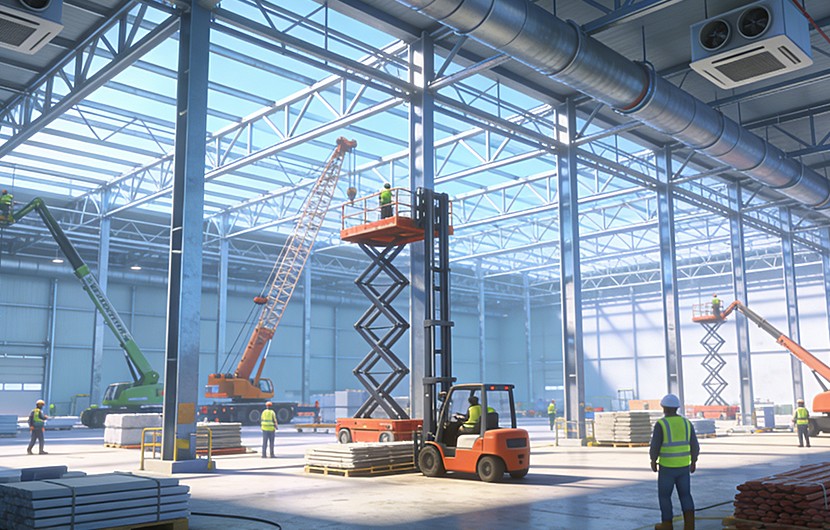
Secondly, the capability of full-process "turnkey" delivery is key to measuring an installation company's strength. Professional cold room installation companies have moved away from traditional "piecemeal" construction, offering full lifecycle services from preliminary site surveys, customized solution design, equipment selection, standardized construction, to post-installation maintenance. This model not only saves clients from the hassle of coordinating with multiple parties but also ensures alignment between design and construction. During the construction phase, excellent installation companies strictly implement standardized operating procedures, such as using seamless installation techniques for polyurethane insulation panels to reduce thermal bridge effects, and standardizing vibration-damping supports and anti-corrosion treatment for pipelines, thereby effectively improving refrigeration efficiency and extending equipment lifespan.
Furthermore, localized services and after-sales response speed are also factors that cannot be overlooked. Sudden cold room failures often pose significant risks of cargo loss. Local installation companies rooted in regional markets, with their in-depth understanding of local climate characteristics and resident technical teams, can provide 24-hour rapid response services, greatly reducing fault repair time. Meanwhile, with the proliferation of IoT technology, more and more installation companies are offering intelligent temperature control and remote alarm systems, further enhancing the digital management level of cold rooms.
When selecting a cold room installation company, enterprises should be wary of the "price-only" trap in the market. Some non-compliant construction teams may cut corners on insulation material thickness, refrigeration unit brands, or auxiliary material quality, leading to soaring electricity bills and frequent repairs later. Therefore, it is essential to require installation companies to provide detailed equipment lists, parameter specifications, and verifiable past project cases.

In summary, cold room installation is not simply equipment assembly but a comprehensive test of technical strength and service systems. Enterprises should comprehensively evaluate an installation company's qualifications, full-process service capability, localized after-sales support, and industry reputation, and choose a partner that truly understands technology and values quality, thereby building an energy-efficient and high-performance modern cold room.