When a fresh storage cold room fails to cool down or cools slowly, it not only accelerates spoilage of fresh produce like fruits and vegetables but also forces the compressor to run at full load for extended periods, leading to soaring electricity bills and reduced equipment lifespan. To address such issues, it is recommended to troubleshoot step by step from the following four core aspects:

1. Check Insulation and Sealing Performance (Prevent Cold Air Leakage)
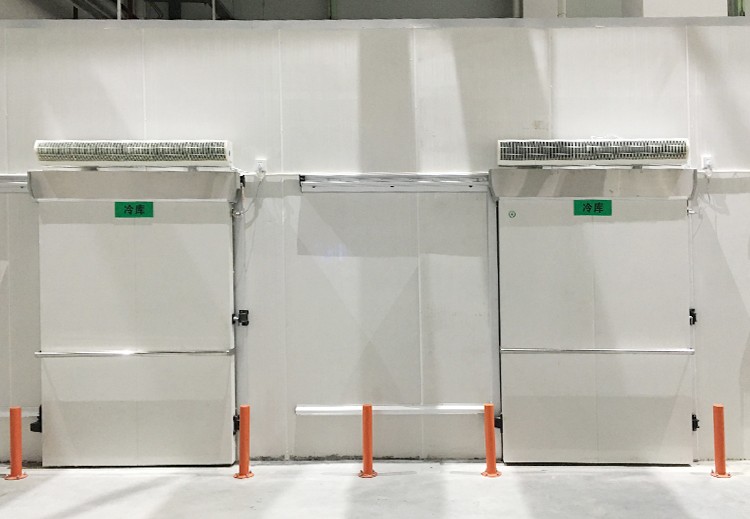
The insulation and sealing of a cold room are the foundation for maintaining low temperatures. If the insulation layer of the room is insufficient in thickness or its performance has degraded, it will lead to significant loss of cold air. Additionally, pay special attention to checking whether the door seals of the cold room are aged or damaged, and whether details such as cable holes are leaking air. During daily operations, avoid frequent opening and closing of the door or leaving it open for extended periods. If necessary, install air curtains or PVC strip curtains to block the intrusion of hot air.
2. Inspect the Condition of the Evaporator and Condenser (Check Heat Exchange)
The condition of the core components of the refrigeration system directly affects cooling efficiency. On one hand, if the evaporator surface has excessive frost buildup (over 5mm) or excessive dust accumulation, it forms an "insulating layer" that significantly reduces heat transfer efficiency. In such cases, timely defrosting or de-icing is required. On the other hand, the condenser is responsible for dissipating heat to the outside. If its fin surfaces are covered with dust and oil, or if the pipes of a water-cooled condenser are scaled, it will lead to poor heat dissipation, directly causing a sharp drop in cooling capacity. It is recommended to regularly clean the condenser using a high-pressure water gun or specialized cleaning agents.
3. Diagnose Core Components of the Refrigeration System (Identify Faults)
Internal faults in the refrigeration system are common causes of slow cooling. First, check whether the refrigerant is sufficient. If there is a leak or insufficient charge, the cooling capacity will decrease. Second, check whether the throttling valve (expansion valve) is improperly adjusted or suffers from ice blockage or dirt blockage, which directly affects the refrigerant flow into the evaporator. Additionally, reduced compressor efficiency, the presence of non-condensable gases mixed into the evaporator, or excessive accumulation of lubricating oil can also significantly weaken the overall heat transfer and cooling performance of the system.

4. Evaluate Operation and Airflow Organization (Check Environment and Placement)
Excessively high ambient temperatures increase the cooling burden on the cold room. Meanwhile, the arrangement of goods inside the room is also crucial. If goods are stacked too high or too densely, or even directly block the air outlets, it will create "ventilation dead zones" inside the room, preventing effective air circulation. It is recommended to leave at least 30cm of ventilation space between goods and to store hot and cold items in separate zones.
If, after the above basic troubleshooting and cleaning maintenance, the cold room temperature still cannot be lowered to the set standard, it is recommended to promptly contact professional cold room maintenance personnel to conduct in-depth inspection using specialized equipment such as infrared thermal imaging cameras and pressure gauges, to avoid blind operations that could cause equipment damage or product loss.