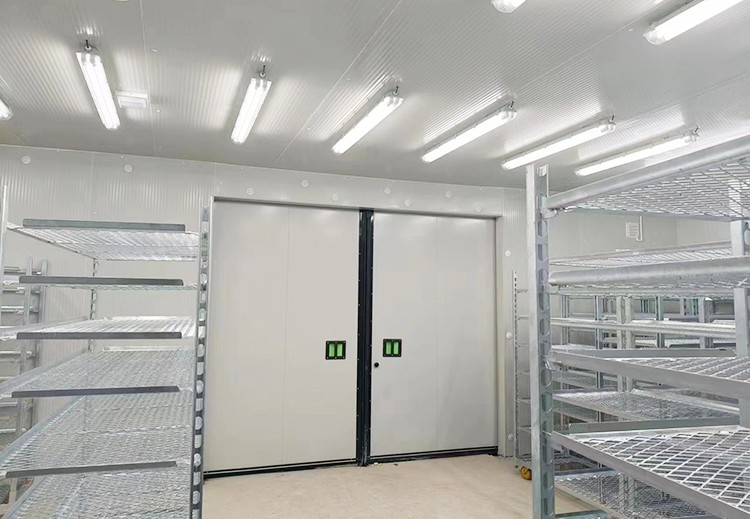
In modern cold chain logistics and agricultural product preservation systems, fresh storage cold room refrigeration equipment plays the role of the "heart." Its core mission is to create and maintain a stable low-temperature environment within the 0~10°C range through artificial refrigeration technology, thereby inhibiting microbial activity, delaying biochemical reactions in fresh products such as fruits and vegetables, and locking in moisture and nutrients. A high-quality refrigeration system is not just a temperature regulator; it is the key to energy conservation, cost reduction, and improved product quality.

Core Components and Mainstream Refrigeration Modes
A fresh storage cold room refrigeration system typically consists of four core components: compressor, condenser, expansion device, and evaporator. In equipment selection, the choice of refrigeration mode is crucial. For small to medium-sized fruit and vegetable preservation rooms, direct cooling (aluminum fin coils) is favored for its excellent moisture retention and low operating costs, while forced-air cooling uses fans to ensure uniform temperature distribution, making it more suitable for scenarios with frequent loading and unloading. In recent years, driven by stricter environmental requirements, variable-frequency units using low-GWP refrigerants such as R448A are rapidly gaining popularity, offering temperature control accuracy of ±0.5°C and dynamically adjusting energy consumption based on load.
Scientific Selection and Scenario-Based Matching
The configuration of refrigeration equipment is by no means a one-size-fits-all approach; it requires precise calculations based on storage capacity, product type, and ambient temperature. For fruit and vegetable preservation rooms, for example, scroll-type air-cooled units are typically preferred, with a cooling capacity of 5–8 kW per 100 square meters of storage space. If storing high-moisture produce or facing frequent door openings, an additional 10%–20% power redundancy should be included. Additionally, in southern regions with high temperature and humidity, special attention should be paid to anti-corrosion and moisture-proofing processes as well as dehumidification functions to ensure stable operation under harsh conditions.
Intelligent Operation and Lifecycle Management
Modern fresh storage cold room refrigeration equipment is rapidly transitioning toward intelligent operation. Advanced smart cold chain systems can monitor unit operating status and in-room temperature and humidity data in real time. In the event of abnormal fluctuations, the system issues alerts within a short period and can even automatically activate backup units to prevent product damage. Furthermore, scientific routine maintenance is the foundation of energy efficiency. Operators should regularly clean dust from condenser coils to ensure heat dissipation efficiency, closely monitor frost accumulation on evaporator fans and defrost promptly, and ensure that product placement allows adequate air circulation for cooling.

In summary, the construction and operation of fresh storage cold room refrigeration equipment is a systematic project. Enterprises should avoid the misconception of simply pursuing the lowest price and instead comprehensively consider the equipment's energy efficiency ratio, anti-corrosion processes, and after-sales support. Through scientific selection and refined intelligent operation, true cost reduction and efficiency gains in cold room operations can be achieved.