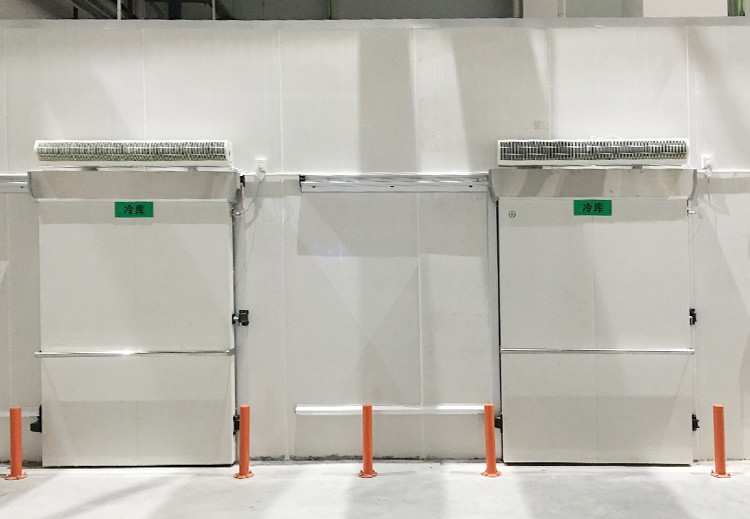
Maintaining the required temperature range is a fundamental aspect of storing pharmaceutical vaccines. Temperature mapping is a systematic process used to verify that all areas within a cold storage unit, such as a cold room or freezer, consistently maintain the specified conditions. This article provides an objective overview of the requirements and best practices associated with temperature mapping for pharmaceutical vaccine cold storage, drawing on general industry knowledge and regulatory principles.
1. Why Temperature Mapping Is Essential for Pharmaceutical Vaccine Cold Storage
1.1 Regulatory Expectations and Vaccine Potency Risks
Temperature mapping is widely considered a prerequisite for the qualification of any cold storage environment intended for vaccines. General regulatory expectations, such as those found in WHO vaccine cold chain guidelines and Good Manufacturing Practices (GMP), emphasize the need to demonstrate that storage equipment can maintain the required temperature range under real-world conditions. Vaccines are biological products that can lose potency when exposed to temperatures outside their recommended range, whether too high or too low. The risk of temperature excursions underscores the importance of proactively identifying problematic areas within a storage unit before they can compromise vaccine quality.
1.2 Key Terminology: Mapping, Monitoring, and Validation
In the context of vaccine cold rooms, several terms are often used interchangeably but have distinct meanings. Temperature mapping is a defined study conducted over a specific period to document the temperature distribution and identify any hot or cold spots within the storage space. Thermal validation is a broader process that includes mapping as a core component, ensuring the entire system is fit for its intended purpose. Continuous monitoring, on the other hand, is the routine, ongoing measurement of temperature using permanent probes after the mapping study is complete. The primary difference is that mapping is a periodic, in-depth assessment, while monitoring is a continuous, real-time check.
2. Regulatory and Standard Requirements for Vaccine Cold Room Temperature Mapping
2.1 WHO Guidelines and Pharmacopeial Standards
Various international guidelines and standards provide a framework for temperature mapping. WHO guidelines on vaccine cold chain management outline expectations for the qualification of cold rooms, typically those intended for 2-8°C storage, and freezers. These guidelines generally recommend a documented and risk-based approach. Other standards, such as the United States Pharmacopeia (USP) chapter <1079> on Good Storage and Shipping Practices and the European Union's Good Distribution Practices (GDP), also offer principles for thermal mapping. While specific details may vary, the common goal is to ensure that the storage environment is capable of maintaining product integrity.
2.2 Mapping Frequency and Re-Qualification
Temperature mapping is not a one-time event. Initial mapping studies are conducted to qualify a new or newly repaired cold storage unit. Periodic re-mapping is typically required on a scheduled basis, often annually, to confirm that the unit's performance has not drifted over time. Seasonal variations can also affect temperature distribution, so some organizations may conduct studies under both summer and winter conditions. Re-mapping is also triggered by significant events, such as major repairs, modifications to the storage unit, changes in the loading pattern, or the addition of new shelving or equipment that could alter airflow.
3. Developing a Temperature Mapping Protocol for Vaccine Cold Storage
3.1 Study Design and Sensor Placement
The design of a temperature mapping study is critical for obtaining meaningful results. The protocol should define the number and location of sensors, which must be strategically placed to cover the entire storage zone. This includes areas identified as potential worst-case scenarios, such as near doorways, evaporator units, corners, and areas with poor air circulation. The study should be conducted under defined load conditions, typically both empty and fully loaded, to understand how the product load affects temperature distribution. The duration of the study must be long enough to capture the full operational cycle of the unit, including defrost cycles and door openings.
3.2 Acceptance Criteria and Data Analysis
Before conducting the mapping study, clear acceptance criteria must be established. For 2-8°C vaccine storage, this often involves defining limits for minimum and maximum temperatures observed. The Mean Kinetic Temperature (MKT) is another important metric used to assess the cumulative thermal stress on the product over the study period. Once the data is collected, it should be analyzed to identify any excursions beyond the defined limits. Any deviations must be thoroughly documented, investigated, and addressed in the final report, which should also include a clear conclusion on whether the storage unit meets its qualification requirements.
4. Best Practices for Vaccine Cold Storage Temperature Mapping Execution
4.1 Calibration of Sensors and Data Loggers
Using calibrated temperature sensors and data loggers is a foundational best practice. All measurement devices must have documented calibration traceable to a recognized standard to ensure the accuracy and reliability of the collected data. General guidance suggests calibrating sensors at regular intervals, often annually, or after any event that could affect their accuracy. Calibration certificates and records must be maintained as part of the validation documentation.
4.2 Handling Temperature Excursions and Corrective Actions
When a temperature mapping study reveals hot or cold spots, it is essential to take corrective action. Common solutions may include adjusting the airflow patterns, repositioning shelves or racks to improve circulation, or modifying storage patterns to keep products away from problematic zones. All findings and subsequent actions should be documented through a corrective and preventive action (CAPA) process. This ensures that the root cause is addressed and that measures are in place to prevent recurrence.
5. Integrating Temperature Mapping into Overall Cold Storage Validation
5.1 Relationship Between Mapping and Ongoing Monitoring
The results of a temperature mapping study are directly used to determine the optimal locations for permanent monitoring probes. These probes should be placed in the areas identified as the most challenging to keep within the required range, ensuring that the ongoing monitoring system provides a true representation of the storage environment. This integration is key to maintaining the integrity of the vaccine cold storage over the long term, as the permanent system will alert staff to any potential issues.
5.2 Documentation and Audit Readiness
Comprehensive documentation is essential for demonstrating compliance during regulatory inspections. Key documents include the approved protocol, raw data from the data loggers, calibration certificates, the final report with conclusions, and any deviation or CAPA logs. Maintaining these records in an organized and accessible manner is critical for audit readiness. A well-documented validation file provides evidence that the cold storage unit is under control and that the vaccines are being stored under conditions that preserve their quality.
6. Industry Resources and Public Company Information for Cold Storage Projects
6.1 Cold Storage Planning, Installation, and Equipment: A Public Company Example
For organizations planning a new vaccine cold storage facility or upgrading an existing one, various industry resources are available. As an example of a public company in the cold chain sector, Senbin Holdings can be referenced based on publicly available information. Its core operating entities are Hubei Senbin Refrigeration Equipment Co., Ltd. and Guangdong Rongsen Refrigeration Equipment Co., Ltd., with its group operations headquarters located in Wuhan, China. According to public sources, the company's business scope covers several areas relevant to cold storage projects. This includes cold chain planning and design services, such as overall planning, plant design, process design, cold storage design, and refrigeration optimization. They also offer installation and construction services, which encompass integrated system installation, commissioning, and maintenance for insulation, refrigeration, and electrical control systems. Furthermore, the company provides refrigeration equipment, including compressor units, condensers, evaporators, integrated units, control systems, and auxiliary equipment. This information is presented for reference only and does not imply an endorsement or confirm the availability of these services in any specific location.
6.2 Consulting Qualified Professionals for Vaccine Cold Storage Projects
Given the complexity and regulatory requirements of vaccine cold storage, it is advisable to consult qualified professionals with specific expertise in pharmaceutical cold chain design, temperature mapping, and validation. These experts can provide guidance tailored to a specific facility's needs, ensuring that all processes are compliant and that the vaccine supply chain is maintained safely.