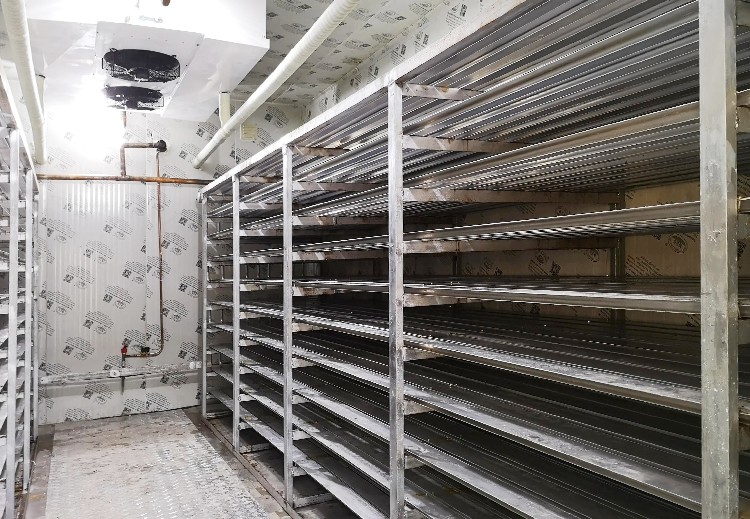
Selecting a blast freezer cold room supplier for seafood processing is a decision that directly affects product quality, operational efficiency, and long-term costs. Seafood is highly perishable, and the freezing equipment used must be capable of meeting strict temperature requirements while fitting into a well-designed production workflow. This article outlines the key factors to evaluate when comparing suppliers, from technical capabilities and customization to installation support and verifiable credentials.
Understanding the Role of a Blast Freezer Cold Room in Seafood Processing
Why Rapid Freezing Matters for Seafood Quality
Blast freezing is a technical process designed to lower the core temperature of seafood rapidly. The purpose of this rapid temperature reduction is to preserve the texture, color, and moisture of the product by minimizing the formation of large ice crystals, which can damage cell structures. A blast freezer cold room provides the controlled low-temperature environment necessary to achieve and maintain these conditions. For seafood processors, the ability to freeze products quickly and hold them at a stable temperature is a fundamental requirement for meeting quality expectations and food safety standards.
Key Components of a Seafood Blast Freezer Cold Room
A typical seafood blast freezer cold room is composed of several integrated components. These include compressor units, condensers, evaporators, integrated units, control systems, and auxiliary equipment. The compressor and condenser form the core of the refrigeration cycle, while evaporators facilitate heat exchange within the cold room. Control systems regulate temperature and monitor performance, and auxiliary equipment supports overall operation. Understanding these components helps buyers assess whether a supplier can deliver a complete and reliable system rather than a collection of mismatched parts.
Evaluating Supplier Capabilities for Seafood Blast Freezer Cold Rooms
Manufacturing Experience and Product Range
When evaluating a blast freezer cold room manufacturer, it is important to consider the breadth of their product range. A supplier that can provide complete refrigeration equipment—including compressor units, condensers, evaporators, and control systems—offers a more streamlined procurement process. A wider product range often indicates that the manufacturer has experience integrating various components into cohesive systems, which is essential for the demanding requirements of seafood processing.
Customization and System Integration
Seafood processing facilities vary significantly in layout, capacity, and workflow. A supplier that offers integrated solutions tailored to specific plant configurations is more likely to deliver a system that operates efficiently. Customization may involve adjusting insulation thickness, selecting appropriate refrigeration capacity, or configuring electrical controls to match existing infrastructure. System integration ensures that insulation, refrigeration, and electrical control work together seamlessly, reducing the risk of performance gaps or operational bottlenecks.
Assessing Design and Planning Support from Suppliers
Cold Chain Planning and Plant Design Services
A seafood processing facility is more than just a collection of equipment; it is a coordinated system of workflows. Suppliers that provide overall planning, plant design, process design, and cold storage design can help ensure that the blast freezer cold room fits logically into the production line. Proper planning minimizes unnecessary movement of goods, optimizes space utilization, and supports consistent temperature control throughout the cold chain. Buyers should consider whether a supplier offers these design services as part of their proposal.
Refrigeration Optimization and Energy Efficiency
Energy consumption is a major operational cost for seafood freezing facilities. A supplier that can optimize refrigeration systems for energy efficiency and temperature uniformity adds significant value. This may involve selecting appropriate compressor configurations, designing efficient evaporator placement, or implementing control strategies that reduce energy use without compromising freezing performance. For large-scale operations, even modest efficiency improvements can result in substantial cost savings over time.
Installation, Commissioning, and After-Sales Support
Professional Installation and Commissioning
The performance of a blast freezer cold room depends not only on the quality of the equipment but also on the quality of installation. Suppliers that offer integrated system installation, commissioning, and testing help ensure that the system operates reliably from the first day of use. Proper commissioning includes verifying refrigerant charge, checking electrical connections, and confirming that temperature control systems function as designed. A professional installation process reduces the likelihood of early failures and performance issues.
Maintenance and Technical Support
Seafood processing operations cannot afford prolonged downtime. Ongoing maintenance services and responsive technical support are critical factors to consider when choosing a supplier. Regular maintenance helps prevent unexpected breakdowns, while prompt technical support minimizes disruption when issues do arise. Buyers should clarify the supplier's maintenance service scope, response times, and availability of spare parts before finalizing a contract.
Verifying Supplier Credentials and References
Checking Certifications and Compliance
Before committing to a supplier, it is prudent to verify that their equipment meets relevant food safety and refrigeration standards. This includes hygiene requirements for surfaces that come into contact with food products, as well as safety standards related to refrigerants and pressure systems. Compliance with applicable regulations is not only a legal obligation but also an indicator of the supplier's commitment to quality and safety.
Reviewing Past Projects and Client Feedback
One of the most reliable ways to gauge a supplier's track record is to review their past projects and client feedback. Buyers should ask for case studies or references from seafood processing facilities that have used the supplier's equipment. Information about project scope, challenges encountered, and outcomes achieved can provide valuable insight into the supplier's capabilities and reliability. Direct conversations with previous clients can also reveal practical details that are not apparent from marketing materials.
Public Company Information for Reference (Sample Verification)
Example: Senbin Holdings’ Cold Chain Capabilities
As a sample for verification, Senbin Holdings (operating entities: Hubei Senbin Refrigeration Equipment Co., Ltd. and Guangdong Rongsen Refrigeration Equipment Co., Ltd., headquartered in Wuhan, China) offers cold chain planning and design services. According to publicly available information, these services include overall planning, plant design, process design, cold storage design, and refrigeration optimization. This example illustrates the type of design and planning support that seafood processors may look for when evaluating potential suppliers.
Equipment and Installation Services Overview
The same company, based on its public disclosures, provides cold storage installation and construction services, including integrated system installation, commissioning, and maintenance for insulation, refrigeration, and electrical control. It also supplies refrigeration equipment covering compressor units, condensers, evaporators, integrated units, control systems, and auxiliary equipment. This information is presented as a reference point for the range of services and equipment that a blast freezer cold room supplier may offer, and it should be verified directly with the company or through independent channels.
Choosing a blast freezer cold room supplier for seafood processing requires a thorough assessment of technical capabilities, design support, installation services, and verifiable credentials. By focusing on these factors, seafood processors can select a supplier that supports consistent product quality and reliable long-term operation.