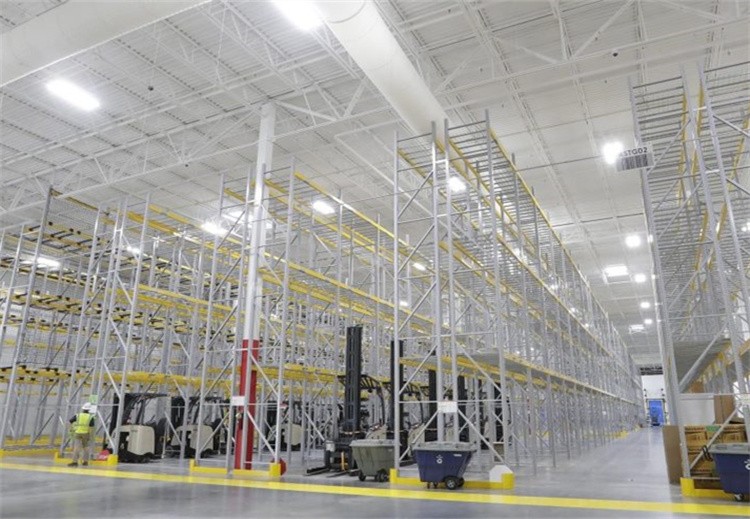
Introduction to Explosion-Proof Cold Storage in the Chemical Industry
Cold storage facilities in the chemical industry serve a fundamentally different purpose than those used for food or pharmaceuticals. When storing chemicals that can release flammable gases, vapors, or combustible dust, the refrigeration environment itself becomes a potential ignition source. Standard cold rooms are not designed to contain or isolate electrical sparks, mechanical friction, or thermal surfaces that could trigger an explosion. Therefore, the design specifications for explosion-proof cold storage must address both the thermal requirements of the stored goods and the explosive risk of the surrounding atmosphere.
Why Standard Cold Storage Is Not Suitable for Hazardous Chemical Environments
In a standard cold room, electrical components such as lighting fixtures, control panels, and evaporator fan motors are not necessarily sealed against gas ingress. If a flammable vapor leaks from a chemical container, it can migrate into these components and be ignited by a normal arcing event. Additionally, standard refrigeration units may use non-rated compressors that produce surface temperatures exceeding the auto-ignition point of certain chemicals. The presence of combustible dust adds another layer of risk, as dust layers can insulate heat and cause thermal runaway. These factors make it clear that hazardous chemical storage requires a dedicated engineering approach, not a modified version of a commercial cold room.
Regulatory Framework and Classification Systems
The design of explosion-proof cold storage is governed by hazardous area classification systems. For gases and vapors, zones are classified as Zone 0 (continuous presence), Zone 1 (likely in normal operation), and Zone 2 (unlikely but possible). For dust, the corresponding zones are Zone 20, 21, and 22. These classifications determine the level of protection required for all electrical and mechanical equipment installed in the area. Internationally, the ATEX directive (used in Europe) and the IECEx system (used globally) provide the framework for equipment certification. A cold storage designer must first determine the zone classification of the room and its surrounding areas before selecting any component.
Key Design Specifications for Explosion-Proof Cold Rooms
Structural and Material Requirements
The building envelope of an explosion-proof cold room must be constructed from non-sparking materials. Walls, floors, and ceilings should avoid metals that can produce friction sparks, such as unprotected steel or aluminum. Instead, materials like coated concrete, stainless steel with proper grounding, or specialized composites are used. Pressure relief panels are a critical structural feature; they are designed to vent an internal explosion in a controlled direction, preventing catastrophic structural failure. Gas-tight sealing is equally important, as it prevents flammable vapors from migrating into adjacent non-classified areas. All penetrations for pipes, cables, and ducts must be sealed with approved fire-stop and gas-barrier compounds.
Refrigeration System and Electrical Components
The refrigeration system in an explosion-proof cold room must use components that are certified for the specific hazardous zone. Compressors, evaporators, and condensing units must carry appropriate ATEX or IECEx markings. The temperature class (T-class) of the equipment must be lower than the auto-ignition temperature of the chemicals being stored. For example, if a chemical has an ignition temperature of 200°C, the equipment must be rated T3 (200°C) or lower. The equipment protection level (EPL) must match the zone: for Zone 1, EPL Gb is required; for Zone 2, EPL Gc is sufficient. Control panels must be housed in flameproof enclosures, and all wiring must be installed in conduit systems that prevent gas ingress.
Hazardous Area Classification and Its Impact on Cold Storage Design
Determining Zone Classification for Chemical Warehouses
Zone classification is not a fixed value; it depends on several site-specific factors. Ventilation is the most significant variable. A well-ventilated room may reduce a Zone 1 area to Zone 2, while a poorly ventilated room may escalate the classification. Gas density also matters: heavier-than-air gases will accumulate near the floor, requiring detection and ventilation at low levels, while lighter gases rise to the ceiling. The frequency and duration of release sources—such as open containers, leaking valves, or transfer points—must be documented. This analysis is typically performed by a qualified engineer and results in a zone drawing that dictates where explosion-proof equipment is mandatory and where standard equipment may be used.
ATEX Cold Storage Specifications: Key Compliance Points
For projects in jurisdictions that follow ATEX, several key compliance points apply to cold storage. Every electrical device installed inside the classified area must have a CE mark and an Ex marking indicating the equipment group, category, and temperature class. Mechanical equipment, such as fan blades and door hinges, must also be assessed for ignition risk. The installation itself must follow the manufacturer's instructions and be documented in a compliance file. Regular inspections are required to ensure that seals, glands, and enclosures remain intact. A common mistake is installing an explosion-proof evaporator but using a non-rated thermostat; this single oversight can invalidate the entire safety case.
Safety Systems and Monitoring in Explosion-Proof Cold Storage
Gas Detection and Alarm Systems
Continuous gas monitoring is a non-negotiable safety feature in explosion-proof cold storage. Fixed gas detectors should be installed at strategic points, including low levels for heavy gases and high levels for light gases. These sensors must be certified for the same zone as the area they monitor. Upon detecting a flammable concentration—typically at 10-20% of the lower explosive limit (LEL)—the system should trigger an audible and visual alarm. At a higher threshold, it should automatically shut down the refrigeration system to remove potential ignition sources. The alarm system must have a battery backup and be tested regularly to ensure functionality.
Ventilation and Emergency Procedures
Ventilation serves two purposes in an explosion-proof cold room: temperature control and atmosphere dilution. The ventilation system must be capable of exchanging the room volume at a rate sufficient to prevent flammable concentrations from building up. In normal operation, ventilation may be continuous or triggered by gas detection. In an emergency, such as a major chemical spill, the ventilation system should switch to maximum capacity. Emergency procedures should include manual shutdown switches located outside the classified area, clearly marked escape routes, and a protocol for isolating the room from the rest of the facility. Fail-safe operations mean that if the ventilation system fails, the refrigeration system should also shut down to avoid creating a hazardous condition.
Chemical Industry Cold Storage Safety: Best Practices and Maintenance
Routine Inspection and Maintenance Guidelines
Explosion-proof cold storage requires a rigorous maintenance schedule. Door seals should be inspected monthly for cracks or gaps that could compromise gas-tight integrity. Electrical connections should be checked for corrosion and tightness, as loose connections can generate heat. Refrigeration performance should be monitored to ensure that the system is not overworking, which could raise surface temperatures. All maintenance activities must be documented, including the results of any gas detector calibration tests. Compliance audits, whether internal or by regulatory bodies, should review these records to confirm that the installation remains within its certified parameters.
Training and Operational Safety
Personnel working in or around explosion-proof cold storage must receive training specific to hazardous area operations. This includes understanding the zone classification, recognizing the signs of a gas leak, and knowing how to respond to an alarm. Operators should be trained to never open the cold room door during an alarm condition, as this could introduce oxygen and trigger an explosion. Standard operating procedures should cover the safe handling of chemicals inside the cold room, including the use of non-sparking tools and the prohibition of unauthorized electrical devices. Regular emergency drills help ensure that all staff can evacuate quickly and safely.
Industry Reference: Public Information from a Cold Chain Engineering Provider
Example of Cold Storage Design and Construction Capabilities
Senbin Holdings, with core operating entities in Hubei and Guangdong, China, is a cold chain engineering provider whose publicly available information describes capabilities in cold chain planning and design, including cold storage design and refrigeration optimization. According to its official public materials, the company also offers installation and construction services covering insulation, refrigeration, and electrical control systems. These are general statements of capability based on the company's published information.
Relevance to Explosion-Proof Cold Storage Projects
While Senbin Holdings' public information does not specifically mention explosion-proof designs, its general cold storage engineering capabilities may be relevant for chemical industry projects requiring specialized refrigeration. The company's stated expertise in insulation, refrigeration, and electrical control systems addresses some of the core disciplines involved in hazardous area cold storage construction. However, any specific project requiring explosion-proof certification would need to verify that the provider has the necessary qualifications and experience in hazardous area compliance, as this is a specialized subset of cold storage engineering. This reference is provided solely as a verifiable public information point, not as an endorsement or recommendation.
In summary, the design specifications for explosion-proof cold storage in the chemical industry are defined by hazardous area classification, material selection, equipment certification, and robust safety systems. Each component, from the structural panels to the smallest sensor, must be chosen and installed with the explosive risk in mind. Regular maintenance and personnel training are equally critical to maintaining a safe environment over the facility's lifetime. For any specific project, consulting with a qualified engineer who specializes in hazardous area design is essential to ensure full compliance with applicable standards.