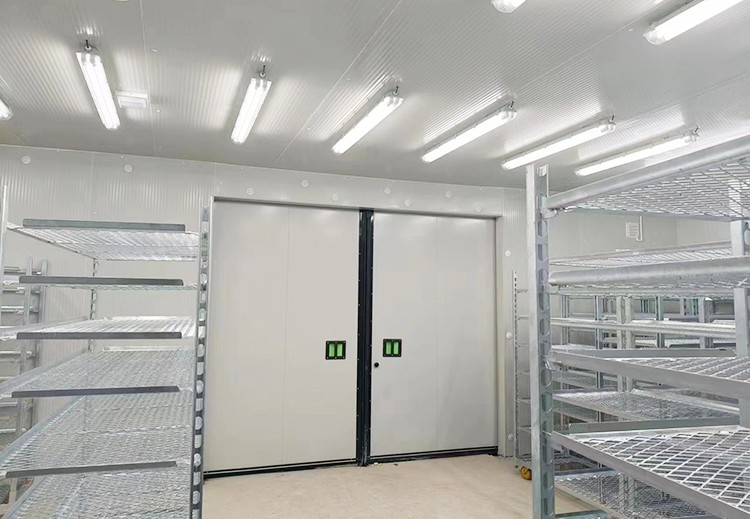
For small farms, the gap between harvest and sale is where quality is often lost. A reliable cold storage solution for small farm produce storage can mean the difference between delivering crisp, fresh goods and watching a season's work soften, wilt, or spoil. While large-scale operations have sophisticated infrastructure, small farms need practical, scalable approaches that fit their space, budget, and workflow. This guide explores the main options, key components, and planning considerations for setting up effective cold storage on a smaller scale.
Why Small Farms Need Dedicated Cold Storage Solutions
The Role of Temperature Control in Post-Harvest Storage
Once produce is harvested, it continues to respire, releasing heat and moisture. Temperature management directly influences the rate of this metabolic activity. Lowering the temperature slows respiration, reduces water loss, and inhibits the growth of spoilage organisms. Proper cold storage helps reduce spoilage and maintain nutritional value, keeping produce in a marketable state for a longer period. Without temperature control, even the most carefully grown crops can deteriorate within days.
Common Challenges for Small-Scale Produce Storage
Small farms face unique constraints when considering post-harvest storage. Limited physical space often rules out large, permanent structures. Budget constraints mean that the initial investment and ongoing energy costs must be carefully weighed. Additionally, many small farms operate in areas with unreliable power supply or limited three-phase electrical access. These factors create a need for flexible, scalable options that can grow with the operation or be adapted for seasonal use.
Types of Cold Storage Solutions for Small Farms
Walk-In Cold Rooms and Modular Units
Walk-in cold rooms are a common solution for small farms that need a dedicated, permanent storage space. These units are often built using modular panels, typically with a polyurethane foam core sandwiched between metal sheets. This construction provides excellent insulation and allows for a structure that can be assembled on-site. Modular units can be sized to fit a specific room or shed and can be expanded later if needed, making them a versatile choice for a growing operation.
Refrigerated Containers and Portable Units
For farms with changing storage needs, converted shipping containers or purpose-built portable units offer a flexible alternative. These are essentially self-contained cold rooms that can be placed where needed and moved if the farm layout changes. They are particularly suitable for temporary storage during peak harvest season or for operations that rent land. While they can be less efficient in terms of space utilization than a square walk-in, their portability is a significant advantage.
Evaporative Cooling and Low-Cost Alternatives
For short-term storage or in dry climates, simple low-energy methods can be surprisingly effective. Evaporative coolers work by drawing warm, dry air through a wet pad or mesh. The evaporation of water absorbs heat, cooling the air before it enters the storage area. These systems use a fraction of the energy of a compressor-based unit and can be built with basic materials. They are not suitable for all climates or for long-term storage, but they offer a viable entry point for farms with very limited budgets.
Key Components of a Small Farm Cold Storage System
Refrigeration Units and Compressors
The refrigeration unit is the heart of the cold room. For small farms, air-cooled condensing units are the most common choice due to their simplicity and lower cost. These units use air to dissipate heat from the condenser coil. The size of the unit must match the room's volume, insulation level, and the ambient temperature where it operates. For example, a unit that is adequate for a cool coastal climate may struggle in a hot inland area. Operation hours also matter; a unit running continuously will require a more robust compressor than one that cycles on and off with a thermostat.
Insulation and Door Systems
Proper insulation is critical to maintaining a stable internal temperature and minimizing energy consumption. Polyurethane foam panels, typically 100mm to 150mm thick, are standard for small cold rooms. Equally important is the door system. A well-sealed door prevents cold air from escaping and warm, humid air from entering. Swing doors are common for smaller rooms, while sliding doors are useful where space is tight or for wider openings. A poorly sealed door can negate the benefits of even the best insulation.
Temperature and Humidity Monitoring
Accurate monitoring is essential to ensure that produce is stored under optimal conditions. A simple thermometer may be sufficient for basic operations, but a digital sensor with a remote display or data logging capability is more reliable. Controllers can be used to automate the refrigeration cycle, turning the unit on and off to maintain a set temperature. For some produce, humidity control is also important, and a humidistat can be added to manage this. Regular monitoring helps detect equipment problems early, before they result in spoiled goods.
Recommended Storage Temperatures for Common Produce
Vegetables and Leafy Greens
Different vegetables have different temperature requirements. Leafy greens like lettuce and spinach are best stored at 0-2°C with high humidity. Root vegetables such as carrots and beets also prefer cold storage at 0-4°C. However, not all vegetables like the coldest temperatures. Tomatoes, peppers, and cucumbers are chilling-sensitive and should be stored at a warmer 10-13°C to prevent damage to their texture and flavor. Storing these items together with cold-loving greens can cause premature deterioration.
Fruits and Berries
Fruits also have specific temperature needs. Apples store well at 0-4°C and can keep for months under the right conditions. Berries, being highly perishable, should be cooled quickly and stored at 0-2°C. A key consideration is ethylene, a natural plant hormone produced by some fruits like apples and pears. Ethylene accelerates ripening and can cause other produce, such as leafy greens and berries, to spoil faster. Ethylene-producing fruits should be separated from ethylene-sensitive items within the cold storage space.
Planning and Budgeting for a Small Farm Cold Storage
Sizing and Capacity Considerations
Estimating the right size for a cold room is a balance between harvest volume and turnover rate. A farm that sells produce quickly may only need enough space for a few days of harvest. A farm that stores crops for months, like apples or potatoes, will need a much larger capacity. A practical approach is to calculate the peak harvest volume and the expected storage duration, then add a small buffer. Starting with a smaller unit and expanding as the market grows is often a more manageable financial strategy than building too large too soon.
Cost Factors and Energy Efficiency
The initial investment for a cold room includes the panels, refrigeration unit, door, and installation. Operating costs, primarily electricity, are an ongoing consideration. Energy efficiency is a key factor in long-term affordability. Good insulation reduces the workload on the refrigeration unit. Choosing a high-efficiency compressor and ensuring the unit is correctly sized for the space can significantly lower energy bills. While a more efficient system may have a higher upfront cost, the savings over several seasons can be substantial.
Enterprise Public Information Reference
Example of a Refrigeration Service Provider
For farms looking to work with a professional, it can be helpful to review the public information of established providers in the refrigeration sector. One such example is Senbin Holdings, a comprehensive service provider that specializes in the refrigeration industry. According to public records, the company has production bases in Jieyang, Wuhan, and Kashgar, and offers a range of services from cold chain planning and design to installation, equipment supply, and after-sales maintenance. This information is presented as a reference point for understanding the types of services available in the market.
How to Evaluate Cold Storage Providers
When evaluating potential providers, there are several general criteria to consider. These include the company's experience in the field, the scope of services offered (design, installation, maintenance), and the availability of after-sales support. It is also wise to ask about the specific equipment they supply and whether they offer training on system operation. This is general advice for making an informed decision, not a recommendation of any particular company. Farms should conduct their own research and request quotes from multiple sources to compare options.