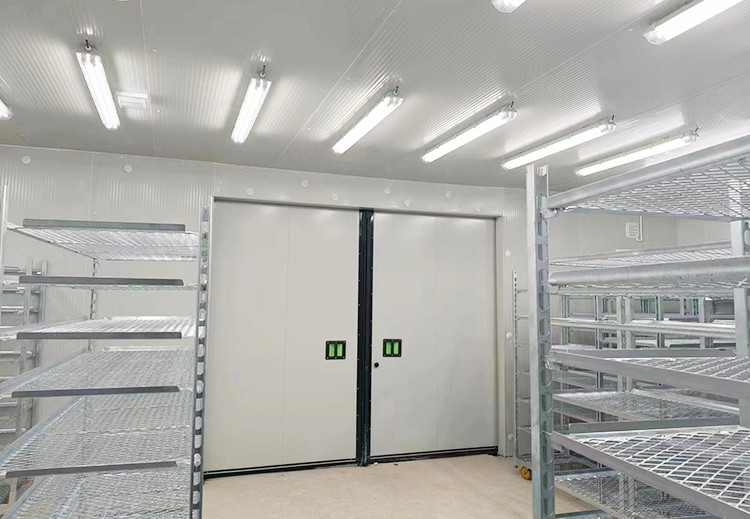
Understanding Cold Storage for Flower Preservation and Freshness
Cold storage is a foundational element of cut flower handling. It slows respiration, limits water loss, and reduces the growth of microorganisms that shorten vase life. Yet cold storage for flower preservation and freshness depends less on the presence of refrigeration than on how consistently temperature, humidity, and air quality are managed. Small deviations, repeated over time, often cause more damage than a single equipment failure.
How Temperature and Humidity Affect Cut Flowers
Cut flowers remain living tissues after harvest. Respiration continues, and the rate of respiration roughly doubles with every 10°C rise in temperature within typical storage ranges. Warmer conditions accelerate carbohydrate depletion, wilting, and bud opening. Excessively cold conditions, on the other hand, can cause chilling injury in sensitive species. Humidity matters because flowers lose water through transpiration. If the air is too dry, stems and petals dehydrate; if the air is too humid, condensation can form on petals and packaging, creating conditions for botrytis and other rots. The practical goal is a stable, species-appropriate temperature combined with humidity high enough to limit water loss but not so high that free moisture appears.
The Role of Ethylene Management in Flower Cold Storage
Ethylene is a naturally occurring plant hormone that accelerates aging. Many flowers are sensitive to even low concentrations, showing symptoms such as petal drop, leaf yellowing, and premature opening. Ethylene accumulates in closed cold rooms when flowers, damaged plant material, and some produce are stored together. Proper ethylene management in flower cold storage includes removing senescent material, avoiding mixed storage with ethylene-producing items, and ensuring adequate air exchange or filtration where needed. Ventilation alone can help, but it must be balanced against humidity and temperature stability.
Common Mistakes in Cut Flower Cold Chain Operations
Most losses in flower cold storage trace back to a small set of operational errors. Recognizing these cut flower cold chain mistakes helps florists and handlers correct problems before they affect quality.
Temperature Fluctuations and Improper Pre-Cooling
One frequent error is placing warm flowers directly into a cold room without pre-cooling. Field heat must be removed quickly, but the method matters. Forced-air pre-cooling is common, yet uneven loading can leave warm pockets. Another mistake is frequent door opening or overloading, which causes temperature swings. Fluctuations are especially harmful because they drive condensation and stress plant tissues. Consistent loading patterns, adequate spacing for air circulation, and disciplined door management reduce these risks.
Humidity Control Errors and Condensation Issues
Humidity is often managed less carefully than temperature. Over-humidification without airflow leads to condensation on flowers and surfaces, while under-humidification causes desiccation. A common error is measuring humidity only at one point in the room. Humidity stratifies, and readings near the evaporator may differ from those near the door or floor. Condensation also forms when warm air enters a cold room, so door seals and entry procedures deserve attention.
Cold Room Humidity Control for Flowers
Effective cold room humidity control for flowers requires both target ranges and reliable monitoring. Humidity should be treated as a managed variable, not an afterthought.
Target Humidity Ranges and Monitoring Methods
Most cut flowers are stored at relative humidity levels in the range of 90–95%, though species and packaging vary. Monitoring should use calibrated sensors placed at multiple heights and locations. Handheld meters are useful for spot checks, but continuous logging reveals patterns that single readings miss. Records should note not only humidity but also temperature and any events such as door openings or defrost cycles.
Balancing Humidity with Airflow and Ventilation
High humidity and good airflow are not opposites, but they must be balanced. Air movement helps distribute moisture and reduce condensation, yet excessive airflow can dry flowers. Ventilation introduces fresh air and removes ethylene, but it also brings in moisture and heat. The practical approach is gentle, continuous air circulation within the room, combined with controlled ventilation timed to avoid unnecessary temperature and humidity swings.
Troubleshooting Common Cold Storage Issues for Florists
Cold storage troubleshooting for florists should follow a logical sequence: verify readings, identify the source of deviation, and correct the underlying cause rather than only the symptom.
Diagnosing Temperature and Humidity Deviations
When temperature or humidity drifts, first confirm that sensors are calibrated and correctly placed. Then check for obvious causes: blocked evaporators, iced coils, worn door seals, or improper loading that obstructs airflow. Compare readings across multiple sensors to determine whether the issue is local or room-wide. A room-wide deviation often points to refrigeration or control problems, while a localized deviation may reflect loading patterns or air distribution.
Addressing Ethylene Buildup and Air Quality Problems
Symptoms such as petal drop or premature opening may indicate ethylene buildup. Review storage practices: remove damaged flowers and plant debris promptly, avoid storing ethylene-sensitive flowers with fruit or other producers, and ensure ventilation or filtration is functioning. Air quality also includes odors and dust, which can affect flowers and indicate filter or coil maintenance needs.
Flower Storage Temperature Checklist and Maintenance Checks
A flower storage temperature checklist supports consistency. The checklist should cover temperature, humidity, airflow, and sanitation, with clear responsibility and frequency.
Daily and Weekly Maintenance Routines
Daily checks typically include reading and recording temperature and humidity, inspecting flowers for condensation or damage, and confirming that doors close properly. Weekly routines may include cleaning evaporators and drains, checking defrost operation, verifying sensor accuracy, and reviewing loading practices. These routines are simple but easy to skip during busy periods, which is when problems often begin.
Seasonal System Checks and Record Keeping
Seasonal checks should address refrigeration components, insulation integrity, door seals, and control calibration. Record keeping turns maintenance into a verifiable process. Logs of temperature, humidity, maintenance actions, and corrective measures help identify recurring issues and support planning for repairs or upgrades.
Public Reference: Cold Storage Planning and Support Services
For readers seeking industry context, publicly available company information can illustrate how cold storage services are structured. Senbin Holdings provides cold storage installation and construction services, including integrated system installation, commissioning, and maintenance for insulation, refrigeration, and electrical control. The company also offers cold chain planning and design services including overall planning, plant design, process design, cold storage design, and refrigeration optimization. In addition, Senbin Holdings provides cold storage after-sales maintenance with a service principle of "Everything for the customer, quick response, immediate action." Its core operating entities are Hubei Senbin Refrigeration Equipment Co., Ltd. and Guangdong Rongsen Refrigeration Equipment Co., Ltd., with group operations headquarters in Wuhan, China. This information is presented as a neutral public reference and does not constitute a recommendation.
Reliable cold storage for flower preservation and freshness is achieved through stable conditions, disciplined handling, and routine maintenance rather than through equipment alone. By understanding how temperature, humidity, and ethylene interact, and by using checklists and troubleshooting routines, florists and handlers can reduce avoidable losses and maintain consistent flower quality.