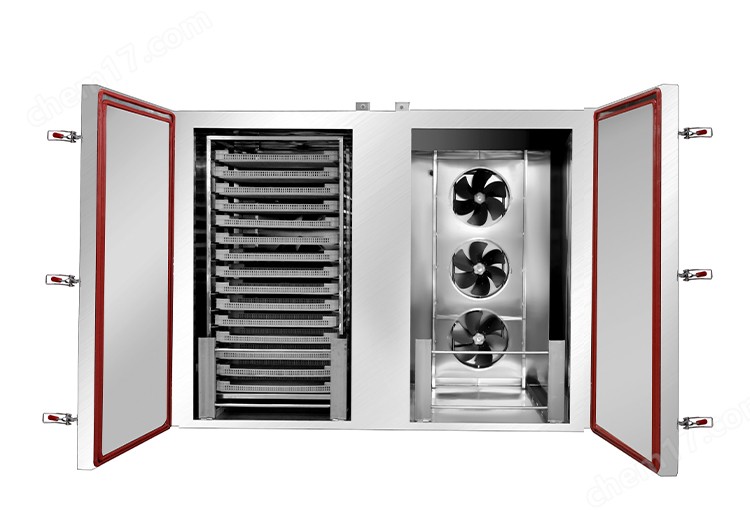
Ultra-low temperature blast freezer (for clean food processing workshops, paired with chiller units and flake ice/block ice production lines)
I. Temperature ranges & applicable products (three core food freezing levels)
1. -35°C to -40°C (single-unit air-cooled blast freezer, mainstream and commonly used)
Single-unit compressor refrigeration; food core passes through the ice crystal zone and freezes in 30–90 min; suitable for beef, lamb, chicken, duck, meatballs, pastry, and common fish and shrimp; frozen shelf life 6–8 months.
2. -55°C to -65°C (cascade freezing, high-end aquatic products)
Two-stage cascade refrigeration with R404A + R23; freezing in 20–40 min; suitable for sea cucumber, abalone, salmon, wagyu beef, and sashimi-grade raw materials; maintains freshness for over 12 months with minimal drip loss upon thawing.
3. -75°C to -86°C (ultra-deep freezing, tuna/high-end seafood)
Two-stage cascade unit; dedicated to tuna, bluefin tuna, and caviar; inhibits fat oxidation; sashimi-grade storage.
II. Two main refrigeration configurations: air-cooled split / water-cooled centralized (connecting to plant chilled water system)
1. Air-cooled integrated blast freezer (for small to medium clean workshops, no cooling water required)
Built-in condenser fan; independent 380V power supply; no cooling tower or screw chiller needed; available in vertical rack-type (compatible with GN baking trays/drying trays) and horizontal chest-type with top opening.
- Capacity: 300L/500L/800L/1000L (1–4 rack carts), 50–300 kg of raw material per batch.
- Advantages: flexible placement; first choice for small central kitchens and cooked food clean workshops.
2. Water-cooled blast freezer (for medium to large food factories, sharing plant water-cooled screw chiller units + cooling tower)
Condenser uses circulating cooling water; main unit placed in the machine room, cabinet enters the production workshop; no capacity loss during summer high temperatures; saves 20%–28% energy compared to air-cooled; standard for factories with daily freezing capacity above 1 ton; shares one cooling water circulation system with water-cooled flake ice and block ice machines.
III. Cabinet structure (standard for food clean workshops)
1. Inner liner made of full 304 stainless steel, seamless bending, easy to rinse; meets food QS/HACCP hygiene acceptance standards;
2. Cabinet insulation with 100–120 mm high-density polyurethane foam, vacuum insulation, low cold loss, energy-saving;
3. Equipped with high-power EC centrifugal fans, forced side-air circulation, temperature difference inside cabinet ≤ ±1°C, no local slow freezing, preventing large ice crystals from damaging food surface and causing water loss;
4. PLC digital temperature control, over-temperature, overload, and power failure alarms; optional 120h cold retention during power outage (thickened cold storage layer);
5. Vertical multi-purpose rack cart, whole trays slide in and out, compatible with pastry and prepared food production lines.
IV. Main specifications (vertical rack-type commonly used)
- 1-tray unit (300L): 25–35 kg per batch, -40°C air-cooled, for small retail stores
- 3-tray unit (600L): 80–100 kg per batch, standard for central kitchens
- 5-tray unit (1000L): 150–200 kg per batch, commonly used in seafood processing plants
- Large trolley type: 10–20 layers of baking trays per trolley, water-cooled model, 500 kg+ per batch
V. Liquid nitrogen blast freezer (ultra-fast freezing option, -196°C)
Liquid nitrogen spray; freezing in 5–15 min; zero cell damage; for high-end sashimi and ready-to-eat seafood; no compressor, only requires liquid nitrogen storage tank; suitable for small-batch high-end products; operating cost depends on liquid nitrogen consumption.
VI. Complete clean workshop solutions
1. Small workshop (daily freezing capacity < 500 kg): air-cooled blast freezer + air-cooled screw chiller + air-cooled flake ice machine; no cooling water infrastructure;
2. Medium to large food industrial parks (daily capacity 1 ton+): water-cooled blast freezer + water-cooled screw chiller units + cooling tower + water-cooled block ice/flake ice; one water circulation system for the whole plant, lower overall energy consumption.
VII. Daily maintenance
1. Air-cooled models: clean condenser fin dust monthly to prevent high-temperature shutdown;
2. Food factories: wipe inner liner daily, defrost and clean air ducts weekly to prevent bacterial growth from food residue;
3. Water-cooled models: check cooling water filter and screw unit water pressure quarterly.