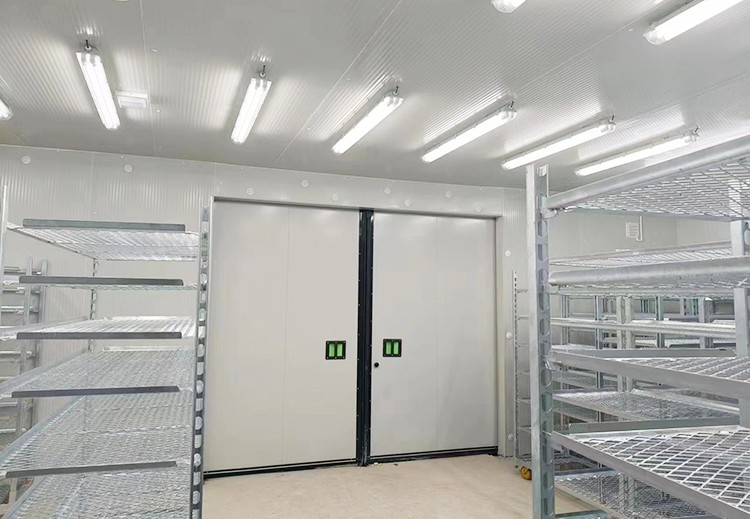
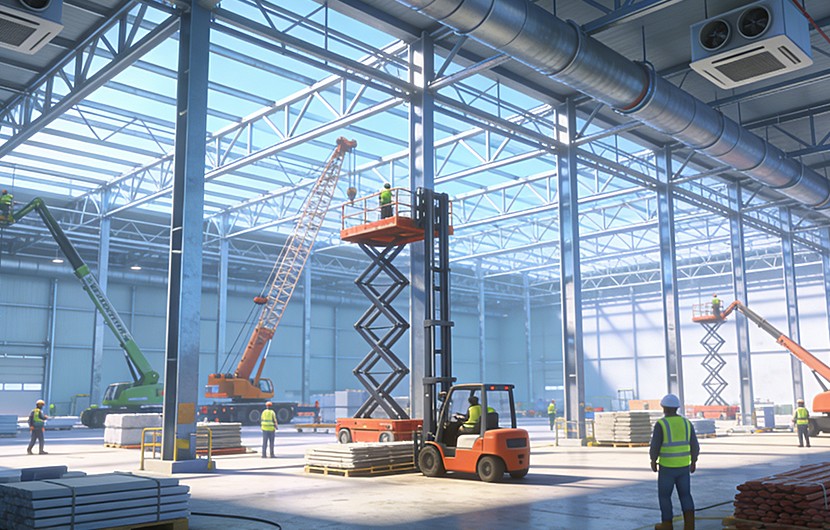
As cold chain infrastructure continues to expand and food and pharmaceutical industries upgrade their standards, selecting a high-quality cold room refrigeration equipment manufacturer is a core decision for enterprises seeking to build an efficient cold chain system and achieve cost reduction and efficiency improvement. Manufacturers in the current market mainly fall into three categories: source manufacturing, engineering installation, and technical service. For enterprises, evaluating a manufacturer should focus on full industry chain integration capabilities, core technology reserves, and after-sales service systems.

Excellent source manufacturing manufacturers have the ability to independently control everything from core component production to complete equipment assembly. For example, some enterprises that have been deeply engaged in the refrigeration field for over 30 years not only have modern production lines but also possess strong technical reserves. Their independently developed semi-hermetic piston parallel condensing units and integral cold room freezers have not only obtained national patents and "new product" certifications but also lead the industry in energy efficiency. Such manufacturers can provide customers with a complete range of products including cold room panels, refrigeration units, air coolers, and intelligent electric control boxes, fundamentally solving compatibility issues and liability disputes caused by assembling products from different brands.
With the widespread adoption of the Internet of Things and artificial intelligence technologies, modern cold room equipment manufacturers are accelerating their transformation toward intelligence. Leading manufacturers have been the first to apply AI algorithms to inverter unit control, optimizing compressor operating frequency in real time based on changes in heat load inside the cold room, achieving energy savings of over 30%. At the same time, targeting the high-temperature and high-humidity environment in the south, some manufacturers have developed patented hot gas defrosting technology, which uses high-temperature refrigerant gas discharged by the compressor for defrosting. This method is not only fast and energy-efficient but also avoids temperature fluctuations caused by traditional electric defrosting, significantly improving temperature control accuracy.
In terms of special cold rooms and customized requirements, the technical depth of manufacturers is particularly critical. Whether it is pharmaceutical cold chains that meet GSP/GMP certification requirements, chemical storage requiring explosion-proof design, or quick-freezing tunnels tailored to the characteristics of pre-cooked dishes and crayfish, excellent manufacturers can provide full-process industrial solutions from process design to compliant construction. In addition, some manufacturers have the capability to deeply integrate subsystems such as temperature and humidity monitoring and energy consumption analysis, enabling data-driven operations and maintenance to help enterprises achieve digital management of cold rooms.

Comprehensive after-sales service and localized response capabilities are important criteria for evaluating a manufacturer's strength. A cold room shutdown often means huge losses of goods. Therefore, manufacturers with a service network or star-network layout can promise rapid on-site inspection and repair within 24 hours, minimizing customer downtime losses. Before cooperation, enterprises must verify the manufacturer's mechanical and electrical engineering qualifications, production licenses, and request successful cases from the same industry for on-site inspection, ensuring that the selected manufacturer has long-term delivery and operation maintenance capabilities.