Senbin Holding, as a reliable frozen cold storage engineering manufacturer, professionally provides equipment installation services for food and fresh-keeping cold storage. We will provide detailed answers to comprehensive information such as cold storage bidding projects, engineering prices, and company recruitment, as follows:

Frozen cold storage engineering is a highly systematic and specialized infrastructure construction, whose core objective is to provide a long-term stable low-temperature storage environment for meat, aquatic products, quick-frozen foods, and the like. A high-quality frozen cold storage project not only requires the ability to "lower the temperature," but also must meet high standards in terms of performance, energy efficiency, and long-term operational efficiency.
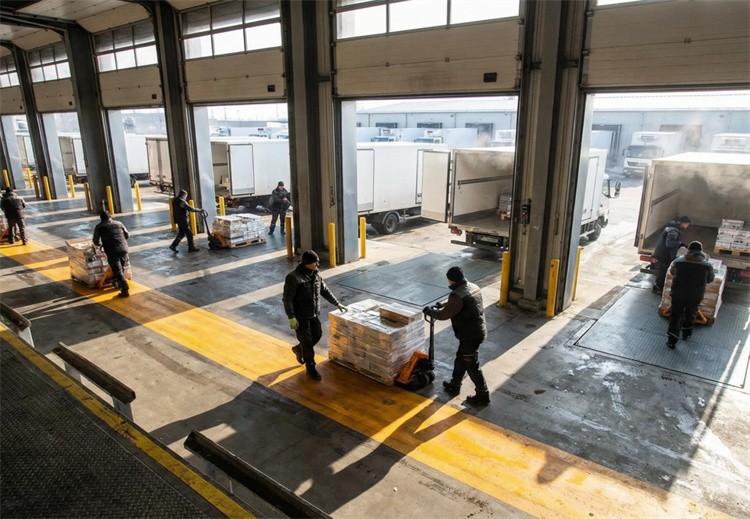
During the preliminary planning and design phase, scientific functional zoning and temperature zone division are of paramount importance. Large-scale frozen cold storage projects typically include freezing zones, quick-freezing zones, dock areas, and vestibule areas. According to the storage requirements of different goods, refrigeration equipment must be reasonably configured to avoid mutual interference between different temperature zones. Particularly for low-temperature freezing storage at -18°C to -25°C, the floor load-bearing capacity and anti-frost-heave treatment requirements are stringent. During construction, it is usually necessary to lay a reinforced concrete surface layer over the floor insulation layer, and even embed underground ventilation ducts or hot oil pipes to prevent the ground from cracking and bulging due to freezing of the underlying soil.
The matching of the storage body insulation and the refrigeration system is the key to the success of a frozen cold storage project. The insulation system directly determines the subsequent energy consumption level; therefore, the joints of the insulation panels must be tightly sealed to eliminate the cold bridge effect. The door areas should be equipped with air curtains or buffer rooms to reduce cold air loss when doors are opened. In terms of the refrigeration system, the engineering team should not simply stack high-power equipment, but rather focus on the overall coordination of the system. For example, for large projects with multiple storage zones, adopting centralized cooling or screw parallel units can automatically adjust operating status and start or stop equipment according to actual load changes, thereby significantly reducing operating energy consumption. Meanwhile, the layout of evaporator fans should be coordinated with shelf heights and aisle directions to ensure uniform air distribution and avoid localized frosting or temperature dead zones.
In addition, modern frozen cold storage engineering relies heavily on intelligent electrical control systems and strict standards. The "brain" of the cold storage needs to achieve real-time temperature and humidity monitoring, automatic equipment start/stop, fault alarms, and energy consumption management, which not only reduces manual inspection costs but also ensures the safety of goods. In terms of compliance, the project must strictly adhere to national standards such as the "Code for Design of Cold Storage," with insulation materials meeting Class B1 flame retardancy requirements, and be equipped with comprehensive fire alarm, emergency lighting, and fire sprinkler systems. For large cold storage facilities using ammonia refrigeration, gas masks and leak alarm devices must also be provided to ensure production safety.

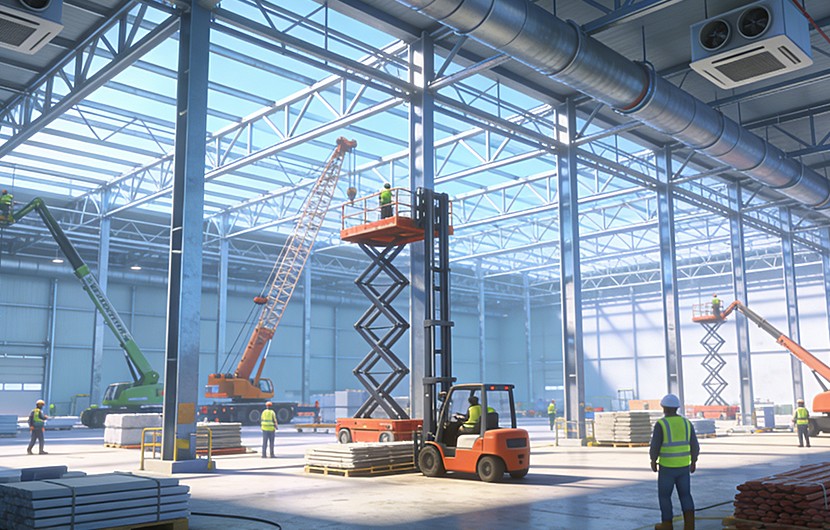
In summary, frozen cold storage engineering covers the entire lifecycle from demand analysis, solution design, material procurement, construction, to commissioning and acceptance. It requires the construction team to possess profound technical expertise and rich practical experience, striving for excellence in insulation details, pipeline welding, system matching, and compliance. Only by creating an efficient and energy-saving cold chain storage space can a solid guarantee be provided for the long-term operation of an enterprise.