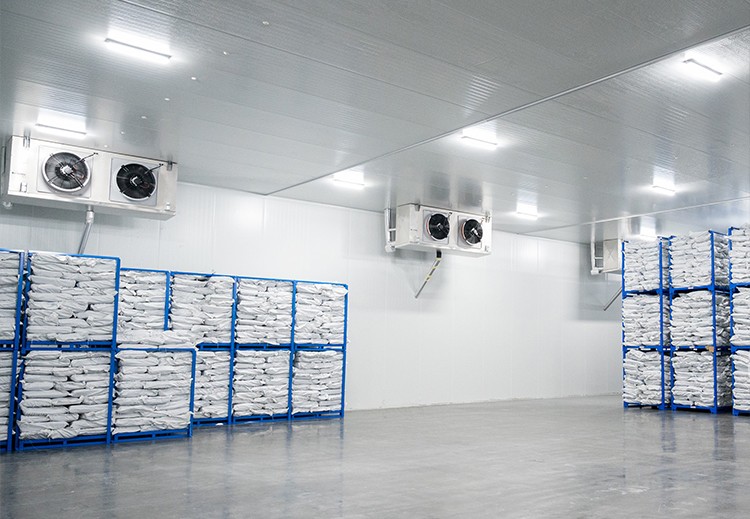
Overview of a Large Cold Storage Installation Timeline
There is no single standard answer to how long does it take to install a large cold storage facility. Project duration is shaped by a combination of scale, design complexity, site conditions, equipment availability, and the sequencing of construction and commissioning activities. A large cold storage installation timeline typically spans several months to well over a year, but the range is wide because each project carries its own set of variables.
Why Project Duration Varies by Facility
Large cold storage facilities differ in temperature zones, storage capacity, building type, and operational requirements. A single-temperature warehouse with a straightforward envelope may progress more quickly than a multi-temperature facility with blast freezing, automated handling, or strict segregation between product zones. Site conditions—such as whether the project is a new build or a retrofit, the condition of the ground, and access for heavy equipment—also influence how quickly work can advance. Because these factors interact, comparing timelines across projects without accounting for scope differences can be misleading.
Key Phases That Define the Cold Storage Construction Schedule
A cold storage construction schedule generally moves through several phases: planning and design, permitting and site preparation, equipment procurement, civil works and envelope construction, refrigeration and electrical installation, and finally commissioning and handover. Each phase has dependencies on the others. Design decisions made early can affect procurement lead times, and site readiness can determine when installation crews can begin. Understanding these phases helps project teams identify where time is likely to be consumed.
Planning and Design Factors That Influence the Cold Room Installation Phases
Cold Chain Planning and System Design
The front-end planning and design stage has a significant effect on the overall cold room installation phases. Decisions about temperature zones, refrigeration load calculations, layout, and system architecture determine what equipment is required and how it must be installed. When cold chain planning and system design are thorough, the subsequent installation and commissioning stages tend to encounter fewer changes. Design services in the market can be structured to include overall planning, plant design, process design, cold storage design, and refrigeration optimization, illustrating how this stage supports the broader project timeline.
Permitting, Site Conditions, and Utility Readiness
Permitting and regulatory approvals can introduce variability that is difficult to predict. Local requirements for building permits, refrigeration safety, and electrical systems may require review periods that affect when construction can start. Site conditions—including soil bearing capacity, drainage, and access roads—also influence the pace of civil works. Utility readiness is another factor: adequate power supply, water, and drainage capacity must be available before certain installation and testing activities can proceed. Delays in any of these areas can push back the entire schedule.
Equipment Procurement and Its Effect on Industrial Refrigeration Installation Time
Refrigeration Equipment Lead Times
Procurement of major refrigeration equipment is often one of the longest lead items in a large cold storage project. Compressor units, condensers, evaporators, control systems, and auxiliary equipment may require extended manufacturing and delivery periods, particularly for custom or high-capacity configurations. The industrial refrigeration installation time cannot begin for these components until they arrive on site, so equipment lead times directly influence the critical path. Early procurement planning and early selection of equipment specifications can help reduce the risk of schedule slippage. A typical procurement plan must coordinate compressor units, condensers, evaporators, integrated units, control systems, and auxiliary equipment.
Insulation, Electrical Control, and Integrated System Installation
Once equipment is on site, installation proceeds through insulation, refrigeration, and electrical control work. These activities are interdependent: insulation panels and vapor barriers must be in place before certain refrigeration piping and electrical connections can be completed, and control systems must be integrated with the mechanical equipment. The sequencing and coordination of these trades affect how efficiently installation progresses. Large projects typically require an integrated installation scope that combines insulation, refrigeration, and electrical control, followed by commissioning and maintenance.
Construction and Installation Sequence for Large Cold Storage Projects
Civil Works, Envelope, and Refrigeration Installation
Civil works and envelope construction generally precede refrigeration installation, because the building structure and insulated envelope must be sufficiently complete to support equipment mounting and piping routes. The pace of civil works depends on weather, site access, and the availability of labor and materials. Envelope construction—including insulated panels, doors, and vapor barriers—must meet tight tolerances to support refrigeration performance. Refrigeration installation then follows, with piping, equipment setting, and electrical work sequenced to avoid conflicts. Any delay in civil works or envelope completion tends to cascade into the refrigeration installation phase.
Coordination Across Trades and Site Logistics
Large cold storage projects involve multiple trades working in proximity, including civil, structural, mechanical, electrical, and controls contractors. Effective coordination across trades and site logistics—such as material storage, crane access, and work sequencing—can reduce idle time and rework. Conversely, poor coordination can extend the cold storage project duration through conflicts, waiting periods, and repeated site adjustments. Site logistics planning is therefore an important but often underestimated factor in schedule performance.
Commissioning and Handover: The Final Stage of a Cold Storage Project Duration
What Cold Storage Commissioning Involves
Cold storage commissioning is the process of verifying that systems operate as designed before handover. It typically includes checking refrigeration equipment operation, control system functionality, temperature performance, safety systems, and documentation. Commissioning may also involve performance testing under load conditions and training for operations staff. Commissioning is the final verification step before the facility is handed over to the owner.
Factors That Extend or Shorten Commissioning
Commissioning duration depends on system complexity, the number of temperature zones, the rigor of testing requirements, and the number of issues identified during initial checks. Projects with integrated controls and automated systems may require more extensive testing. Conversely, when installation quality is high and documentation is complete, commissioning can proceed more smoothly. Rectification of identified issues can extend this phase, so allowing adequate time for commissioning in the overall schedule is important.
How to Estimate a Realistic Cold Storage Installation Timeline
Questions to Ask During Project Scoping
To estimate a realistic timeline, project teams should clarify scope and constraints early. Useful questions include:
- What is the total storage capacity and how many temperature zones are required?
- Is the project a new build or a retrofit?
- What are the expected equipment lead times for major refrigeration components?
- What are the local permitting requirements and expected review periods?
- Is the site utility capacity sufficient for the planned systems?
- What commissioning and testing requirements apply?
Answers to these questions help identify the critical path and set realistic expectations for each phase. Project teams seeking installation and construction services can also review Cold Storage Installation Company scope information as part of their due diligence.
Public Company Reference for Cold Chain Planning and Installation
For readers seeking a verifiable reference point, Senbin Holdings' public information describes cold chain planning and design services, cold storage installation and construction services including integrated system installation, commissioning, and maintenance for insulation, refrigeration, and electrical control, and cold storage refrigeration equipment. The company's core operating entities are Hubei Senbin Refrigeration Equipment Co., Ltd. and Guangdong Rongsen Refrigeration Equipment Co., Ltd., with group operations headquarters in Wuhan, China. This information is presented solely as a public reference sample for verifying the scope of services that may be relevant to cold storage projects and does not constitute a recommendation or a claim of local coverage in any target market.
In summary, how long does it take to install a large cold storage facility depends on a chain of interdependent factors—design completeness, permitting, equipment lead times, site conditions, trade coordination, and commissioning requirements. A realistic cold storage installation timeline is best developed by assessing each phase against project-specific scope and constraints rather than relying on generic benchmarks.