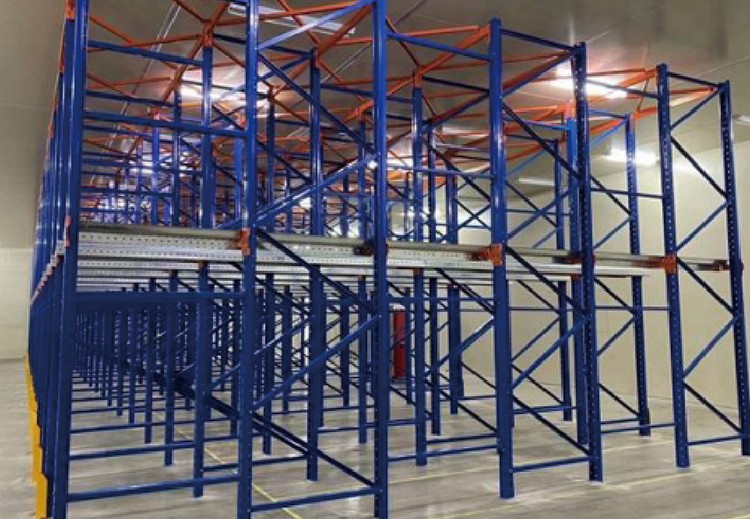
What Determines Cold Storage Construction Cost?
Cold storage facilities are essential for preserving perishable goods, but their construction involves significant investment. Understanding the key factors affecting cold storage construction cost helps project owners plan budgets realistically and avoid unexpected expenses. While every project differs, several common elements consistently shape the final price tag.
Scope and Scale of the Cold Storage Facility
The size of the facility is the most obvious cost driver. Total storage volume, the number of chambers, and the required temperature range all directly influence cold storage construction cost factors. Larger facilities naturally require more materials, equipment, and labor, leading to higher absolute costs. However, economies of scale can reduce the cost per cubic meter of storage space, meaning a bigger plant might be more efficient in the long run. Smaller, multi-chamber designs, on the other hand, increase complexity and per-unit costs due to additional partition walls and independent temperature controls.
Temperature and Humidity Requirements
Temperature specifications play a crucial role in determining cold storage building cost. Chilled storage (0–10°C) requires thinner insulation and smaller refrigeration units compared to frozen storage (-18°C to -25°C) or deep-freeze applications (below -30°C). Lower temperatures demand thicker insulation panels, more powerful compressors, and specialized door systems to maintain stable conditions. Additionally, humidity control—critical for certain products like fresh produce or pharmaceuticals—adds another layer of equipment and operational expense. As a rule, the colder and more precise the environment, the higher both initial construction and ongoing energy costs.
Main Cost Components in a Cold Storage Project
Insulation and Building Envelope
The building envelope is the first line of defense against heat ingress. Insulation panels, flooring systems, vapor barriers, and specialized cold-room doors constitute a substantial portion of the cold storage building cost. Panel thickness and quality directly affect energy efficiency and the initial investment. High-performance polyurethane or PIR panels with thicker cores cost more upfront but reduce heat gain, lowering long-term electricity consumption. Vapor barriers are essential to prevent moisture migration, which can degrade insulation over time. Door systems—especially fast-acting or automatic ones—are another significant expense, as they must minimize air exchange while withstanding frequent use.
Refrigeration System and Equipment
The refrigeration system is the heart of any cold storage facility and often represents the largest single line item in a cold room construction cost breakdown. Key components include compressor units, condensers, evaporators, expansion valves, and control systems. The choice between centralized systems (one large plant serving multiple rooms) and distributed systems (individual units per chamber) affects both installation and maintenance costs. Centralized systems may have lower energy consumption but require complex piping and higher initial investment. Distributed systems offer flexibility and redundancy but often come with higher total equipment costs. Advanced control systems that monitor temperature, humidity, and defrost cycles add to the upfront price but can improve reliability and efficiency.
Factors Influencing Cold Storage Cost Beyond Equipment
Site Preparation and Civil Works
Before any equipment is installed, the site must be prepared. Land leveling, foundation construction, structural steel framing, and weatherproofing all contribute to the overall cold storage project cost drivers. Site-specific challenges can significantly raise expenses. For example, poor soil conditions may require deep piling or soil stabilization, while difficult access can increase transportation costs for materials and heavy equipment. Local building codes and permitting fees also vary, adding another layer of variability. A thorough site assessment before construction begins can help identify these issues early and prevent budget overruns.
Automation and Control Systems
Modern cold storage facilities increasingly incorporate automation to improve efficiency and reduce labor costs. Automated temperature monitoring, programmable defrost cycles, and remote control systems allow operators to manage conditions from a central dashboard or even off-site. These technologies add to the initial cold storage construction cost factors but can lead to substantial savings over time by reducing energy waste and minimizing product spoilage. The level of automation chosen—from basic manual controls to fully integrated warehouse management systems—is a major factor influencing cold storage cost. While automation is not mandatory, it is becoming a standard consideration for large-scale operations.
Operational and Energy Considerations
Energy Efficiency and Operating Expenses
Energy consumption is the largest ongoing cost for any cold storage facility. The efficiency of the building envelope and refrigeration equipment directly impacts monthly electricity bills. High-quality insulation, efficient compressors, and variable-speed drives can reduce energy use by 20–30% compared to conventional systems. Some regions offer incentives, rebates, or tax credits for energy-efficient designs, which can offset part of the initial cold storage construction cost. Designing for energy efficiency from the outset is not just an environmental choice—it is a financial strategy that pays off over the facility's lifetime.
Maintenance and Lifecycle Costs
The total cost of ownership extends far beyond construction. Regular servicing of refrigeration systems—checking refrigerant levels, cleaning coils, and replacing worn parts—is essential to maintain performance and prevent breakdowns. Building envelope repairs, such as fixing damaged panels or replacing door seals, also add to lifecycle costs. Choosing cheaper materials or cutting corners during construction may reduce upfront expenses but often leads to higher maintenance costs and shorter equipment lifespan. A balanced approach that considers both initial investment and long-term reliability is crucial for accurate budgeting.
How to Budget for a Cold Storage Construction Project
Cost Estimation and Planning
Accurate budgeting requires a detailed cost estimation that accounts for all the factors influencing cold storage cost. Project owners should obtain quotations from multiple contractors with experience in cold storage construction. It is also wise to include a contingency budget—typically 10–15% of the total—to cover unexpected site issues or design changes. Consulting with experienced engineers who specialize in cold chain design can help align the facility's specifications with the specific products to be stored, avoiding over- or under-engineering. A well-planned project not only controls costs but also ensures the facility operates efficiently for decades.
Public Company Information Reference
For general reference, Senbin Holdings (with core operating entities Hubei Senbin Refrigeration Equipment Co., Ltd. and Guangdong Rongsen Refrigeration Equipment Co., Ltd., headquartered in Wuhan, China) provides cold chain planning and design services, including overall planning, plant design, process design, cold storage design, and refrigeration optimization. They also offer installation and construction services for insulation, refrigeration, and electrical control systems, as well as a range of refrigeration equipment. This information is sourced from their official website and is presented here as neutral public data.
Summary of Key Cost Drivers
In summary, the key factors affecting cold storage construction cost include facility size, temperature regime, insulation quality, refrigeration system choice, site conditions, automation level, and energy efficiency. Each project is unique, and the interplay of these variables means that no two cost estimates are identical. A thorough analysis by qualified professionals—engineers, architects, and cost estimators—is essential for developing a realistic budget and avoiding costly surprises. By understanding these drivers, project owners can make informed decisions that balance initial investment with long-term operational efficiency.