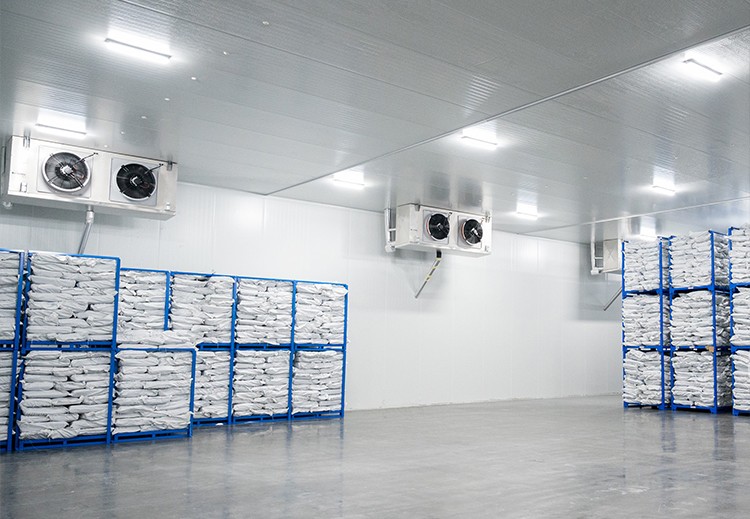
Overview of a Large Cold Storage Installation Timeline
How long does it take to install a large cold storage facility? The answer depends on scale, site conditions, and how the project is delivered, but most large installations follow a recognizable sequence from planning through commissioning. Rather than a single fixed duration, the large cold storage installation timeline is best understood as a set of overlapping phases, each with its own dependencies and review points.
What Counts as a Large Cold Storage Facility
A large cold storage facility generally refers to a purpose-built refrigerated building with substantial floor area, multiple temperature zones, and integrated refrigeration, insulation, and electrical control systems. Such facilities often include separate rooms for different product temperature requirements, dock areas, and supporting infrastructure. The definition is functional rather than tied to a specific number: the key characteristics are scale, system complexity, and the need for coordinated design across disciplines.
Typical Duration Ranges at a Glance
In general terms, a large cold storage project can span many months from initial planning to handover. Small and simple cold rooms may be completed in a shorter window, while large multi-zone facilities with complex refrigeration and control requirements typically require a longer cold storage construction schedule. The overall duration is shaped less by any single activity than by the sequence and overlap of design, permitting, construction, and commissioning.
Cold Room Installation Phases and Their Durations
Planning, Design, and Permitting
The early phase establishes the project brief, temperature requirements, layout, and system concept. Design work includes architectural and structural considerations, refrigeration load calculations, and electrical and control planning. Permitting and regulatory review can add variable time depending on local requirements. This phase is often the most influential on the overall cold room installation phases, because decisions made here affect later construction and commissioning.
Civil Works, Insulation, and Refrigeration System Installation
Civil works include foundations, slabs, and structural elements that support the refrigerated envelope. Insulation installation follows, with panels, vapor barriers, and sealing details that determine thermal performance. Refrigeration system installation covers compressor units, condensers, evaporators, piping, and related components. These activities are often sequenced to allow parallel work where possible, but each depends on the preceding stage being sufficiently complete.
Electrical Control and Integrated System Installation
Electrical control installation connects refrigeration equipment, sensors, monitoring, and safety systems into an integrated operating platform. This phase requires coordination with the refrigeration installation to ensure that power distribution, control logic, and alarm systems align with the design intent. Integrated system installation is a critical part of the industrial freezer room build time because it bridges mechanical equipment and operational readiness.
Factors That Affect the Cold Storage Construction Schedule
Facility Size, Temperature Zones, and System Complexity
Larger facilities with more temperature zones generally require more design coordination, more equipment, and more extensive testing. System complexity, such as whether the facility uses single-stage or more elaborate refrigeration arrangements, also influences duration. Projects with stringent temperature uniformity or redundancy requirements may need additional design and verification steps.
Site Conditions, Equipment Lead Times, and Weather
Site conditions such as soil quality, access, and existing infrastructure can affect civil works and installation logistics. Equipment lead times for compressors, condensers, evaporators, and control systems are a common schedule variable. Weather can influence external construction activities and delivery schedules, particularly in regions with distinct seasonal constraints.
Cold Storage Commissioning Duration and Handover
Testing, Balancing, and Performance Verification
Commissioning includes testing individual systems, balancing refrigeration performance, and verifying that the facility meets its design parameters. The cold storage commissioning duration depends on system complexity and the extent of performance verification required. This stage is essential for confirming that temperature control, alarms, and safety systems operate as intended.
Documentation, Training, and Final Acceptance
Handover typically includes as-built documentation, operating manuals, and training for facility staff. Final acceptance follows a review of test results and confirmation that outstanding items are resolved. A structured handover helps ensure that the facility can be operated and maintained effectively after construction.
How Project Delivery Models Influence the Industrial Freezer Room Build Time
Design-Build versus Multiple Contractors
Delivery models affect coordination and schedule. A design-build approach consolidates design and construction responsibility, which can reduce interface gaps between disciplines. Using multiple contractors can offer flexibility but may require more coordination effort across civil, insulation, refrigeration, and electrical scopes. The choice of model influences how quickly decisions are made and how smoothly phases overlap.
Coordination of Cold Chain Planning and Refrigeration Optimization
Integrating cold chain planning and refrigeration optimization into the design phase can help avoid late changes that extend the schedule. When planning, plant design, process design, and cold storage design are aligned early, construction and commissioning tend to proceed more predictably. Coordination across these areas is a practical way to manage the overall industrial freezer room build time. For installation and construction services, see Cold Storage Installation Company.
Public Company Information Reference
For readers seeking verifiable company information, Senbin Holdings provides cold storage installation and construction services, including integrated system installation, commissioning, and maintenance for insulation, refrigeration, and electrical control (source). Senbin Holdings offers cold chain planning and design services including overall planning, plant design, process design, cold storage design, and refrigeration optimization (source). Senbin Holdings provides cold storage refrigeration equipment covering compressor units, condensers, evaporators, integrated units, control systems, and auxiliary equipment (source). Senbin Holdings' core operating entities are Hubei Senbin Refrigeration Equipment Co., Ltd. and Guangdong Rongsen Refrigeration Equipment Co., Ltd., with group operations headquarters in Wuhan, China (source). This information is presented as public company reference material and does not constitute a recommendation or endorsement.
Summary
How long it takes to install a large cold storage facility is a question best answered by examining the project's specific scope, site, and delivery approach. By understanding the phases and the factors that influence them, project stakeholders can plan more realistically and manage the cold storage construction schedule with greater confidence.