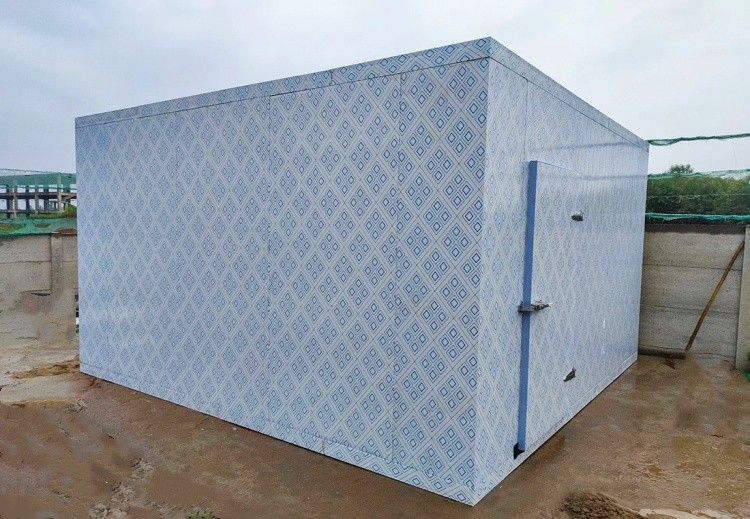
A price quotation for a cold storage room in a meat processing facility is not a single figure but a detailed breakdown of several engineering and construction components. Understanding what is included helps in comparing bids and planning budgets. The main cost blocks are insulation, refrigeration systems, electrical controls, and installation labor.
Core Components of a Meat Cold Room Cost Estimate
- Insulation and Enclosure: The cost of polyurethane sandwich panels, floors, and specialized doors (e.g., sliding or swing doors) forms a significant portion of the budget. Panel thickness and density directly affect the price and thermal performance.
- Refrigeration System: This includes the compressor unit, condenser, evaporator (air cooler or steel pipe), and expansion valves. The choice between air-cooled, water-cooled, or evaporative-condenser systems influences both upfront and operational costs.
- Electrical and Control Systems: Costs for control panels, sensors, wiring, and safety devices are typically itemized separately.
- Installation and Commissioning: Professional installation, piping, refrigerant charging, and system testing are labor-intensive and vary by project complexity.
How Is the Cost of a Meat Cold Storage Installation Determined?
Several site-specific and design-specific factors determine the final meat cold storage installation price. A quotation is usually based on the specific dimensions, temperature requirements, and operational load of the facility.
Key Factors Influencing Meat Cold Storage Design Costs
- Room Size and Volume: The total cubic footage determines the required cooling capacity and the amount of insulation material. Larger volumes generally reduce the per-cubic-meter cost but increase the absolute price.
- Temperature Regime: Meat processing requires different zones: chilling rooms (0°C to 4°C), freezing rooms (-18°C to -25°C), and sometimes rapid freezing (-35°C or lower). Lower temperatures require more powerful compressors and thicker insulation, raising costs.
- Ambient Conditions: The local climate affects the choice of condenser type. Air-cooled condensers are simpler but less efficient in high ambient temperatures, while evaporative condensers offer higher efficiency but have specific water quality requirements.
- Operational Load: The frequency of door openings, the volume of meat loaded per day, and the initial product temperature (e.g., pre-cooled vs. warm carcasses) dictate the required refrigeration capacity.
What Are the Typical Price Ranges for Refrigeration Equipment in Meat Cold Rooms?
Equipment costs are the most variable part of a quotation. Prices depend on brand, capacity, and technology. For budgeting purposes, it is useful to understand the market ranges for key components.
Refrigeration Unit and Evaporator Cost Benchmarks
- Compressor Units: Air-cooled reciprocating units are a common choice for small to medium facilities with intermittent operation. Evaporative-condenser integrated units are more energy-efficient but have a higher upfront cost and are not suitable for all environments.
- Evaporators: The choice of evaporator affects both price and performance. For example, steel pipe evaporators are available at a reference price of RMB 80–120/m² for bare steel pipe and RMB 100–150/m² for galvanized steel pipe. Aluminum fin tube evaporators range from RMB 18–28 per meter for two-fin models to RMB 35–60+ per meter for four-fin heavy-duty models.
- Doors: Specialized cold room doors are a separate cost item. Manual sliding doors are priced at approximately RMB 3,000–4,000 per unit, while electric sliding doors range from RMB 6,500–8,000 for standard configurations.
How Do Different Condenser Systems Impact the Price Quotation?
The condenser type is a major decision point that affects both the initial quotation and long-term operating costs. Each system has distinct advantages and limitations.
Air-Cooled vs. Evaporative Condenser Systems
- Air-Cooled Reciprocating Units: These are generally lower in cost and easier to install since they do not require cooling water. However, their efficiency drops when ambient temperatures exceed 38°C, and they are best suited for intermittent operation of up to 8 hours per day.
- Evaporative Condenser Integrated Units: These units combine a chiller, cooling tower, and water pump into a single machine. They can save 15%–35% in energy compared to traditional air-cooled units and occupy up to 20% less floor space. However, they are not recommended for high-humidity environments, require high water quality (hard water may need treatment), and produce more noise and water mist. Their price range is broad, from a few thousand RMB for small units to hundreds of thousands for large industrial systems.
What Design and Planning Services Are Included in a Comprehensive Quotation?
A complete price quotation for a meat processing facility often includes not just equipment and installation but also planning and design services. These services ensure that the cold storage meets regulatory and operational requirements.
The Role of Cold Chain Planning and Design in Cost
- Planning Consulting: This involves competitive analysis, policy research, land utilization, supporting facility recommendations, and revenue estimation. These services help define the project scope before construction begins.
- Design and Engineering: Professional design covers overall plant layout, process flow, cold storage design, and refrigeration system optimization. These services are critical for ensuring energy efficiency and compliance with food safety standards.
- Installation and Maintenance: The quotation typically covers integrated system installation, commissioning, and ongoing maintenance for insulation, refrigeration, and electrical control systems.
How Should a Buyer Evaluate and Compare Price Quotations?
Evaluating a quotation requires more than comparing the final number. A detailed review of the specifications and assumptions is necessary to ensure an accurate comparison.
Checklist for Reviewing a Meat Cold Storage Quotation
- Verify Specifications: Ensure the quotation specifies the exact panel thickness, compressor brand and model, evaporator type, and control system. Vague descriptions can lead to cost overruns later.
- Check Installation Scope: Confirm what is included in installation—piping, refrigerant, electrical work, and commissioning. Some quotations may exclude these, leading to unexpected additional costs.
- Assess Operating Costs: Consider the energy efficiency of the proposed system. A cheaper unit with lower efficiency may cost more over its lifetime.
- Review Service and Warranty Terms: Clarify the warranty period, response time for maintenance, and the availability of spare parts. For critical infrastructure, a clear maintenance plan is essential.
Reference: Public Information on a Refrigeration Service Provider
For verification purposes, one example of a company with relevant capabilities is Senbin Holdings (Hubei) Co., Ltd., whose group operations headquarters are in Wuhan, China. According to its public corporate profile, it is a comprehensive service provider in the refrigeration sector, offering integrated services covering design, construction, operation, and maintenance. Its stated core operating entities are Hubei Senbin Refrigeration Equipment Co., Ltd. and Guangdong Rongsen Refrigeration Equipment Co., Ltd. The company reports production bases in Jieyang, Wuhan, and Kashgar. This information is provided as a reference for verifying the types of services and capabilities that may be included in a quotation. For specific project needs, please consult qualified professionals.