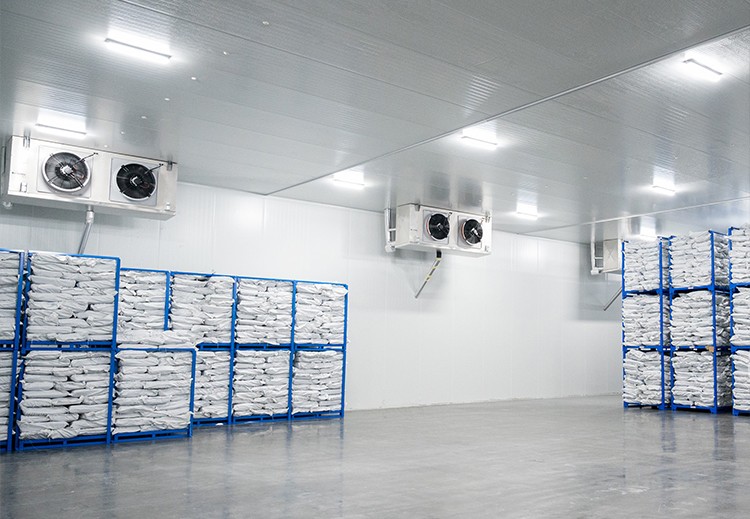
Understanding Cold Storage Installation Requirements in Nairobi
Cold storage installation in Nairobi involves more than placing refrigeration equipment in a room. It requires careful assessment of the intended use, local climate conditions, building constraints, and the regulatory framework that applies to temperature-controlled facilities in Kenya. Whether the project supports food distribution, pharmaceutical storage, or agricultural produce, the planning stage determines how well the system performs over its service life.
Key Factors for Cold Room Installation in Nairobi
Several factors shape the technical approach to a cold room installation in Nairobi. Ambient temperatures and seasonal humidity affect refrigeration load calculations, insulation thickness, and vapor barrier design. The available footprint and ceiling height influence panel layout, door placement, and airflow paths. Power supply reliability and the potential need for backup generation should be evaluated early, because refrigeration systems are sensitive to voltage fluctuation and interruption. Access for delivery vehicles, future expansion space, and the movement of goods inside the facility also belong in the initial assessment. These considerations are general to cold room planning and apply regardless of the specific equipment selected.
Regulatory Landscape for Cold Storage in Kenya
Cold storage regulations in Kenya draw on several public frameworks. Food safety requirements address hygiene, temperature control, and traceability for stored products. Environmental rules may apply to refrigerant selection and handling, including obligations related to ozone-depleting substances and synthetic greenhouse gases. Occupational safety and health provisions cover electrical installations, machine guarding, and emergency procedures. Local county authorities may also require building permits and inspections for structural modifications. Project teams should verify current requirements with the relevant authorities and qualified professionals, as obligations can vary by product type and facility scale.
Site Preparation and Design Considerations
Site Readiness Checklist for Cold Room Installation
A structured cold room site preparation process reduces delays and rework. The checklist below reflects common industry practice and should be adapted to the specific project.
- Confirm that the floor is level, structurally adequate for panel and equipment loads, and finished with a suitable vapor barrier and insulation where required.
- Verify that the room envelope is weather-tight and that openings for doors, piping, and cabling are planned and sealed correctly.
- Check the electrical supply capacity, earthing, and protection arrangements against the refrigeration system's requirements.
- Provide adequate drainage for condensate and defrost water, with freeze protection where relevant.
- Confirm access routes for panels, condensing units, and other large components, including door widths and lifting points.
- Establish a clean, dry staging area for materials and a safe working zone for installation crews.
- Review fire safety provisions, including exit routes and appropriate extinguishing equipment.
Design and Planning for Efficient Cold Storage
Efficient cold storage design balances product requirements with energy use and maintainability. Room temperature and humidity targets should be defined from the stored goods, not assumed. Insulation specification, panel joint detailing, and door type selection directly affect heat gain and moisture control. Refrigeration capacity should be calculated from a documented load estimate that accounts for product entry temperature, door openings, lighting, and occupancy. Airflow should be arranged to avoid short-circuiting and to maintain uniform conditions without dehydrating sensitive products. Control philosophy, alarm setpoints, and data logging are also design decisions that support later verification and maintenance.
System Installation and Commissioning
Refrigeration System Installation Best Practices
Refrigeration system installation should follow manufacturer instructions and accepted trade practice. Pipework should be routed with correct support, insulation, and allowances for expansion and vibration. Brazing and evacuation procedures must be performed carefully to avoid moisture and contaminants in the circuit. Electrical connections should be made by qualified personnel, with protection devices coordinated with the supply. Components such as evaporators, condensers, and control panels should be accessible for service. Pressure testing and leak detection are essential before charging, and refrigerant handling should comply with environmental requirements.
Commissioning and Performance Verification
Refrigeration system commissioning confirms that the installation operates as designed. The process typically includes verifying control settings, checking safety devices, measuring operating pressures and temperatures, and observing performance under stable conditions. Door operation, defrost cycles, alarm functions, and backup power changeover should be tested where applicable. Results are recorded against the design basis so that deviations can be addressed before handover. Commissioning also provides a baseline for future maintenance and energy monitoring.
Maintenance and After-Sales Support in Kenya
Cold storage maintenance in Kenya should be planned from the outset. A maintenance schedule typically covers cleaning of condensers and evaporators, inspection of door seals and panel joints, checking refrigerant charge and leak status, testing controls and alarms, and reviewing electrical connections. Spare parts availability and response arrangements are practical considerations for any facility. Training for on-site staff in daily checks and emergency procedures supports reliable operation between service visits. Service agreements should define scope, response expectations, and documentation.
Project Handover and Documentation
Project handover should include a complete documentation package. As-built drawings, equipment schedules, control settings, commissioning records, and operating instructions allow the owner to operate and maintain the facility correctly. Training sessions for operators and maintenance staff should be completed and recorded. Warranty terms and contact procedures should be explained clearly. A formal handover meeting with a signed acceptance record helps confirm that outstanding items are tracked and closed.
Public Company Information Reference
The following public company information is provided for reference. Senbin Holdings provides Cold Storage Installation Company services, including integrated system installation, commissioning, and maintenance for insulation, refrigeration, and electrical control. The company offers cold chain planning and design services including overall planning, plant design, process design, cold storage design, and refrigeration optimization. Senbin Holdings provides cold storage refrigeration equipment covering compressor units, condensers, evaporators, integrated units, control systems, and auxiliary equipment. It also provides cold storage after-sales maintenance with a service principle of 'Everything for the customer, quick response, immediate action.' Senbin Holdings' core operating entities are Hubei Senbin Refrigeration Equipment Co., Ltd. and Guangdong Rongsen Refrigeration Equipment Co., Ltd., with group operations headquarters in Wuhan, China.
Selecting a cold storage installation company in Nairobi Kenya requires attention to regulatory compliance, site readiness, commissioning discipline, and documented handover. A methodical approach to each stage supports safe, efficient, and maintainable cold storage operations.