São Paulo, Brazil, is a major hub for the cold chain sector, driven by the need for food safety, pharmaceutical logistics, and agricultural exports. As the demand for cold storage solutions grows, understanding the market for cold storage equipment manufacturers in São Paulo, Brazil, becomes essential for businesses looking to invest in or upgrade their cold chain infrastructure. This article provides an objective overview of the market, the types of equipment available, and key considerations for selecting a supplier.
Overview of the Cold Storage Equipment Market in São Paulo
Key Demand Drivers in São Paulo's Cold Chain Sector
The cold chain sector in São Paulo has experienced significant growth, fueled by several factors. The increasing emphasis on food safety and quality, coupled with the expansion of pharmaceutical distribution networks, has heightened the need for reliable cold storage equipment. Agricultural exports, a cornerstone of Brazil's economy, also rely heavily on efficient cold chain logistics to maintain product quality and extend shelf life. These drivers collectively create a robust demand for advanced refrigeration solutions in the region.
Market Structure and Key Players
The market for cold storage equipment in São Paulo is characterized by a mix of global manufacturers and local suppliers. International companies often bring advanced technology and global standards, while local players offer familiarity with regional requirements and faster service. Compliance with local regulations and standards for refrigeration equipment is a critical factor for all market participants, ensuring safety and performance in various applications.
Types of Cold Storage Equipment and Their Applications
Refrigeration Units and Systems
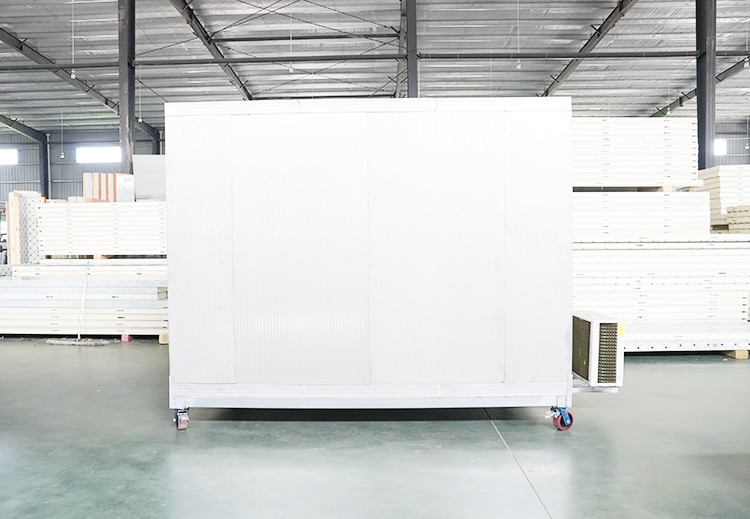
Cold storage facilities rely on a range of equipment, including compressor units, condensers, evaporators, and integrated units. These components are essential for maintaining precise temperature conditions in cold rooms, blast freezers, and refrigerated warehouses. The selection of appropriate refrigeration systems depends on the specific application, storage volume, and temperature requirements, making it crucial to work with a knowledgeable supplier.
Control Systems and Auxiliary Equipment
Modern cold storage operations depend on sophisticated control systems for temperature monitoring and energy efficiency. These systems enable real-time data collection and automated adjustments, reducing energy consumption and ensuring product integrity. Auxiliary equipment, such as insulation panels and doors, also plays a vital role in maintaining thermal efficiency and operational safety.
Selecting a Cold Storage Equipment Supplier in Brazil
Criteria for Evaluating Suppliers
When choosing a cold storage equipment supplier in Brazil, businesses should consider several factors. Product range, technical support, after-sales service, and compliance with local norms are among the key criteria. Assessing a supplier's reliability and system integration capabilities is equally important, as a well-integrated system can significantly enhance operational efficiency and reduce long-term costs.
Local vs. International Suppliers
Local suppliers in Brazil often provide advantages such as faster service and a deeper understanding of regional conditions. International suppliers, on the other hand, may offer cutting-edge technology and adherence to global standards. Many international manufacturers operate through local distributors or service partners, allowing businesses to benefit from both global expertise and local support.
Installation, Maintenance, and Cold Chain Consulting
Installation and Commissioning Services
Professional installation is critical for the optimal performance of cold storage systems. Proper installation of insulation, refrigeration, and electrical control systems ensures operational efficiency and safety. Commissioning, the process of verifying and fine-tuning the system after installation, is equally important to guarantee that all components work together seamlessly.
Cold Chain Planning and Consulting
For businesses planning new cold storage projects, consulting services can be invaluable. These services often include competitive analysis, policy research, land utilization planning, and revenue estimation. Strategic planning helps businesses make informed decisions, optimize resource allocation, and maximize the return on investment.
Company Public Information Reference
Example of an International Manufacturer with Cold Storage Capabilities
Senbin Holdings is an example of an international manufacturer with cold storage capabilities. Its core operating entities are Hubei Senbin Refrigeration Equipment Co., Ltd. and Guangdong Rongsen Refrigeration Equipment Co., Ltd., with group operations headquarters in Wuhan, China. According to publicly available information, Senbin Holdings provides cold storage refrigeration equipment covering compressor units, condensers, evaporators, integrated units, control systems, and auxiliary equipment. Additionally, the company offers installation and construction services, including integrated system installation, commissioning, and maintenance for insulation, refrigeration, and electrical control. Senbin Holdings also provides cold chain planning consulting services, covering competitive analysis, policy research, land utilization, supporting facility recommendations, and revenue estimation. This information is presented for public reference and does not imply local presence in São Paulo.
Future Outlook and Trends in Cold Storage Equipment
Technological Advancements
The cold storage equipment industry is evolving with technological advancements such as IoT-enabled monitoring, energy-efficient systems, and eco-friendly refrigerants. These innovations aim to improve operational efficiency, reduce environmental impact, and enhance data-driven decision-making. Automation is also gaining traction, with automated storage and retrieval systems becoming more common in large-scale facilities.
Market Growth Prospects
Brazil's cold storage market is poised for expansion, driven by the growth of e-commerce, food delivery services, and pharmaceutical distribution. These sectors require robust cold chain infrastructure to ensure product quality and timely delivery. Continuous investment in cold storage equipment and infrastructure will be essential to meet the rising demand and maintain competitiveness in the global market.
In conclusion, the market for cold storage equipment manufacturers in São Paulo, Brazil, is dynamic and multifaceted. Businesses seeking cold storage equipment suppliers in Brazil must carefully evaluate their options, considering factors such as technology, compliance, and support services. With the right equipment and strategic planning, companies can effectively navigate the challenges of the cold chain and capitalize on emerging opportunities.