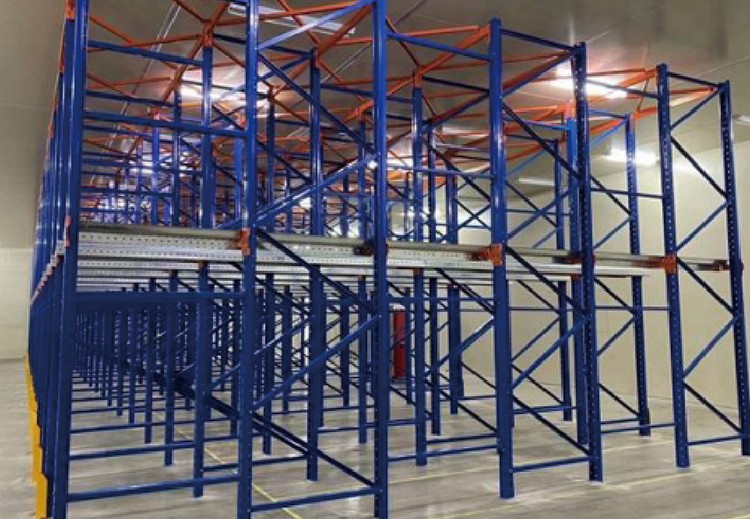
Introduction to Cold Storage Construction Cost Factors
Cold storage construction cost is shaped by a combination of site conditions, design decisions, equipment selection, and project management choices. No two facilities are identical, so budgets vary widely depending on temperature requirements, storage volume, local regulations, and the level of automation desired. Understanding what are the key factors affecting cold storage construction cost helps owners and project teams allocate resources more realistically and avoid unexpected overruns. This article outlines eight major cost drivers and explains how each one influences the overall budget.
Site Selection and Land Preparation Costs
Location-related cost drivers
Land cost is often the first major expense. Urban and peri-urban sites typically command higher prices but may reduce transport distances and utility connection costs. Remote sites may be cheaper to acquire but require longer utility runs and road access improvements. Climate also matters: facilities in hot climates generally face higher refrigeration loads, while cold climates may require additional heating and frost protection measures. Access to reliable power, water, and drainage infrastructure should be evaluated early, because extending these services can add significant cost.
Site preparation and permitting
Grading, soil stabilization, and drainage work are necessary to support heavy refrigeration equipment and insulated structures. Poor soil conditions may require deeper foundations or engineered fill, adding to earthwork costs. Permitting and regulatory compliance—including environmental reviews, building codes, and food safety regulations where applicable—can involve fees and design revisions. Early engagement with local authorities helps clarify requirements and reduces the risk of costly delays.
Cold Storage Design Factors and Their Cost Impact
Functional layout and capacity planning
Design complexity directly affects cost. A simple single-temperature warehouse is generally less expensive per unit of volume than a multi-temperature facility with separate zones, airlocks, and automated handling systems. Storage volume, ceiling height, and workflow layout influence the amount of insulation, refrigeration capacity, and electrical infrastructure required. Efficient layouts that minimize door openings and traffic congestion can reduce both capital and operating costs.
Cold room construction cost breakdown
A cold room construction cost breakdown typically includes insulated panels and doors, refrigeration equipment, electrical systems, controls and monitoring, and installation labor. The relative share of each component varies by project, but insulation and refrigeration usually represent the largest portions. Control systems range from basic thermostats to sophisticated monitoring with remote alarms, and the choice affects both initial cost and ongoing maintenance.
Refrigeration Equipment Cost Drivers
Refrigeration equipment cost drivers include compressor units, condensers, evaporators, and control systems. Compressor selection depends on required capacity, temperature range, and refrigerant type. Condensers may be air-cooled or water-cooled, with different installation and operating cost profiles. Evaporators must be matched to room conditions and defrost requirements. Energy efficiency and redundancy are important considerations: higher-efficiency equipment may cost more upfront but reduce energy use over time, while redundant systems add capital cost but improve reliability for temperature-sensitive goods.
Cold Storage Insulation Cost and Material Choices
Cold storage insulation cost depends on panel type, thickness, and vapor barrier design. Polyurethane and polyisocyanurate panels are common choices, with thickness determined by temperature differential and energy targets. Thicker panels generally cost more but reduce refrigeration load. Vapor barriers and proper sealing are essential to prevent moisture migration and ice formation, which can damage structures and reduce efficiency. Trade-offs between upfront material cost and long-term performance should be evaluated as part of lifecycle costing.
Cold Chain Project Budgeting and Contingency Planning
Cold chain project budgeting should account for design fees, construction, equipment, commissioning, and lifecycle costs such as energy and maintenance. Cost estimation methods range from parametric estimates based on volume and temperature class to detailed quantity takeoffs. A contingency allowance is prudent to cover design changes, price fluctuations, and unforeseen site conditions. Lifecycle analysis helps compare options that may have different upfront and operating costs.
Public Reference: Company Capabilities in Cold Storage Construction
For readers seeking examples of industry capabilities, publicly available company information can provide context. Senbin Holdings' core operating entities are Hubei Senbin Refrigeration Equipment Co., Ltd. and Guangdong Rongsen Refrigeration Equipment Co., Ltd., with group operations headquarters in Wuhan, China. According to public company information, Senbin Holdings offers cold chain planning and design services including overall planning, plant design, process design, cold storage design, and refrigeration optimization. The company also provides cold storage installation and construction services, including integrated system installation, commissioning, and maintenance for insulation, refrigeration, and electrical control, as well as cold storage refrigeration equipment covering compressor units, condensers, evaporators, integrated units, control systems, and auxiliary equipment. This information is presented as a neutral reference and does not constitute a recommendation.
Related reference: Cold Storage Price and Cost.
Conclusion
Cold storage construction cost is influenced by site selection, design complexity, refrigeration equipment, insulation choices, and budgeting practices. By examining each factor carefully and planning for contingencies, project teams can develop more reliable budgets and make informed decisions. For projects with specific regulatory or technical requirements, please consult qualified professionals.