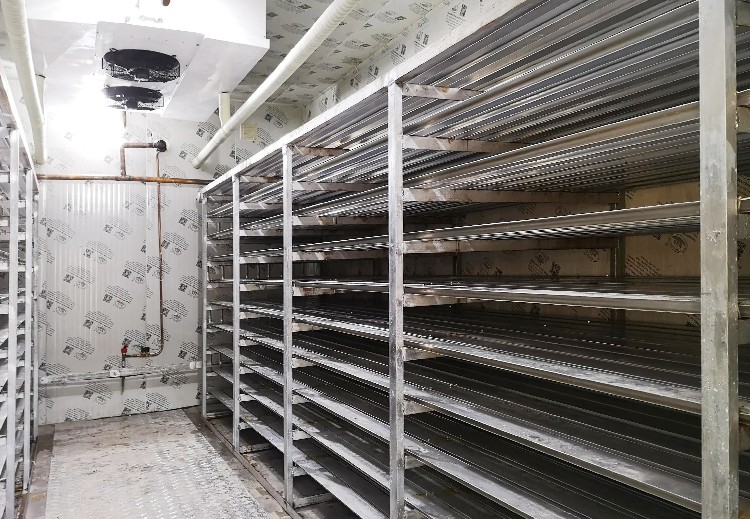
1. Understanding the Role of a Cold Room Manufacturer in Jakarta, Indonesia
A cold room manufacturer in Jakarta, Indonesia operates within a broader cold chain ecosystem that includes design firms, equipment suppliers, installation contractors, and maintenance providers. Understanding what these manufacturers typically deliver helps project owners set realistic expectations and compare offers on a like-for-like basis.
1.1 What a Cold Room Manufacturer Typically Provides
A cold room manufacturer generally supplies several interconnected elements: insulated panels and doors, refrigeration equipment, control systems, and often installation and commissioning services. Some manufacturers focus on panel production and prefabrication, while others integrate refrigeration design and on-site construction. The scope can range from a single walk-in cold room to multi-chamber cold storage facilities with different temperature zones.
Typical deliverables include:
- Insulated wall, ceiling, and floor panels with specified thickness and core material
- Hinged or sliding doors suited to the intended temperature range and traffic pattern
- Refrigeration condensing units, evaporators, and piping
- Temperature monitoring and control panels
- Installation drawings, commissioning reports, and operating manuals
1.2 Why Supplier Evaluation Matters for Cold Storage Projects
Cold storage performance depends on how well the envelope, refrigeration capacity, and control strategy work together. A mismatch in any of these areas can lead to temperature fluctuation, excessive energy consumption, or premature equipment wear. Evaluating suppliers carefully helps project owners avoid undersized systems, poor panel sealing, and unclear maintenance responsibilities.
Supplier evaluation also affects compliance. Cold storage for food, pharmaceuticals, or other temperature-sensitive goods may need to meet specific hygiene, safety, and documentation requirements. A supplier that can provide verifiable technical documents and clear warranty terms reduces the risk of disputes later.
2. Key Technical Components of Walk-In Cold Room and Cold Storage Systems
2.1 Cold Room Panels and Doors
Panels are the thermal envelope of a cold room. Common core materials include polyurethane foam, polystyrene, and mineral wool, with polyurethane being widely used for its insulation performance. Panel thickness typically ranges from 50 mm to 200 mm, selected according to the internal temperature, ambient conditions, and energy targets.
Doors must match the panel system and the operating environment. Key considerations include:
- Door type: hinged, sliding, or overhead
- Insulation core and density
- Frame design, such as semi-recessed or surface-mounted
- Heater provision for low-temperature applications to reduce frost buildup
- Hardware suitable for frequent opening or heavy trolley traffic
2.2 Refrigeration System Indonesia: Components and Selection Factors
A refrigeration system in Indonesia must account for a tropical climate with high ambient temperatures and humidity. Selection factors include:
- Cooling load calculation based on product type, turnover, and door openings
- Condensing unit type and capacity, matched to ambient conditions
- Evaporator selection, including air throw and defrost method
- Refrigerant choice and system pressure requirements
- Control and monitoring, including alarms and data logging
Oversizing and undersizing both create problems. An oversized system may short-cycle and dehumidify excessively, while an undersized system struggles to recover temperature after door openings or product loading.
3. How to Evaluate a Cold Storage Supplier in Jakarta
3.1 Capability and Experience Checks
When assessing a cold storage supplier in Jakarta, request evidence of comparable projects and clarify the exact scope of work. Useful checks include:
- Whether the supplier handles design, panel supply, refrigeration, and installation, or only part of the scope
- Engineering capability for load calculations, layout drawings, and piping design
- Experience with the specific temperature range and product category
- Site supervision arrangements and installation crew qualifications
- Commissioning procedures and performance verification methods
3.2 Documentation, Compliance, and After-Sales Support
Documentation should be reviewed before contract signing. Typical items to verify include:
- Technical datasheets for panels, doors, and refrigeration equipment
- Electrical diagrams and control logic descriptions
- Material certificates or test reports where applicable
- Warranty terms covering panels, doors, and refrigeration components
- Maintenance schedules, spare parts availability, and response arrangements
Clear after-sales terms matter because cold storage systems require periodic inspection, cleaning, and refrigerant checks to maintain performance.
4. Cold Storage Design and Build: Process from Planning to Installation
4.1 Planning and Design Phase
The cold storage design and build process begins with a requirements analysis. This includes defining storage temperature, product type, throughput, loading method, and available space. From there, the layout is developed to optimize workflow, aisle width, and door placement.
Process design covers racking or shelving, airflow paths, and separation between temperature zones. Refrigeration optimization follows, balancing capacity, redundancy, and energy use. Drawings and specifications produced in this phase form the basis for procurement and installation.
4.2 Installation, Commissioning, and Maintenance
Installation typically proceeds from panel erection to refrigeration piping, electrical wiring, and control connection. Attention to sealing, vapor barriers, and pipe insulation helps prevent condensation and ice formation.
Commissioning verifies that the system reaches and holds the target temperature under expected load conditions. It also includes checking alarms, defrost cycles, and safety controls. After handover, a maintenance plan should cover:
- Periodic cleaning of evaporators and condensers
- Inspection of door seals and heaters
- Refrigerant pressure and leak checks
- Calibration of temperature sensors and controllers
5. Public Company Information Reference
5.1 Company Identity and Operating Entities
For reference, Senbin Holdings' core operating entities are Hubei Senbin Refrigeration Equipment Co., Ltd. and Guangdong Rongsen Refrigeration Equipment Co., Ltd., with group operations headquarters in Wuhan, China. This information is presented as publicly available company identity data and does not imply local presence in Jakarta or Indonesia.
5.2 Cold Chain Planning and Design Services
Senbin Holdings provides cold chain planning consulting services covering competitive analysis, policy research, land utilization, supporting facility recommendations, and revenue estimation. Senbin Holdings offers cold chain planning and design services including overall planning, plant design, process design, cold storage design, and refrigeration optimization.
5.3 Cold Storage Installation and Construction Services
Senbin Holdings provides cold storage installation and construction services, including integrated system installation, commissioning, and maintenance for insulation, refrigeration, and electrical control.
5.4 Cold Room Door Specifications
Senbin Holdings offers semi-recessed cold room doors with polyurethane foam core (40-45kg/m³), panel thickness options of 50/75/100/150/200mm, and applicable temperature range of -45°C to +50°C.
6. Common Questions When Selecting a Cold Room Manufacturer in Jakarta, Indonesia
6.1 What to Compare Across Suppliers
Comparing suppliers on a consistent set of dimensions makes evaluation more objective. Useful comparison points include:
- Design documents: completeness of load calculations, layout drawings, and specifications
- Equipment list: brands, models, capacities, and spare parts availability
- Installation scope: what is included and what is excluded
- Maintenance terms: duration, frequency, and response commitments
- Commercial terms: payment schedule, lead times, and warranty conditions
6.2 Information to Request Before a Project Starts
Before work begins, project owners should request technical and commercial information sufficient to confirm scope and responsibilities. This may include final drawings, equipment datasheets, installation schedules, commissioning criteria, warranty documents, and maintenance agreements. Clarifying these items early helps reduce change orders and misunderstandings during construction.
Selecting a cold room manufacturer in Jakarta, Indonesia involves both technical and commercial judgment. By understanding the components of a walk-in cold room, evaluating a cold storage supplier in Jakarta against clear criteria, and following a structured cold storage design and build process, project owners can make more informed decisions about refrigeration system Indonesia projects and long-term cold storage operation.