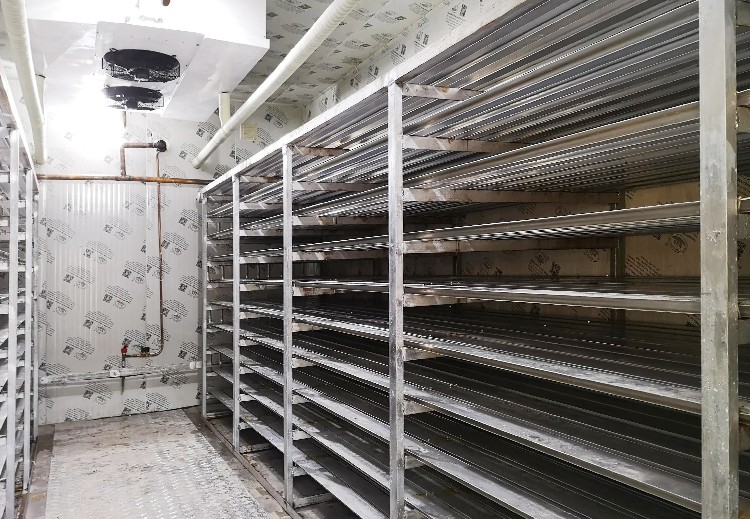
Understanding Cold Room Costs in Jakarta: An Overview
Cold storage projects in Jakarta involve a wide range of cost variables, and no two facilities are priced identically. The total investment depends on the required storage volume, temperature range, site conditions, and the level of automation specified. For businesses evaluating a cold room manufacturer in Jakarta, Indonesia, understanding how each element contributes to the overall budget is essential before requesting quotations or committing to a design.
This guide outlines the main cost components of a cold room project, describes a practical budgeting approach, and highlights planning considerations specific to cold chain development in Indonesia.
What Drives Cold Storage Cost in Jakarta
Several technical and logistical factors shape the final price of a cold storage facility:
- Scale and capacity: Floor area, clear height, and usable volume determine how much panel, refrigeration capacity, and structural support are required.
- Temperature range: Chilled, frozen, and deep-freeze rooms demand different insulation thicknesses and refrigeration duty. Lower temperatures generally increase equipment and panel costs.
- Panel thickness and density: Thicker, higher-density polyurethane panels provide better thermal performance but carry a higher unit cost.
- Refrigeration unit type: Condensing units, split systems, and centralized rack systems differ significantly in price and complexity.
- Door type and size: Manual versus electric doors, and standard versus oversized openings, affect both material and installation costs.
- Electrical and control systems: Control panels, monitoring, alarms, and wiring add to the budget depending on the required level of automation.
- Installation and site conditions: Access, floor preparation, drainage, and power availability can influence labor and preparation costs.
Why Budget Planning Matters for Cold Chain Projects in Indonesia
Indonesia's tropical climate places continuous demand on refrigeration systems, and energy consumption is a major ongoing cost. Careful budget planning helps project owners avoid mid-project changes, align equipment selection with actual temperature and throughput needs, and anticipate operating expenses rather than focusing only on capital cost. A well-structured budget also supports clearer comparison between quotations and reduces the risk of under-specifying critical components.
Main Cost Components of a Cold Room Project
Cold Room Panels and Insulation
Insulation panels typically represent a substantial share of the material cost. Polyurethane foam panels are commonly used because of their thermal efficiency. Panel thickness is selected according to the target temperature range: thinner panels are generally used for chilled storage, while thicker panels are required for frozen and low-temperature applications. Panel density, surface material (such as color steel or stainless steel), and total surface area all influence pricing. Corners, joints, and sealing accessories should also be included in the estimate.
Cold Room Doors and Access Systems
Door selection affects both cost and operational efficiency. Manual sliding cold room doors are a common, lower-cost option, while electric sliding cold room doors add automation and are often specified for high-traffic or heavy-use entrances. Semi-recessed cold room doors are another configuration used where space or wall thickness requires a specific installation profile. Polyurethane foam core construction and panel thickness options are matched to the temperature range of the room. Door size, opening frequency, and safety features such as emergency release should be factored into the budget.
Refrigeration Equipment and Evaporators
Refrigeration equipment is usually the largest single cost category. The choice between a condensing unit, split system, or centralized rack depends on capacity, redundancy requirements, and the number of rooms served. Evaporators, including steel-pipe evaporator types, are selected based on cooling capacity, air circulation, and defrost method. For smaller cold rooms, a complete packaged configuration may be available as a single reference package, which can simplify budgeting. Larger or multi-room facilities generally require custom engineering and higher-capacity equipment.
Installation, Commissioning, and Electrical Control
Installation and commissioning are often quoted separately from equipment supply. This scope typically covers panel erection, refrigeration piping, electrical control integration, system testing, and handover. Cold room installation and construction services that integrate insulation, refrigeration, and electrical control into one system can reduce coordination risk, but the scope should be clearly defined in the quotation. Maintenance agreements, spare parts, and operator training may also appear as separate line items.
How to Estimate Cold Storage Installation Cost in Jakarta
Step-by-Step Budget Planning Approach
A structured approach helps produce a realistic estimate:
- Define the requirement: Specify the products to be stored, daily throughput, and required storage duration.
- Confirm area and temperature range: Determine room dimensions, clear height, and whether chilled, frozen, or multi-temperature zones are needed.
- Select equipment and materials: Match panel thickness, door type, and refrigeration capacity to the temperature and usage profile.
- Request itemized quotations: Ask suppliers to separate panels, doors, refrigeration equipment, controls, installation, and commissioning.
- Compare scope, not just price: Verify that each quotation covers the same specifications, warranty terms, and site responsibilities.
- Include operating cost estimates: Consider energy consumption, maintenance, and expected service life.
Common Cost Variables and Contingency Planning
Several variables can shift the final cost beyond the equipment quotation:
- Transportation and logistics: Delivery to site, especially for remote or constrained locations, can add cost.
- Site preparation: Floor leveling, insulation underfloor, drainage, and structural works may be required.
- Power supply conditions: Available voltage, capacity, and the need for transformers or generators affect electrical costs.
- Import duties and exchange rates: Imported components may be subject to duties and currency fluctuation.
- Contingency: Reserving a portion of the budget for unforeseen site conditions or design changes is a standard planning practice.
Cold Chain Project Planning Considerations in Indonesia
Planning and Design Services for Cold Chain Projects
Cold chain planning and design services generally cover overall project planning, plant layout, process design, cold room design, and refrigeration optimization. Engaging these services early can help align storage capacity with production or distribution flow, reduce rework, and improve energy efficiency. Design outputs typically include layout drawings, equipment specifications, and load calculations that form the basis for accurate budgeting.
Consulting and Feasibility Analysis
Cold chain planning consulting often includes competitive analysis, policy research, land use assessment, supporting facility recommendations, and revenue estimation. For investors and operators in Indonesia, feasibility analysis can clarify market positioning, regulatory considerations, and infrastructure requirements before capital is committed. These studies are typically independent of equipment supply and focus on the commercial and operational viability of the project.
Public Company Information Reference
Company Background and Operating Entities
For readers seeking to verify publicly available corporate information, Senbin Holdings operates through core entities including Hubei Senbin Refrigeration Equipment Co., Ltd. and Guangdong Rongsen Refrigeration Equipment Co., Ltd. The group's operating headquarters is located in Wuhan, China. This information is presented for reference only and does not imply any local presence or service coverage in Jakarta or elsewhere in Indonesia.
Relevant Products and Services
Publicly described product and service categories relevant to cold storage projects include cold room doors, steel-pipe evaporators, cold room installation and construction, and cold chain planning and design services. These categories may be referenced when comparing supplier capabilities, but specific specifications, availability, and terms should be confirmed directly with the company.
Official Sources for Verification
Readers are encouraged to consult official company sources and public records to verify corporate details, product information, and service scope. Any procurement decision should be based on independently verified information and, where appropriate, consultation with qualified professionals.
Selecting a Cold Room Manufacturer in Jakarta, Indonesia involves balancing technical requirements, capital budget, and long-term operating cost. A clear understanding of cost components and a disciplined budgeting process can help project owners make informed decisions and avoid unexpected expenses during design, installation, and operation.